
Unpermitted Grading on Your Property: What the Legalization Process Looks Like
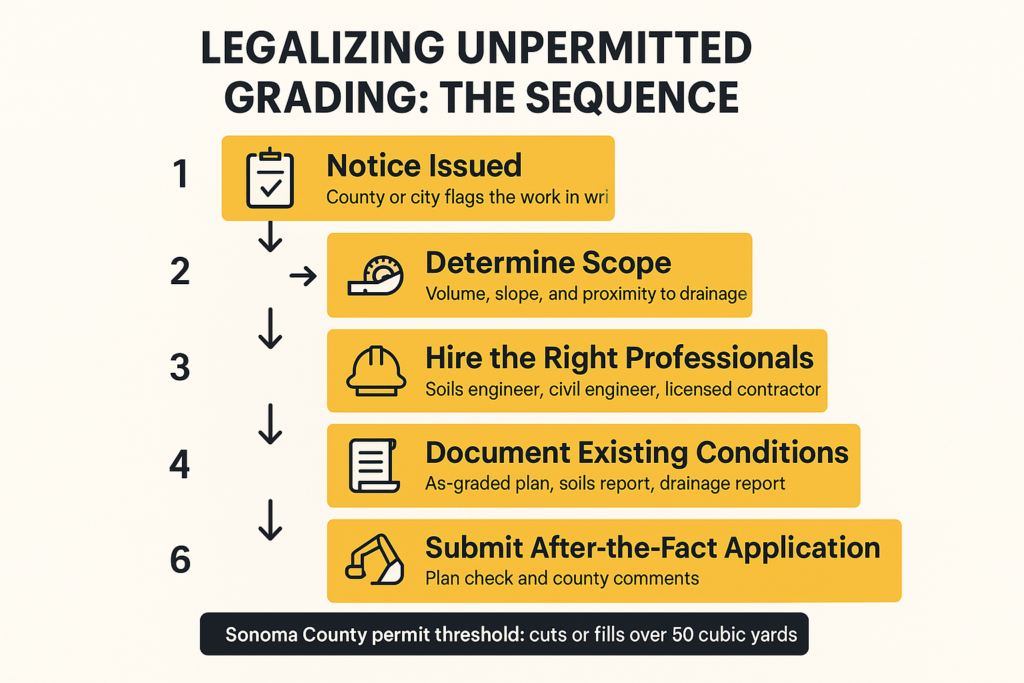
Direct Answer: Legalizing unpermitted grading starts with an after-the-fact permit application. You document existing conditions with an as-graded plan, add a soils report if the work sits on a slope, and correct anything that fails review. You bought a house with a nice flat backyard on a sloped lot. Years later, a city or county […]
SB 9 Lot Splits and the Site Work No One Talks About
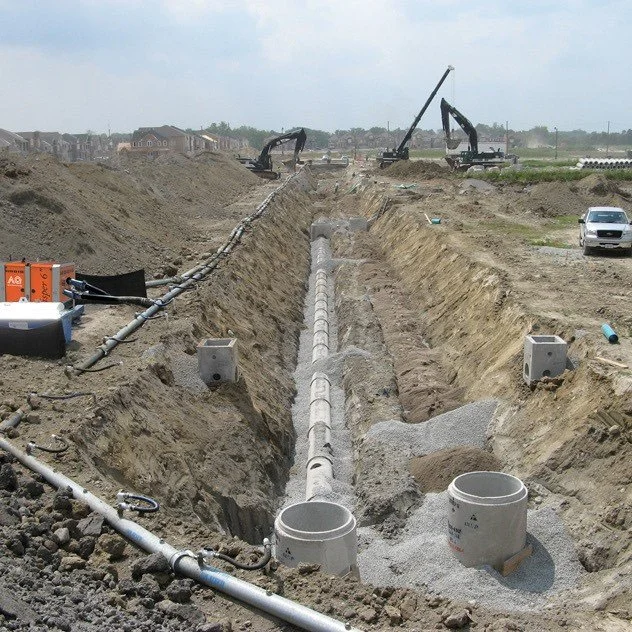
Direct Answer: An SB 9 lot split does not make the new parcel buildable. Most need regrading for drainage, a legal access route, and separate water, sewer, and electrical trenching first. Most people come to SB 9 through the planning side. They read that they can split their lot, they talk to a planner or […]
Pond and Lake Dredging: How Scope Gets Determined Before Any Equipment Arrives
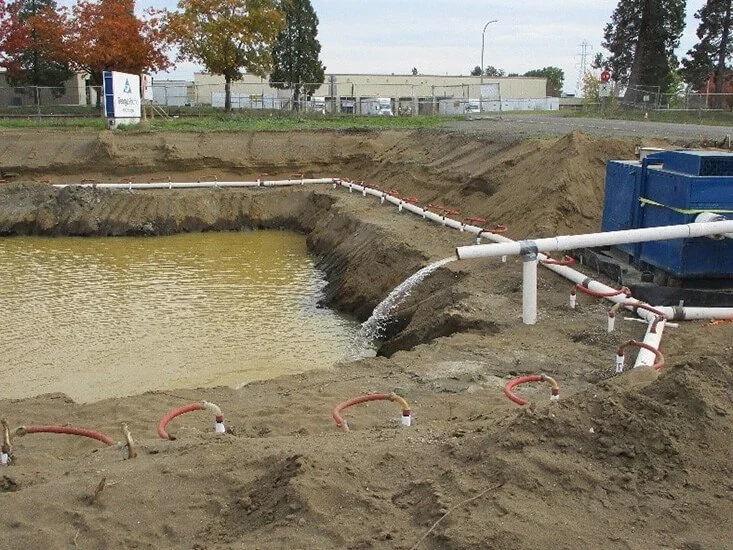
Direct Answer: Dredging scope comes down to basin size and depth, sediment type, water table, equipment access, and where the material goes. All of that gets assessed before a machine ever touches the bed. Almost nobody calls about a pond cleanout twice in their lifetime. So when a property owner asks what dredging a basin […]
Sonoma County Drainage Permits: What Triggers One and What the Process Looks Like
Direct Answer: Sonoma County requires a drainage permit before any drainage improvement or related work starts, including site clearing and soil disturbance. Each site needs its own permit, and new drainage features require a drainage report. A homeowner reached out to me after a county reviewer flagged yard work that had been done years earlier. […]
Super El Niño Winter: The Site Work That Has to Happen Before October 15
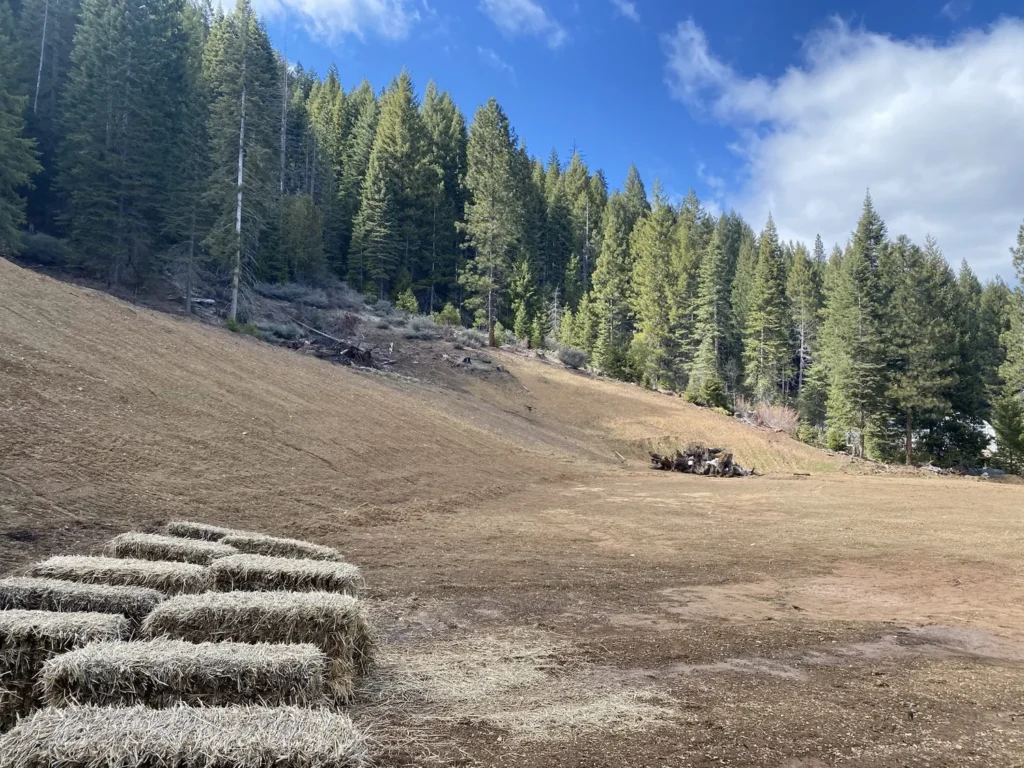
Direct Answer: Grading and drainage work in Monterey County generally has to be permitted, built, and protected before October 15, because county rules restrict earthwork until April 15 once the wet season starts. Every August I start getting the same call from Monterey County property owners. Water sat somewhere it shouldn’t have last winter, and […]
Inches of Slope Decide Whether a New Sewer Line Lasts
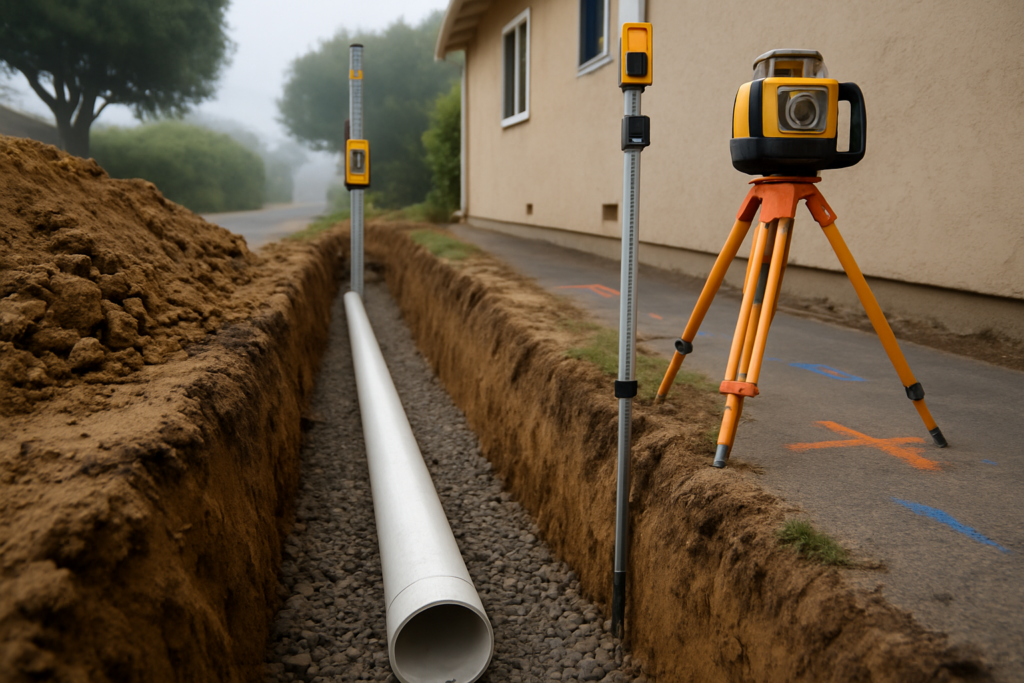
Direct Answer: A sewer lateral needs a narrow band of fall, commonly around a quarter inch per foot. Too flat and solids settle. Too steep and liquid outruns solids, leaving buildup behind. Most people assume a sewer line fails because it was too flat. Water pools, solids settle, and years later the line backs up […]
Two Driveways, Same Asphalt, One Fails in Three Years
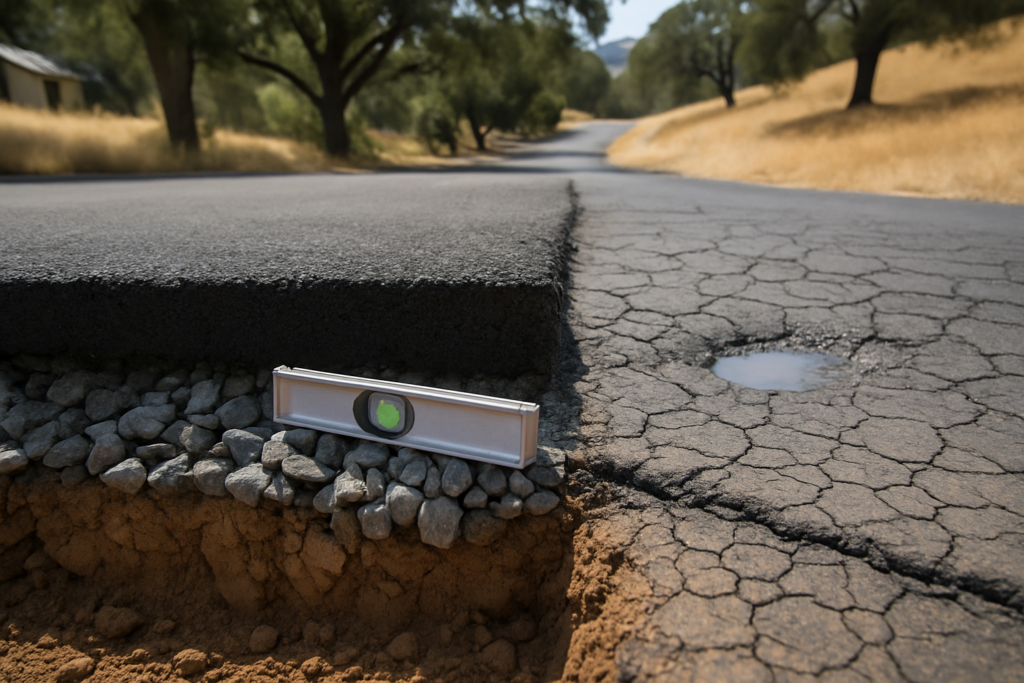
Direct Answer: The asphalt is rarely the problem. Driveways fail early because the subgrade under them was graded wrong, under-built on base rock, or never properly compacted, and because water had nowhere to go. I have walked two driveways in the same week that were paved with the same mix, by the same crew, in […]
Why Does Your Sonoma County Yard Flood Every Time It Rains Hard?
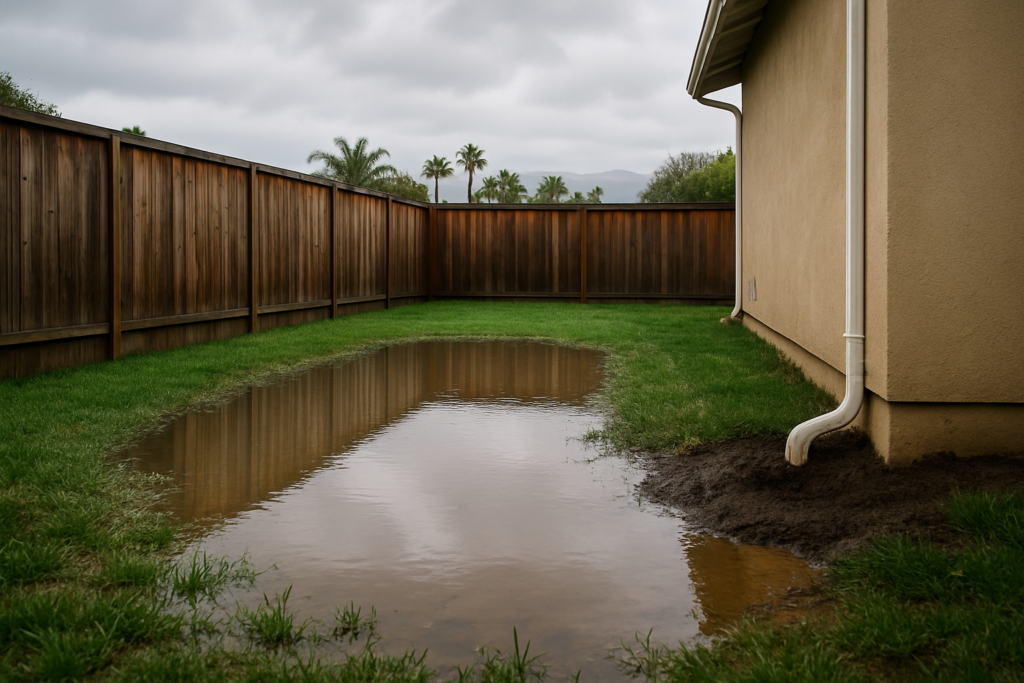
Direct Answer: Most Sonoma County yards flood because heavy clay soil drains slowly. Rain has nowhere to go, so it pools in low spots and runs toward the foundation instead of soaking in. You watch the rain come down, and within an hour the same corner of your yard turns into a pond. Two days […]
What the 2023 Pajaro Flood Taught Monterey County About Storm Readiness
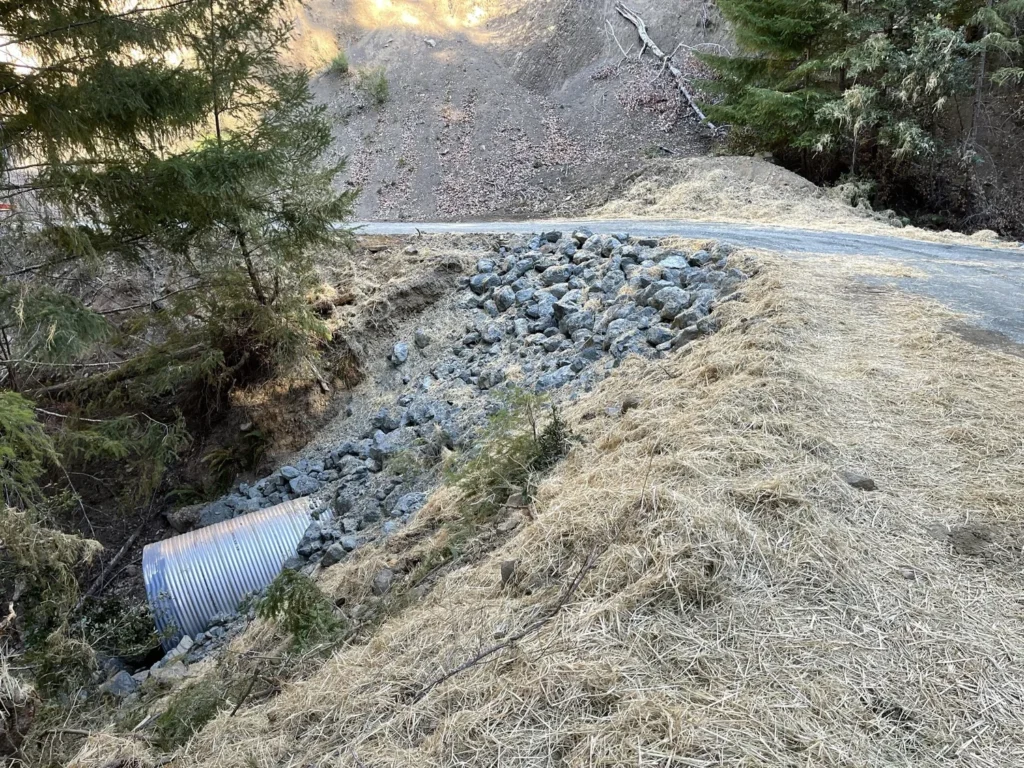
Direct Answer: The Pajaro flood showed that low-lying Monterey County land fills faster than it drains. Storm readiness here means checking runoff paths, slopes, and access roads before the rain, not after. In March 2023, the levee along the Pajaro River gave way and the town of Pajaro went under. People were evacuated in the […]
The Reasons Site Plans Get Sent Back in Monterey County
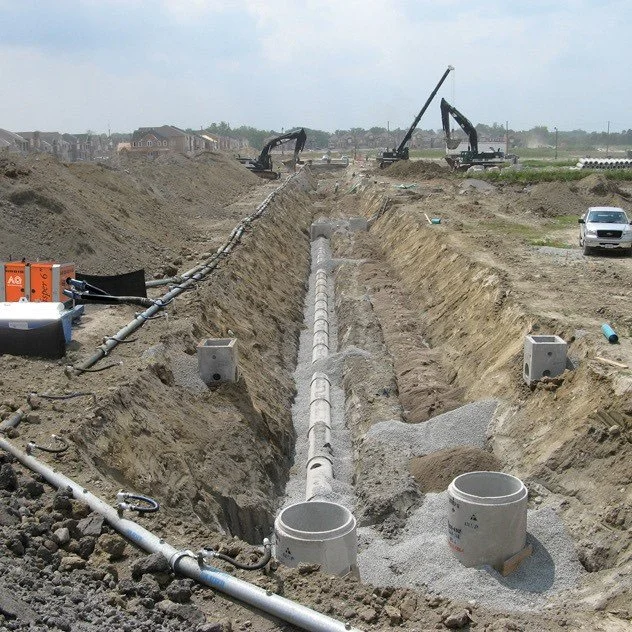
Direct Answer: Most Monterey County site plans get sent back for drainage that does not reach a proper discharge point, earthwork quantities that quietly cross the 100 cubic yard grading permit threshold, and utility, access, or setback conflicts. You turned in a site plan, waited, and it came back with red marks and a list […]