Eco Remediation Services
Wetlands restoration, waterways rehabilitation, and environmental site recovery across Sonoma County, Monterey County, and the California Central Coast. DW Excavation works in compliance with California Department of Fish and Wildlife, Army Corps of Engineers, and county standards to restore natural habitats and protect sensitive ecosystems.
Homepage Short Form
Environmental Remediation & Habitat Restoration
Eco remediation is excavation work done in one of the most regulated, ecologically sensitive contexts that exists in California. Wetlands, riparian corridors, and coastal waterways require a fundamentally different approach than standard earthwork — one that understands biological sensitivity, regulatory compliance, and restoration ecology well enough to work in these environments without causing secondary damage.
DW Excavation has performed eco remediation and environmental site restoration work across the California Central Coast since 2013. We work closely with the California Department of Fish and Wildlife (CDFW), the U.S. Army Corps of Engineers, and local county agencies to obtain the necessary permits, conduct work within permit conditions, and document restoration outcomes. Whether a project originates from a regulatory obligation, a private land restoration goal, or a public agency partnership, our approach is the same: assess the site accurately, design the work to achieve measurable ecological outcomes, and execute with minimal disturbance to adjacent undisturbed areas.
Wetlands Restoration & Enhancement
- Degraded Wetland Rehabilitation — Reversing the effects of past drainage, filling, or alteration to restore wetland hydrology, soil characteristics, and vegetation communities to functional condition.
- Seasonal Wetland Restoration — Re-establishing the hydrologic conditions that support vernal pools and seasonal wetland habitats, including grading to appropriate topographic positions and removal of fill material.
- Wetland Creation and Mitigation — Construction of new wetland features to offset permitted impacts elsewhere, designed and installed to meet CDFW and Corps mitigation requirements with performance standards and monitoring protocols.
- Invasive Species Removal — Mechanical removal of invasive upland and aquatic plants — including arundo, tamarisk, and Himalayan blackberry — to restore native plant communities. Coordinated with revegetation planning to prevent reinvasion.
- Native Planting and Revegetation — Installation of native riparian, wetland, and upland plant species appropriate to the site's ecological context. Sourcing from local ecotypes where mitigation permit conditions require provenance documentation.
Waterways Rehabilitation
- Stream Channel Restoration — Re-establishing natural channel geometry, gradient, and sinuosity in altered or incised waterways. Work conducted within Streambed Alteration Agreement (1600 permit) requirements to maintain channel form and sediment transport function.
- Bank Stabilization & Erosion Repair — Stabilizing actively eroding streambanks using bioengineering techniques — live stakes, brush layering, log tow placement — integrated with rock armouring where hydraulic conditions require.
- Fish Passage Improvements — Removing or modifying barriers to fish passage including culvert replacements, grade control structures, and debris jams. Coordination with CDFW and National Marine Fisheries Service (NMFS) where salmonid habitat is present.
- Sediment and Debris Removal — Clearing accumulated sediment, debris, and blockages from channels under appropriate regulatory authorization to restore flow capacity and reduce upstream flood risk.
- Riparian Buffer Establishment — Grading and planting riparian corridors to filter runoff, stabilize banks, shade channel water temperature, and provide wildlife habitat connectivity between fragmented areas.
Sensitive Work Area & In-Water Management
- Turbidity and Erosion Controls — Installation and maintenance of silt fencing, fiber rolls, turbidity curtains, and pump-around systems to isolate work areas and protect downstream water quality during in-water or near-water construction.
- Biological Monitoring Coordination — Coordinating site work with biological monitors as required by CDFW, Corps, or project conditions. Timing work windows to avoid sensitive species breeding and migration periods.
- Dewatering and Pump-Around Systems — Isolating work areas in active waterways using sandbag cofferdams, sheet piling, or pump-around configurations to allow excavation in dry conditions without dewatering the channel downstream.
- Post-Construction Monitoring Support — Supporting environmental monitoring efforts through site access, photographic documentation, and maintenance activities required during post-construction monitoring periods mandated by permits.
Agency Coordination & Regulatory Compliance
Most eco remediation and waterway work in California requires permits from one or more agencies — typically a CDFW Streambed Alteration Agreement (SAA), Army Corps Section 404 nationwide or individual permit, and/or Regional Water Quality Control Board Section 401 certification. For Sonoma County projects, the Permit Sonoma Engineering and Water Resources division also has oversight over grading and stormwater in sensitive areas. Monterey County's Development Services division administers similar grading and environmental review requirements.
DW Excavation has navigated these processes across the California Central Coast. We work alongside environmental consultants and project biologists, provide contractor input during permit application preparation, and maintain compliance documentation throughout construction. For CA LIC #1060838 contractors operating in regulated environments, that procedural fluency is as important as field capability.
Eco Remediation Across Sonoma County, Monterey County & the California Central Coast
The California Central Coast presents a concentration of ecologically sensitive environments found nowhere else in the state. Sonoma County's wine country creeks and coastal wetlands, Monterey County's riparian corridors and farmland drainage channels, and the broader Central Coast's network of coastal streams and estuary systems are all subject to intense regulatory oversight and ongoing degradation from agricultural runoff, development encroachment, drought, and flood cycles.
DW Excavation has been working in and around these environments since 2013. We understand the seasonal work windows, the agency permit requirements, and the ecological sensitivities that govern what can be done, when, and how. We also know that successful eco remediation requires more than technical capability — it requires coordination with project biologists, agency reviewers, landowners, and in some cases adjacent property holders who are affected by upstream or downstream work.
Sonoma County
Sonoma County contains numerous regulated waterways, vernal pool complexes, and riparian corridors — particularly in the Santa Rosa Plain, along Laguna de Santa Rosa, and in the Russian River watershed. DW Excavation is based in Windsor and has direct familiarity with Permit Sonoma engineering requirements, the Water Resources division's grading and stormwater standards, and the ecological conditions governing work in this system. The county's wildfire history also generates post-fire erosion and debris flow remediation demand in watershed tributaries.
Sonoma County Projects →Monterey County & Central Coast
Monterey County's Salinas River system, coastal lagoons, and agricultural drainage channels are subject to complex regulatory frameworks involving CDFW, the Regional Water Quality Control Board, and Monterey County Development Services. Pajaro Valley flooding and Carmel River management have both driven significant environmental restoration demand in recent years. DW Excavation's work in Monterey County includes coordination with county agencies and environmental consultants on projects ranging from bank stabilization to agricultural drainage remediation. We also serve Santa Cruz, San Benito, and Santa Clara counties.
Monterey County Projects →Eco Remediation in the Field
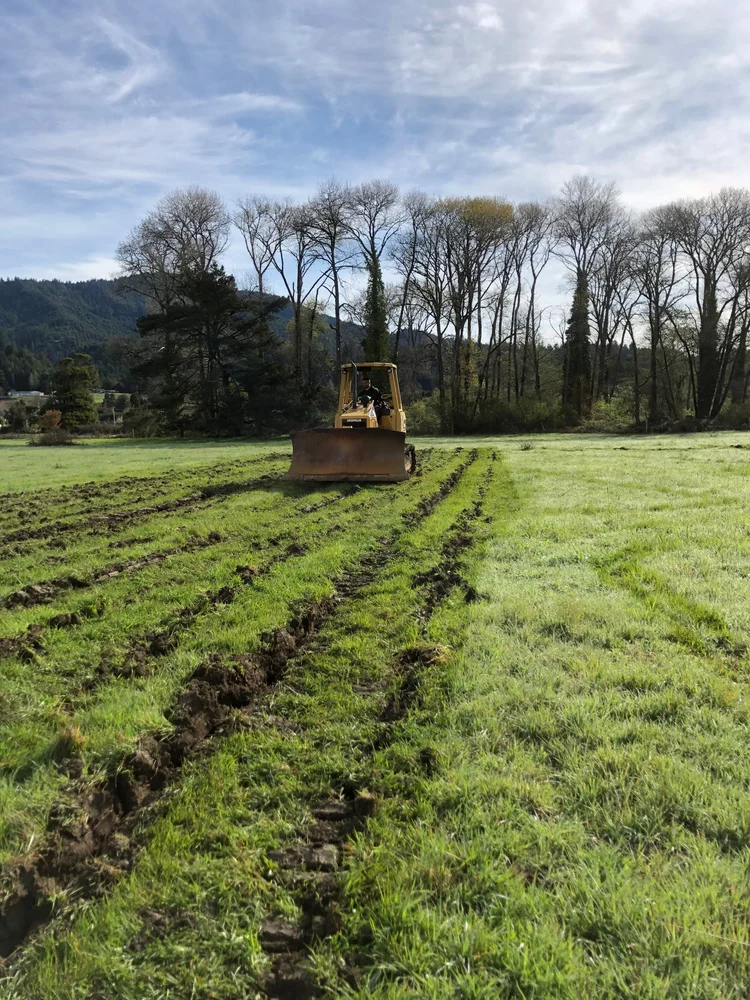
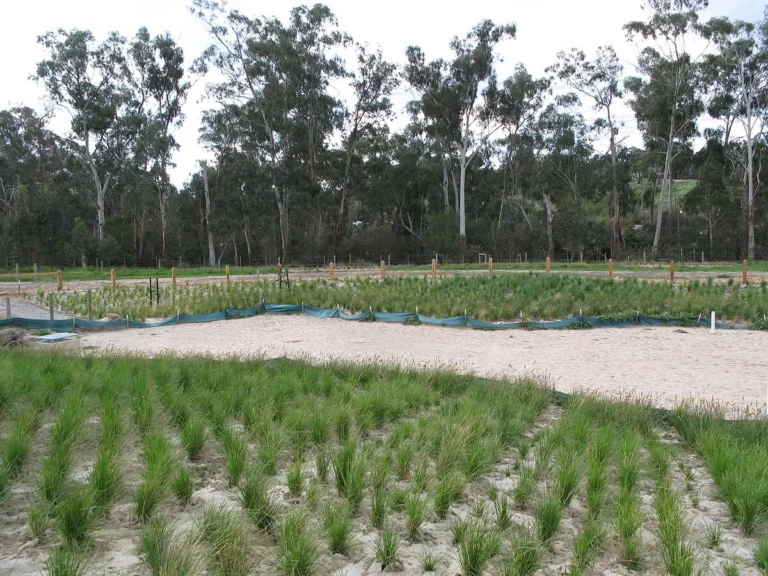
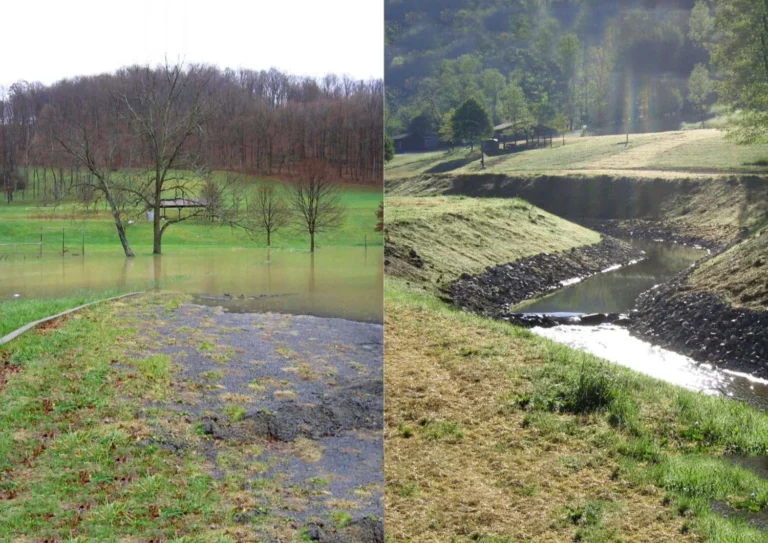
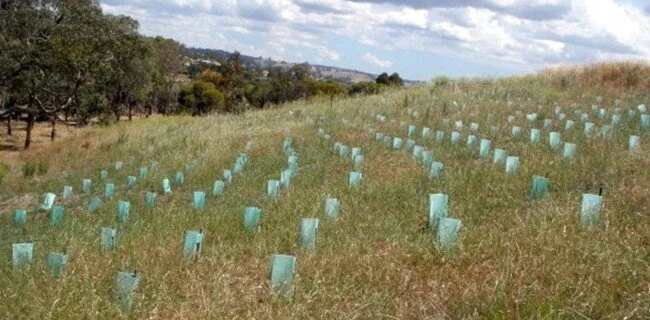
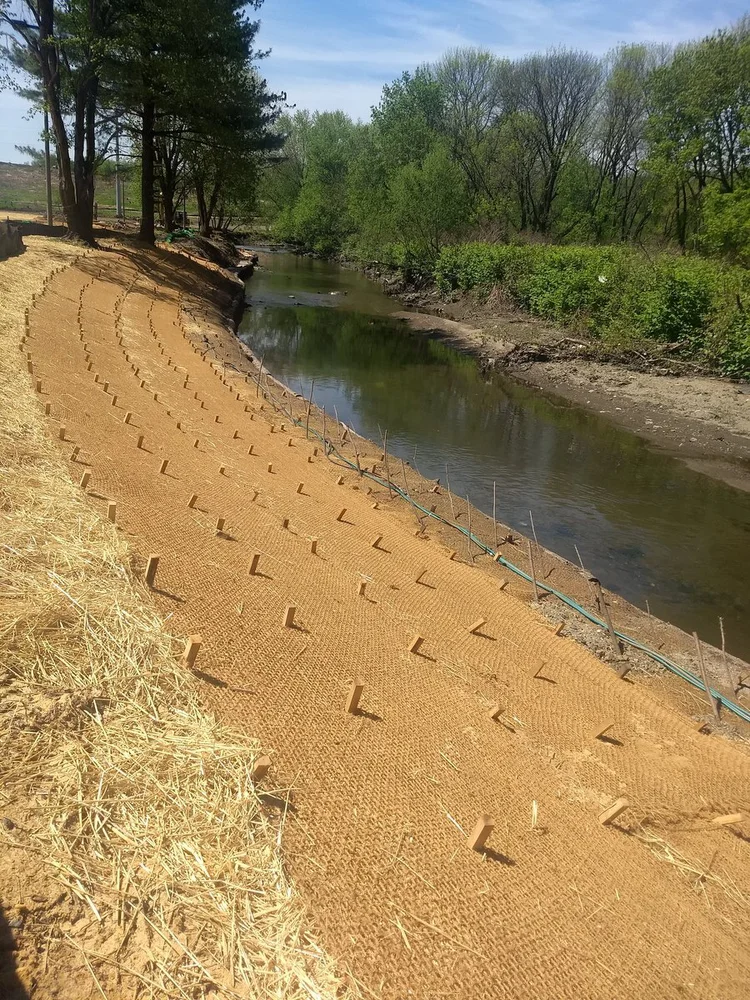
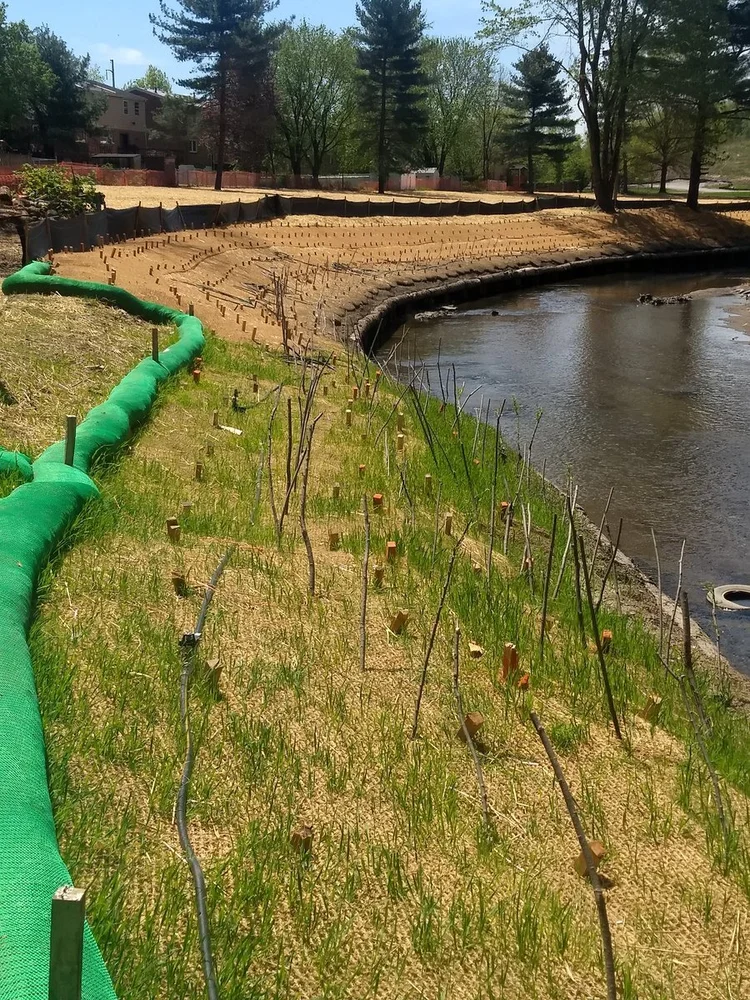
Wetlands restoration, waterways rehabilitation, and environmental site recovery across Sonoma County, Monterey County, and the California Central Coast.
Frequently Asked Questions
Common questions about eco remediation, environmental site restoration, and working with DW Excavation on sensitive and regulated projects across Sonoma County, Monterey County, and the California Central Coast.
☎ 707-601-9091What is eco remediation and how is it different from regular excavation?+
Eco remediation is excavation and site restoration work performed in or adjacent to ecologically sensitive environments — wetlands, riparian corridors, waterways, and coastal areas. The key difference from standard excavation is the regulatory framework and the ecological goals. Regular excavation is about moving material to prepare a site for construction. Eco remediation is about restoring natural function: re-establishing hydrology, removing invasive species, stabilizing streambanks, or rehabilitating habitat that has been degraded. The work is typically conducted under permits from CDFW, the Army Corps of Engineers, and/or the Regional Water Quality Control Board, with specific conditions governing timing, methods, and post-construction monitoring.
Do I need permits to do restoration work in or near a creek or wetland?+
Almost certainly yes. In California, any work that disturbs the bed, bank, or channel of a river, stream, or lake typically requires a Streambed Alteration Agreement (SAA) from the California Department of Fish and Wildlife under Fish and Game Code Section 1602. Work in waters of the U.S. — including most wetlands — may also require Army Corps of Engineers authorization under Section 404 of the Clean Water Act, and a Section 401 Water Quality Certification from the Regional Water Quality Control Board. The specific permits required depend on the scope of work, the waterway type, and the regulatory jurisdiction. DW Excavation works alongside environmental consultants and project biologists who navigate this process — we bring the field capability and can provide input to the permit application, but we strongly recommend engaging qualified environmental professionals early on any sensitive site.
What does a Streambed Alteration Agreement (SAA) actually cover?+
A CDFW Streambed Alteration Agreement authorizes specific work activities within the defined channel and adjacent riparian areas of rivers, streams, and lakes. The agreement specifies what work is permitted, the timing of that work (often restricted to dry-season windows to protect fish and wildlife), the methods that must be used, erosion and sediment controls that must be in place, and any restoration or mitigation requirements afterward. Non-compliance with SAA conditions can result in stop-work orders, restoration requirements, and enforcement actions. DW Excavation has experience working within SAA conditions and can provide the contractor-side documentation and compliance that agencies and project owners expect.
When can in-water work be performed in California?+
Work windows for in-water and riparian work in California are typically restricted to protect fish and wildlife during sensitive life stages. For most Central Coast streams with salmonid populations, in-channel work is generally limited to the low-flow period from approximately June 1 through October 31, though the specific window depends on the watercourse, species present, and regulatory determinations. Projects with rare plant or wildlife concerns may have additional seasonal restrictions. DW Excavation plans project schedules around these windows and coordinates with project biologists to confirm the applicable timing conditions before work begins.
What types of wetlands restoration work can DW Excavation perform?+
Our wetlands restoration work includes restoring degraded wetland hydrology through regrading and plug installation, removing fill material placed in jurisdictional wetlands, establishing native vegetation communities, removing invasive species, and constructing created or enhanced wetland features for mitigation purposes. We also perform related upland buffer work including grading for stormwater infiltration, installation of bioretention features, and riparian revegetation. For mitigation projects that require post-construction performance monitoring, we can support the maintenance and monitoring period through vegetation management and site maintenance activities.
Can DW Excavation help with fish passage restoration?+
Yes. Fish passage projects typically involve removing or modifying barriers — undersized culverts, perched culverts, low-head dams, or grade control structures — that prevent or impede fish movement through a stream system. This work often requires coordination with CDFW, National Marine Fisheries Service (for salmonids), and the Army Corps of Engineers, and must be designed by a qualified engineer or hydrologist. DW Excavation provides the construction capability: culvert removal and replacement, channel grading, bank stabilization, and riparian revegetation work that follows the engineered design. We work as part of a project team rather than as a standalone design-build contractor for these projects.
What is the process for starting an eco remediation project with DW Excavation?+
The process starts with a site consultation. We'll visit the property to understand existing conditions, the scope of work being considered, and any agency correspondence or permits already in place. If permits haven't been initiated, we can connect you with qualified environmental consultants who handle the biological assessment and permit application process. Once permits are in place and the project scope is defined, we provide a construction estimate and schedule the work around the applicable seasonal windows. For projects already in the permit process, we're happy to review draft permit conditions and provide contractor input on feasibility and construction methods.
Does DW Excavation work with municipalities and public agencies on remediation projects?+
Yes. Public agency and municipal projects are a significant part of our eco remediation work — drainage channel maintenance, creek bank stabilization, riparian corridor restoration, and flood recovery projects coordinated with Sonoma County, Monterey County, and various city and special district agencies across the California Central Coast. These projects often have additional documentation and compliance requirements compared to private projects, and we have experience meeting those standards. We're also familiar with state and federal grant-funded restoration projects that come with specific reporting and documentation obligations.
What are the ecological benefits of wetlands and waterway restoration?What are the ecological benefits of wetlands and waterway restoration?+
Restored wetlands and waterways provide a range of benefits that extend well beyond the project site. Healthy wetlands filter agricultural and urban runoff before it reaches coastal waters, store floodwater during storm events, recharge groundwater, and provide habitat for birds, fish, amphibians, and invertebrates. Restored riparian corridors moderate stream temperature through shading (critical for cold-water fish like steelhead), stabilize banks to reduce erosion, and create wildlife movement corridors between habitat patches. On the California Central Coast — where the Russian River, Salinas River, and coastal lagoon systems are under significant pressure — these ecological functions are directly connected to fisheries productivity, water supply reliability, and community resilience to floods and droughts.
How long does an eco remediation project typically take?+
Project timelines vary considerably depending on scope, permit complexity, and seasonal work windows. A straightforward bank stabilization or invasive species removal project with existing permits might be completed in a few days. A larger wetland restoration or stream channel rehabilitation project could take several weeks of active construction, with the permit process adding months before work can begin. Post-construction monitoring requirements — typically one to five years for mitigation projects — extend the overall project lifecycle further. We can give you a realistic timeline estimate once we understand the scope and current permit status. If you're starting from scratch without permits, plan for six to eighteen months between initial agency consultation and construction completion for most regulated waterway projects.
Can eco remediation work happen on private property, or is it only for public land?+
Eco remediation work is performed on private property all the time — landowners with creeks, wetlands, or drainage channels on their land often have ongoing maintenance obligations or restoration opportunities. In fact, many of California's regulatory programs provide incentives for private landowners to voluntarily restore wetland and riparian habitats, including cost-share programs through resource conservation districts and watershed partnerships. The regulatory requirements apply based on the ecological and jurisdictional status of the area — not on ownership. Private property does not exempt work in regulated waterways or wetlands from permit requirements. DW Excavation works on both private and public land, and helps landowners understand their options and obligations before any work begins.
Ready to Restore Your Site?
DW Excavation provides eco remediation and environmental site restoration services across Sonoma County, Monterey County, and the California Central Coast. Licensed since 2013. Experienced in regulated waterway and wetland work. Call or submit a request and we'll get back to you to discuss your project.
Sources
- California Department of Fish and Wildlife — Streambed Alteration Program, Fish and Game Code Section 1602 (CDFW, 2024)
- U.S. Army Corps of Engineers — Clean Water Act Section 404 Regulatory Program (USACE, 2024)
- California State Water Resources Control Board — Section 401 Water Quality Certification Program (SWRCB, 2024)
- National Oceanic and Atmospheric Administration — California Coastal Salmonid Habitat Restoration Guidance (NOAA, 2023)
- California Stormwater Quality Association — Riparian Restoration BMP Handbook (CASQA, 2023)
- Stanford University — Clusters of Atmospheric Rivers Amplify California Storm Damages (Stanford, 2024)