Sonoma County to Monterey County · CA LIC #1060838
Underground
Utility Services
Water, sewer, electrical, gas, and telecommunications line installation and repair across the California Central Coast — permitted, coordinated, and done to spec since 2013.
Start Your Project
Homepage Short Form
DW Excavation provides underground utility services throughout the California Central Coast — including water and sewer line installation and repair, electrical and gas line trenching, telecommunications conduit, and utility upgrades for residential and commercial properties. All work is coordinated with local agencies and performed in compliance with California code. Licensed contractor CA LIC #1060838, serving the region since 2013.
Underground Utility Installation & Repair Across the California Central Coast
Every building project has utilities that need to go underground — water supply, sewer, electrical, gas, and communications. Getting those utilities in correctly the first time requires more than just digging a trench. It requires understanding the depth and separation requirements for different utility types, knowing how to coordinate with the utility companies and public agencies involved, and doing the excavation and backfill work in a way that protects the lines and doesn't create problems down the road.
DW Excavation has been doing underground utility work on the California Central Coast since 2013. We handle the excavation, trenching, and site restoration side of utility projects — working with property owners, developers, and general contractors who need a licensed excavation contractor to handle the ground work. We're familiar with the permitting processes in both Sonoma and Monterey Counties, understand what 811 call requirements apply before any underground work begins, and know how to coordinate a utility project from trench to inspection.
Underground utility work goes wrong when the trenching is too shallow, the bedding material is wrong, the backfill isn't properly compacted, or the utilities aren't installed with adequate separation. All of those are excavation problems, not just installation problems. We take the prep work seriously because it determines whether the finished utility system performs the way it's supposed to for the next 30 years.
Underground Utility Services We Provide
- Water Line Installation & Repair — New service connections, main line replacements, and private water line work for residential and commercial properties
- Sewer Line Installation & Repair — New sewer laterals, main line replacements, and connections to municipal systems or septic infrastructure
- Electrical Conduit Trenching — Trenching and conduit installation for underground electrical service, subpanel feeds, and site lighting
- Gas Line Trenching — Excavation and backfill for underground gas line installation and relocation projects
- Telecommunications Conduit — Underground conduit for fiber optic, cable, and telecommunications infrastructure
- Utility Trenching for New Construction — Complete utility trench packages for new residential and commercial construction projects
- Utility Upgrades & Relocations — Relocating or upsizing existing underground utilities for building additions, land development, and infrastructure improvements
- Utility Repair Excavation — Expose and access failed underground utilities for repair or replacement, with minimal disruption and proper restoration
Coordination and Permitting
Underground utility projects involve multiple parties — the property owner, the utility companies, the local building department, and sometimes public works agencies. Before any trench opens, California law requires contacting 811 to have existing underground utilities marked. Permitted utility work requires inspections at specific stages before backfill is allowed. We manage the excavation side of these requirements and communicate clearly with all parties involved so projects don't stall at the permit or inspection stage.
We've done enough utility work in both Sonoma and Monterey Counties to know what each jurisdiction's inspectors look for, what the typical permitting timelines are, and how to keep a project moving without cutting corners on the compliance side.
Underground Utility Work That Knows the Territory
Underground utility conditions vary significantly across the California Central Coast. Soil types affect trench stability and bedding requirements. Groundwater levels influence how quickly an open trench becomes a problem. Rocky terrain in hillside areas requires different excavation methods than the soft alluvial soils in valley floors. The regulatory environment also differs between counties — Sonoma and Monterey each have their own permitting offices, inspection schedules, and utility company coordination requirements.
We've been working in this territory since 2013. That means we've dug utility trenches in Sonoma County's clay hillsides, navigated Monterey County's permitting process for new residential laterals, and coordinated utility work on agricultural properties from the wine country to the Salinas Valley. That ground-level familiarity is what makes the difference between a utility project that runs smoothly and one that stalls.
Northern Region — Sonoma County & Surrounding Areas
Sonoma County's wine country terrain presents varied conditions for underground utility work. Clay soils dominate much of the valley floor and hillside areas, requiring careful trench shoring and bedding considerations. Older properties throughout the region often have aged water and sewer laterals that need replacement rather than repair. Rural and agricultural properties frequently require new service connections run long distances from the street. We work throughout the northern service area and are familiar with the permit and inspection requirements of Sonoma County and its incorporated cities.
- Clay soils — trench shoring and proper bedding for long-term performance
- Rural properties — long service runs and coordination with utility companies
- Agricultural infrastructure — irrigation and water system underground work
- Sonoma County permit coordination — building department and utility company liaison
Southern Region — Monterey County & Central Coast
Monterey County spans a wide range of conditions for underground utility work — from the flat Salinas Valley with its high water table to the hillside terrain of the Carmel Valley and coastal areas. High water tables in low-lying agricultural areas require careful management of open trenches. Coastal properties deal with sandy, unstable soils that require specific trench management techniques. The county's development activity drives consistent demand for new utility installations, particularly as agricultural properties add infrastructure and residential development continues in incorporated areas throughout the county.
- High water table areas — trench dewatering and quick backfill scheduling
- Coastal sandy soils — appropriate shoring and trench stabilization
- Agricultural properties — irrigation mainlines, water supply, and waste system connections
- Monterey County permit coordination — building department and utility service connections
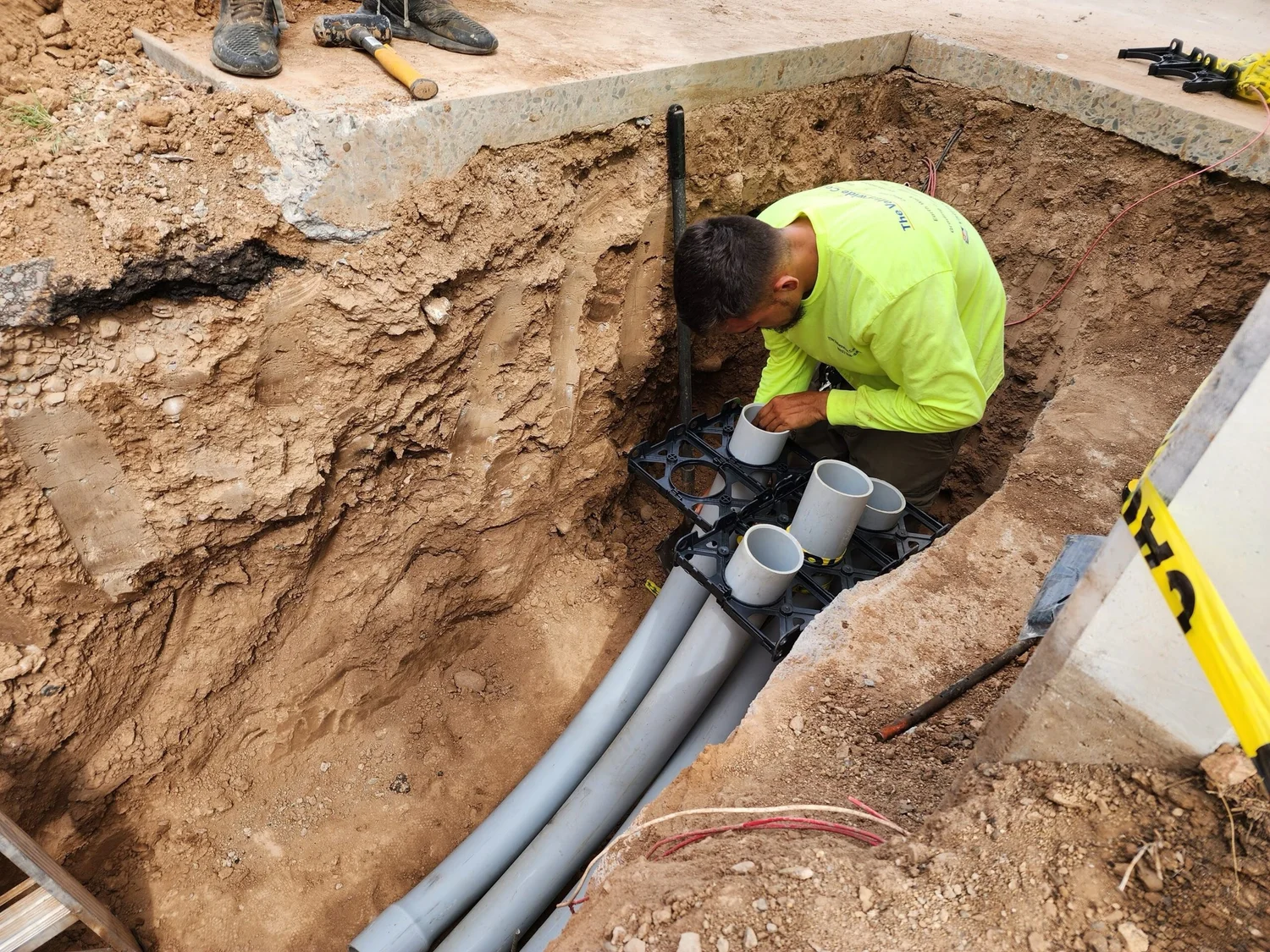
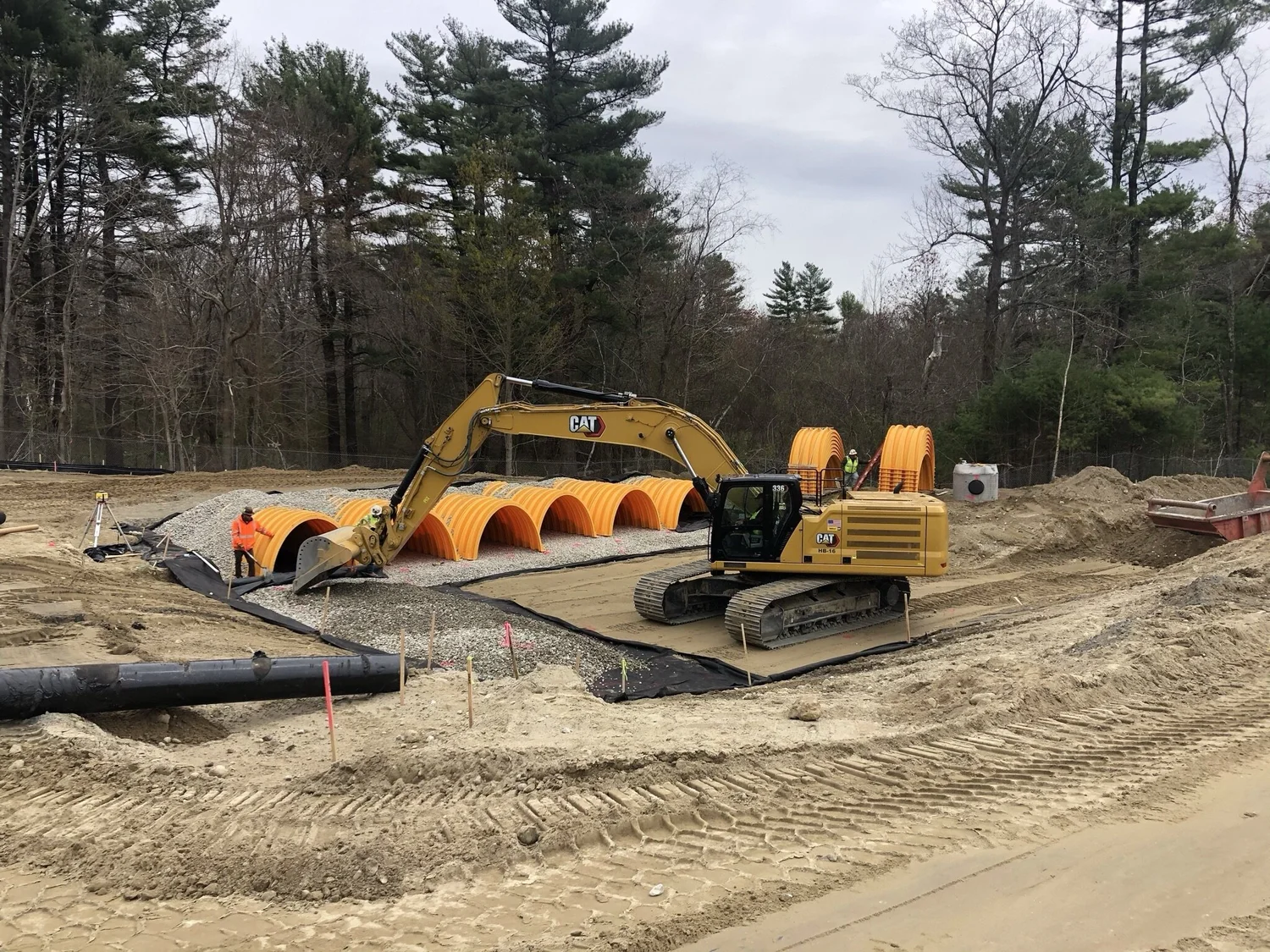
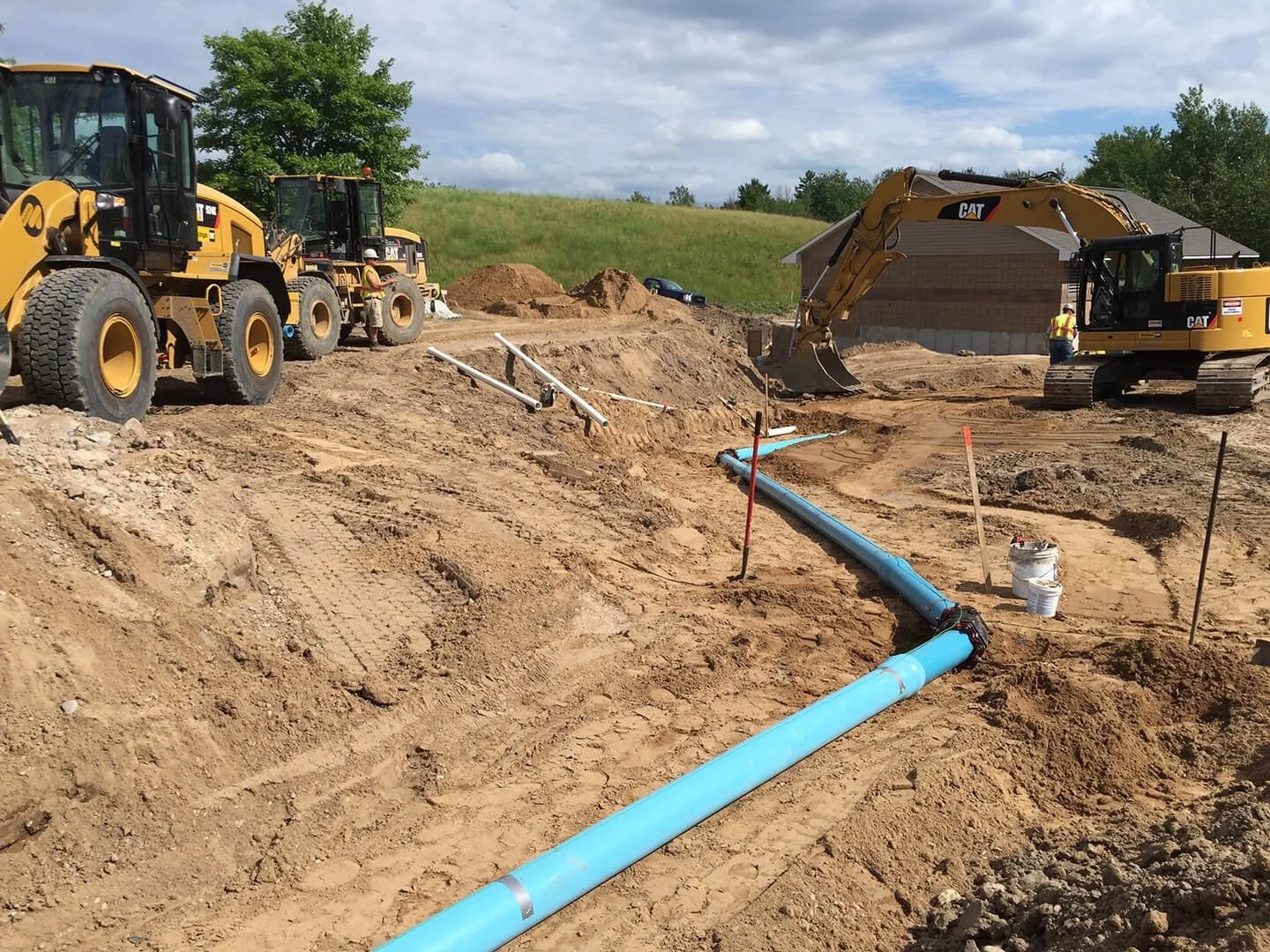
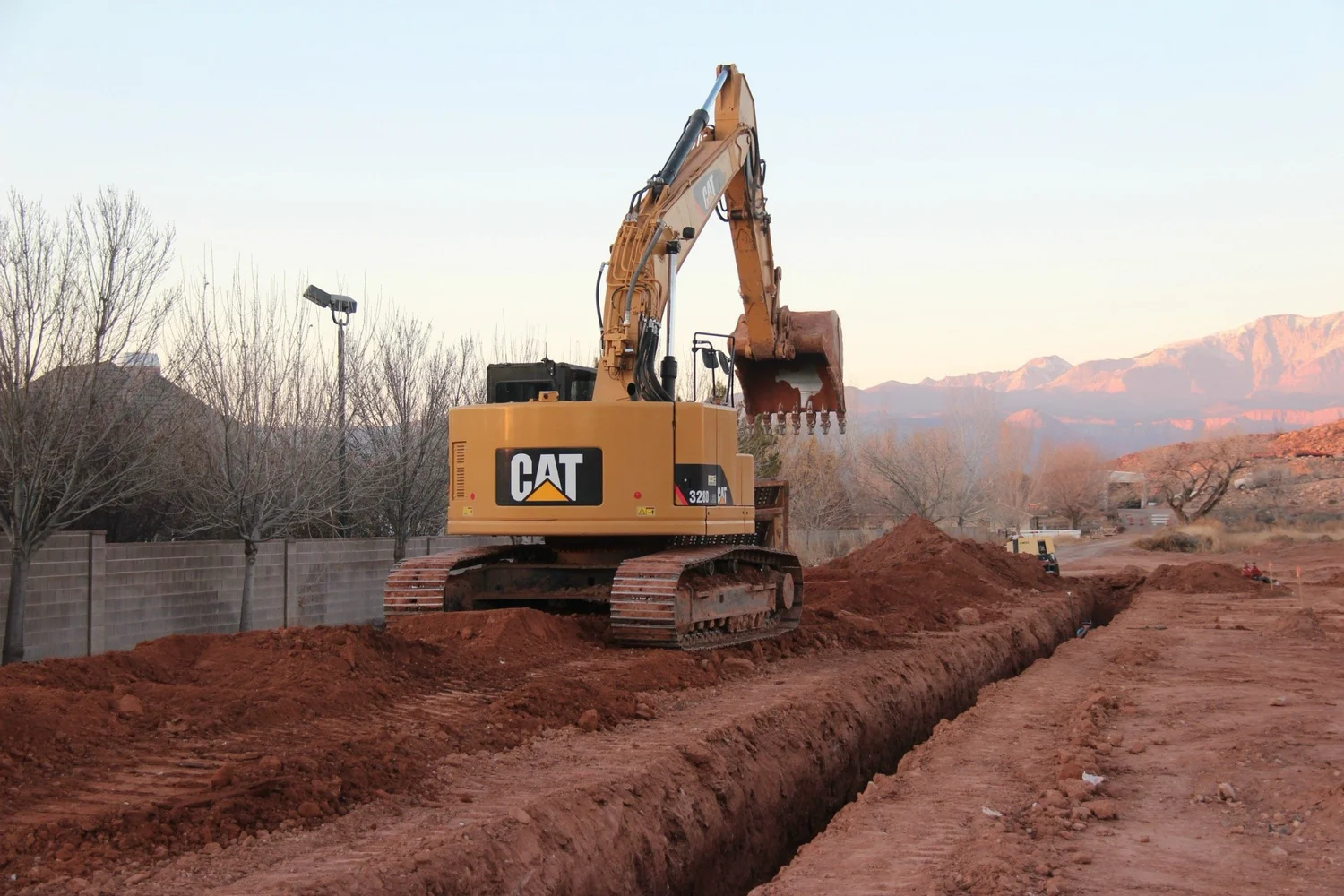
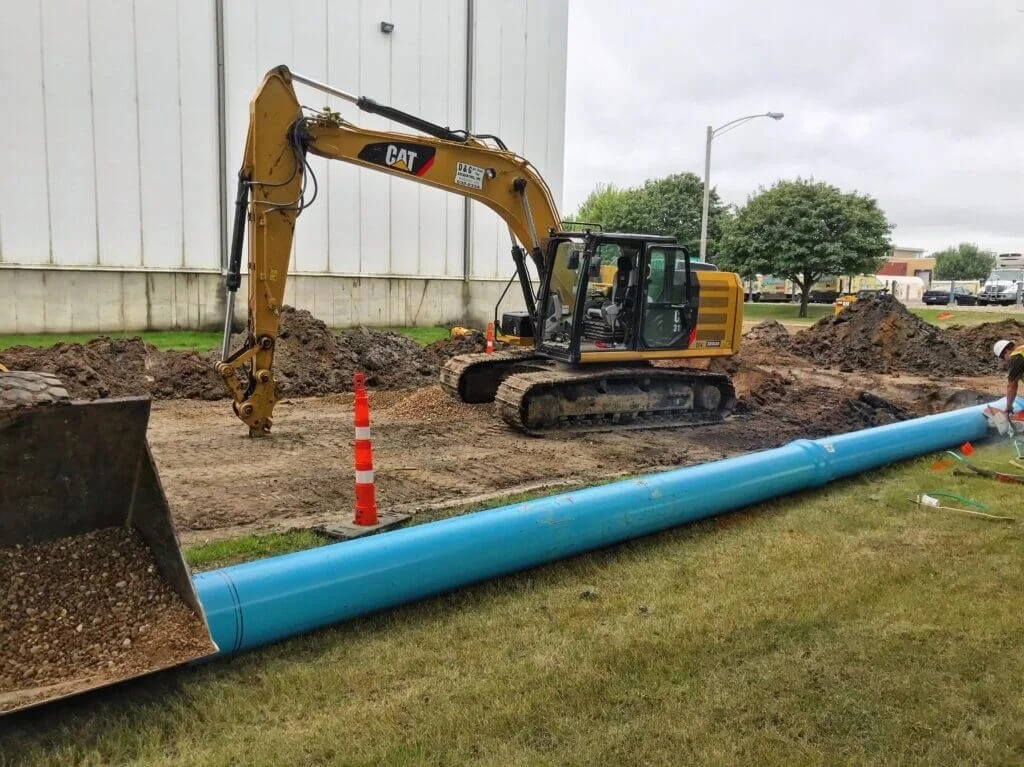
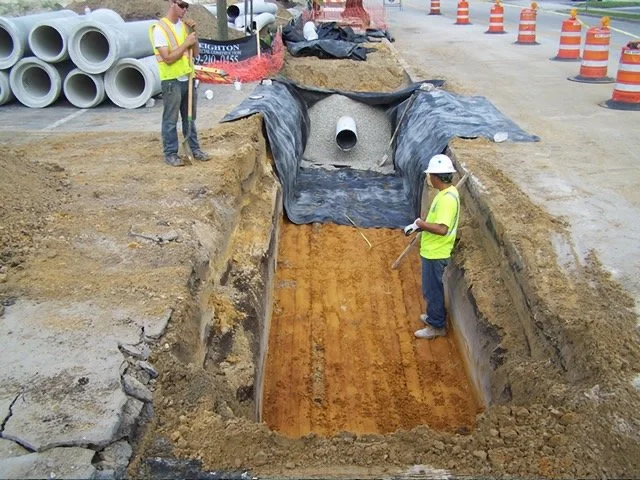
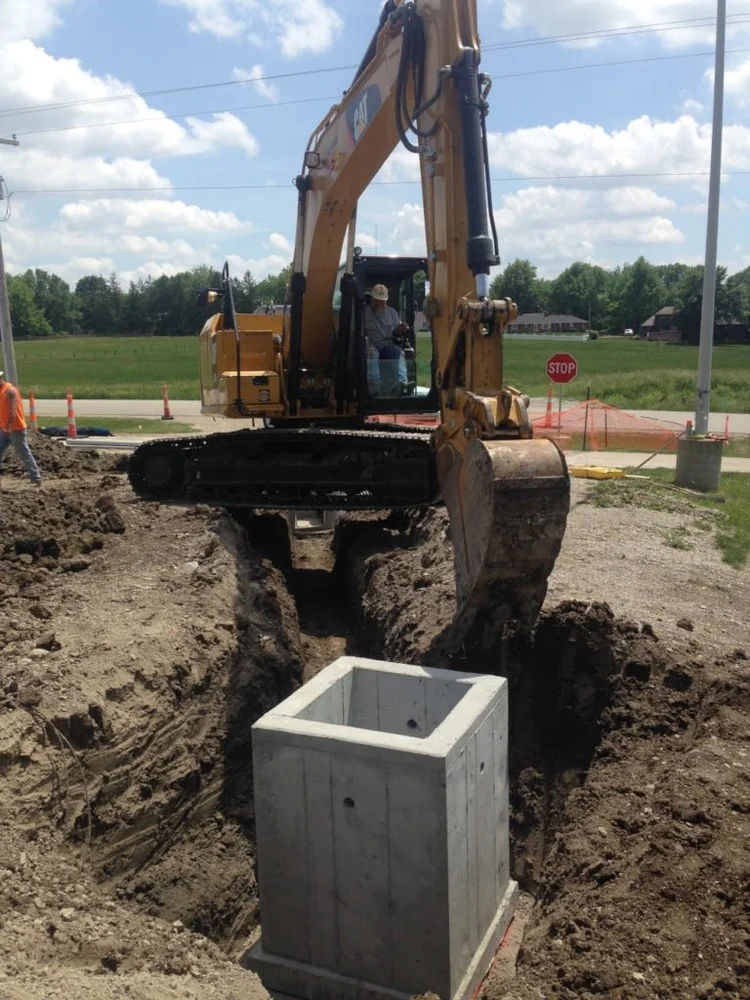
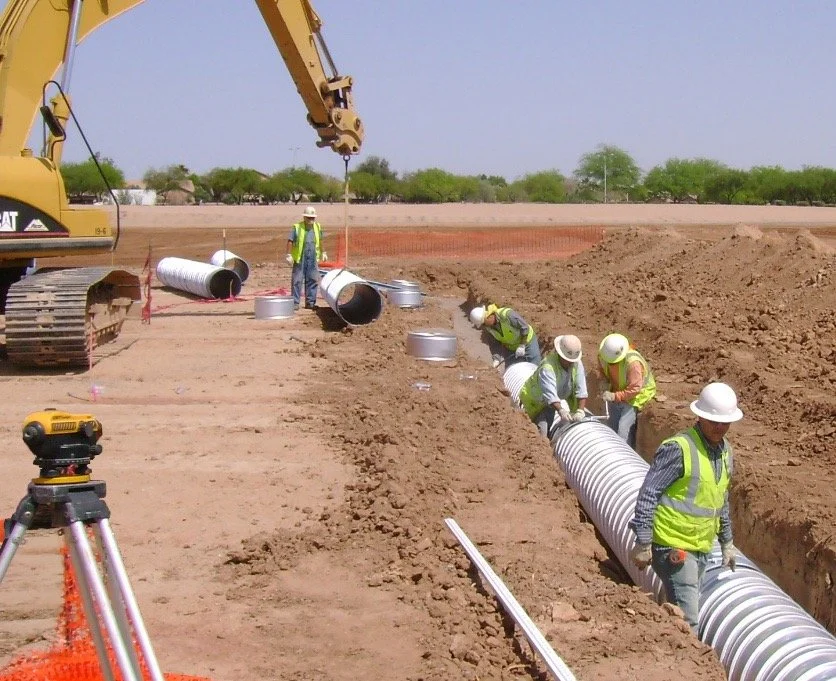
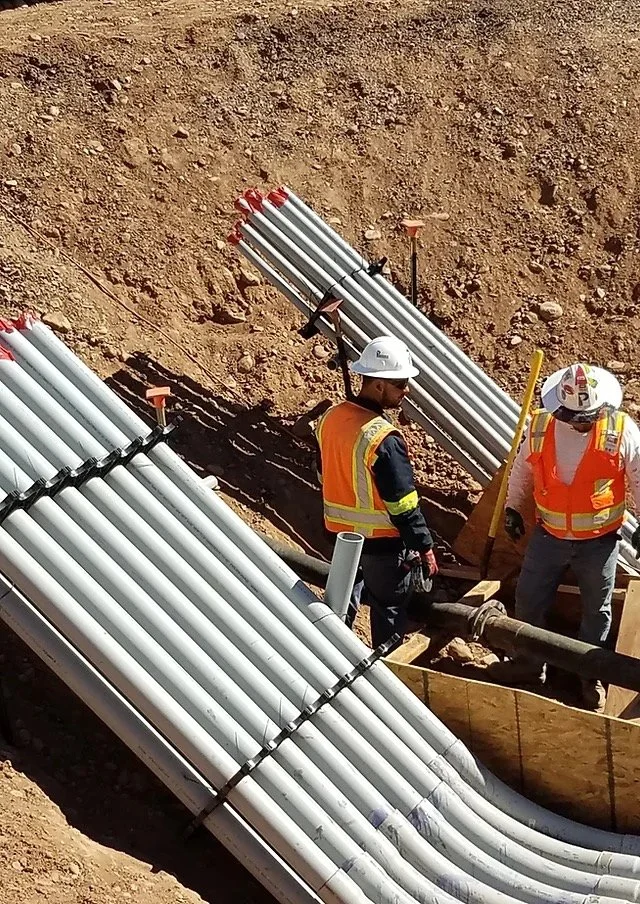
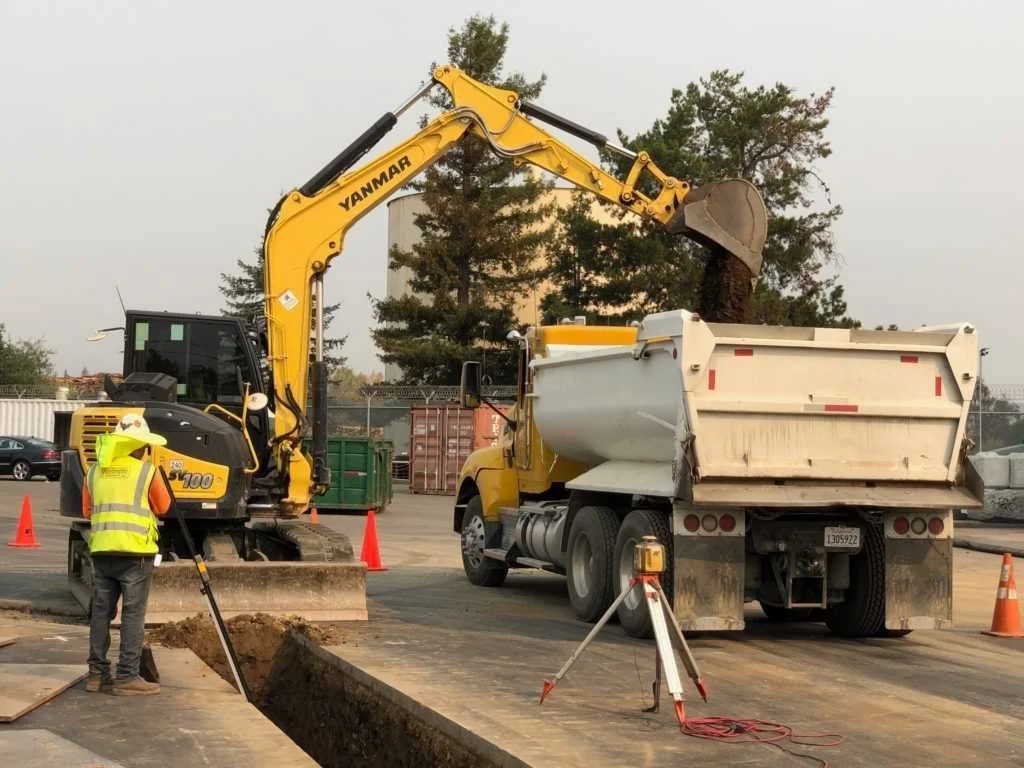
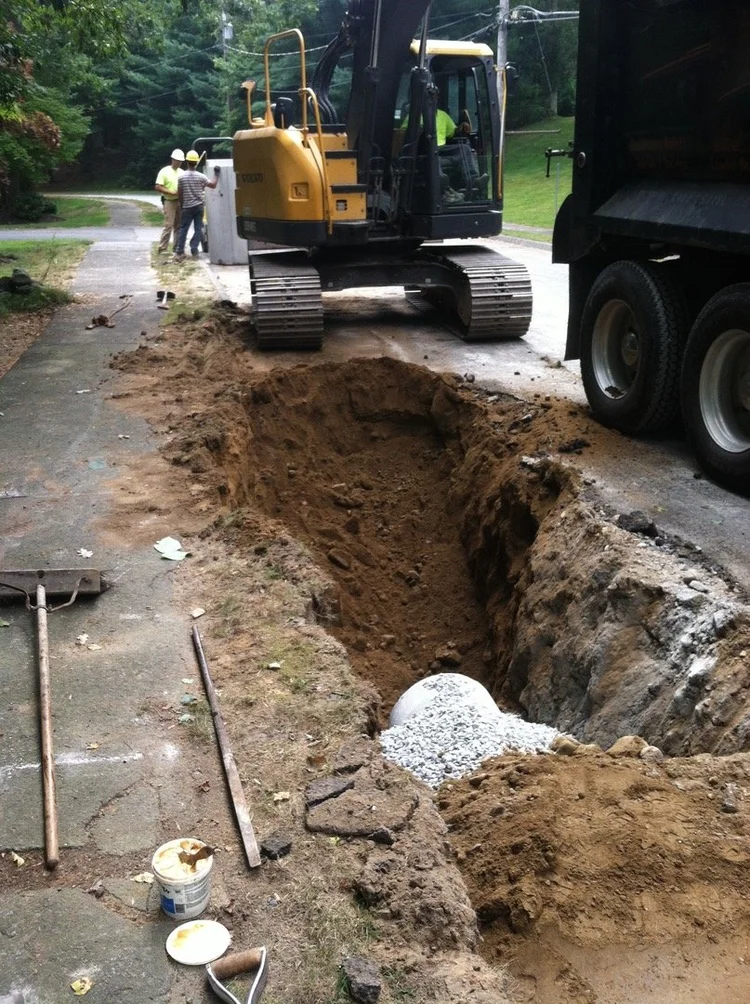
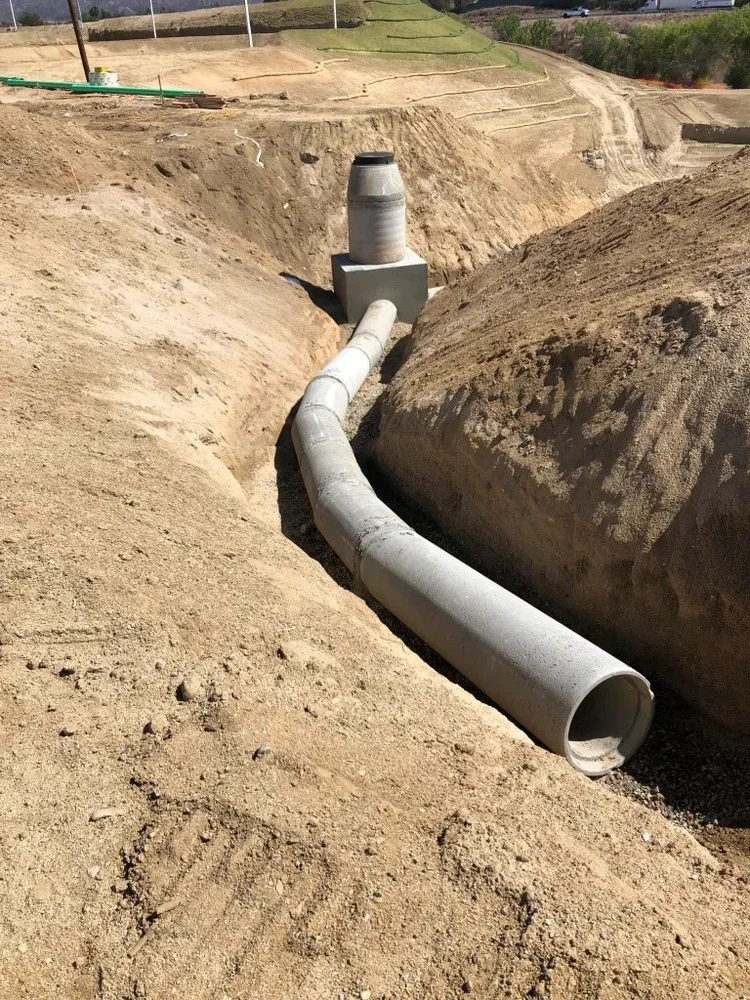
Underground Utility Work Across the Central Coast
Underground Utility FAQ
Answers to the questions we hear most often from property owners and contractors planning underground utility work on the California Central Coast.
📞 Still have questions?Call us directly
What is 811 and why does it matter before any trenching? +
811 is California's "Call Before You Dig" service. Before any excavation or trenching begins — regardless of depth — California law requires contacting 811 at least two business days in advance. The utility companies then send locators to mark the approximate location of their underground lines with colored flags or paint.
This step isn't optional and isn't just a formality. Hitting an unmarked underground utility line can cause serious injury, service outages affecting an entire neighborhood, and significant liability for the property owner and contractor. We always call 811 and wait for utility marks before opening any trench. If you're planning utility work and a contractor doesn't mention 811, that's a problem.
Do I need a permit for underground utility work? +
In most cases, yes. Installing or replacing a water service line, sewer lateral, electrical service, or gas line typically requires a permit from the local building department and coordination with the relevant utility company. The permit triggers inspections at key stages — typically before backfill — to verify that the work meets code requirements.
The specific requirements vary by county and municipality. Sonoma County and Monterey County have their own permit offices, and incorporated cities within each county may have additional requirements. We're familiar with what's required in the areas we work and can help identify what permits apply to your project.
How deep do underground utility lines need to be buried? +
Minimum burial depth varies by utility type and is governed by California Building Code and applicable utility company standards. As general guidance: water lines are typically buried at least 18–24 inches deep; sewer lines depend on the slope required for gravity flow and are often deeper; electrical conduit depth varies based on whether it's in a conduit sleeve or direct-buried cable; gas lines are typically 18–24 inches minimum.
These are minimums — actual installation depth may need to be greater based on freeze protection requirements, soil conditions, or crossing under roads and driveways. The permit and inspection process verifies that depth requirements were met before backfill is allowed.
What does utility line installation actually involve on the job site? +
A utility trenching project starts with 811 marking and permit approval. We then excavate the trench to the required depth and width, taking care to avoid any marked existing utilities. The bottom of the trench is prepared with appropriate bedding material — typically sand or crushed aggregate — before the pipe or conduit is laid.
Once the pipe is in place, we coordinate the inspection with the building department before backfilling. After inspection, we backfill in lifts and compact to the required density. Any surface restoration — patching paving, regrading, or restoring landscaping — happens last. The total timeline depends on the scope, permit timing, and inspection scheduling.
How do you handle utility work in areas with existing landscaping or paving? +
Trenching through existing landscaping or paved surfaces requires careful planning. We try to route trenches to minimize surface impact where possible, and we take care during excavation to preserve root systems and minimize the affected area.
For paved surfaces, we saw-cut clean edges before excavating so the trench patch has straight, defined boundaries. After backfill and compaction, we restore the paving to match the existing surface as closely as practical. For landscaped areas, we stockpile topsoil separately, restore grade, and compact the subgrade before replacing topsoil. We're realistic with property owners about what restoration looks like — a fresh trench patch never looks exactly like undisturbed pavement, but we do the work correctly so it performs well over time.
What's the difference between a sewer lateral and a sewer main? +
A sewer lateral is the private line that runs from your building to the public sewer main in the street. The lateral is typically the property owner's responsibility from the building to the point of connection with the public main. The sewer main is the public infrastructure in the street, maintained by the city or sanitation district.
Lateral replacements are one of the most common underground utility projects we do. Older laterals — particularly clay pipe installations from the mid-20th century — fail through root intrusion, cracking, and joint separation over time. We handle the excavation, removal, and new pipe installation on the private portion of the lateral and coordinate the connection to the public main with the relevant agency.
How long does a typical underground utility project take? +
The excavation and installation work itself on a typical residential utility project — a single water line, sewer lateral, or electrical service — usually takes one to three days of field work. The overall project timeline is often longer because it's driven by permitting and inspection scheduling rather than the excavation itself.
Permit processing time varies by jurisdiction and workload — sometimes a few days, sometimes a few weeks for complex projects. Inspection scheduling adds additional time between trench opening and backfill approval. We try to sequence work to minimize delays and will let you know upfront what the realistic timeline looks like for your specific project and location.
Can you work around high groundwater? +
Yes, but it requires planning. Parts of the California Central Coast — particularly the Salinas Valley and other low-lying agricultural areas in Monterey County — have seasonally high water tables that can make trench work challenging. When a trench fills with water, it compromises bedding, makes proper compaction difficult, and creates trench stability issues.
We address high groundwater through trench dewatering — pumping water out of the trench as it fills — and by scheduling work in drier periods where possible. For some situations, trench boxes or shoring may be required for safety. We evaluate site conditions before committing to a timeline and build the right approach into the project plan.
Are you licensed for underground utility work in California? +
Yes. DW Excavation holds California Contractor License #1060838 and carries the required liability insurance and workers' compensation coverage. We've been performing underground utility work on the California Central Coast since 2013 and are familiar with the permit requirements, inspection processes, and utility company coordination procedures that apply to this work in both Sonoma and Monterey Counties.
Note that while we handle the excavation and trenching side of utility work, licensed specialty contractors (plumbers, electricians) typically handle the actual pipe and wire connections. We coordinate with those trades as part of a complete project, or we work alongside your existing subcontractors as the excavation contractor.
What does utility work cost? +
Cost depends on the length and depth of the trench, soil conditions, whether existing pavement or landscaping needs to be removed and restored, permitting fees, and whether there are existing utilities in the path that require extra care. A short water line replacement under a yard is a very different scope from running a new sewer lateral 150 feet through clay soil and existing paving.
We don't publish price ranges because they're too variable to be useful without site context. Call 707-601-9091 and we'll schedule a site visit to understand the specific conditions and give you an accurate estimate.
Ready to Start Your
Utility Project?
Call us to discuss the scope, or fill out the form above. We'll walk through the permitting requirements, site conditions, and timeline before any work begins.
Sources
- California Government Code §4216 — Underground utility notification requirements (811 Call Before You Dig)
- California Building Standards Commission — 2025 California Plumbing Code and Electrical Code (effective January 2026)
- Sonoma County Permit Sonoma — Building Permit Requirements (2024): permitsonoma.org
- County of Monterey Development Services — Building Permit Information (2024): countyofmonterey.gov