Sonoma County to Monterey County · CA LIC #1060838
Water
Management Services
Drainage systems, culvert installation, dredging, erosion control, and stormwater management for residential and commercial projects across the California Central Coast — from wine country to the Salinas Valley.
Start Your Project
Homepage Short Form
DW Excavation provides water management services throughout the California Central Coast — including surface and subsurface drainage system installation, culvert placement and maintenance, dredging and waterway clearing, erosion control earthwork, and stormwater management solutions for land development projects. Work is designed to protect structures, comply with local grading and environmental regulations, and manage water flow across Sonoma County's clay-heavy terrain and Monterey County's agricultural and coastal landscapes. Licensed contractor CA LIC #1060838, serving the region since 2013.
Managing Water on the California Central Coast
Water is the most common source of property damage on the California Central Coast. Poorly managed surface runoff undermines foundations, erodes slopes, floods low points, and destroys driveways and paved surfaces. In a region that swings between drought conditions and intense atmospheric river events, the ability to move water away from structures quickly and predictably isn't a luxury — it's what determines whether a site performs over time or becomes an expensive problem.
Water management at the excavation level means shaping the land and installing the right infrastructure to control where water goes. That includes grading the site to direct surface flow toward appropriate discharge points, installing drainage infrastructure to intercept and redirect water, placing culverts and catch basins at critical collection points, and protecting exposed soil from erosive runoff during and after construction. Done correctly at the site preparation stage, it prevents the problems that show up years later when foundations settle, slopes fail, or driveways wash out.
DW Excavation has been doing water management excavation work on the California Central Coast since 2013. We understand the regional soil conditions, the seasonal rainfall patterns, and the permit requirements that apply to drainage and grading work in both Sonoma and Monterey Counties. We approach every water management project with a site-specific plan — not a generic solution.
Water Management Services We Provide
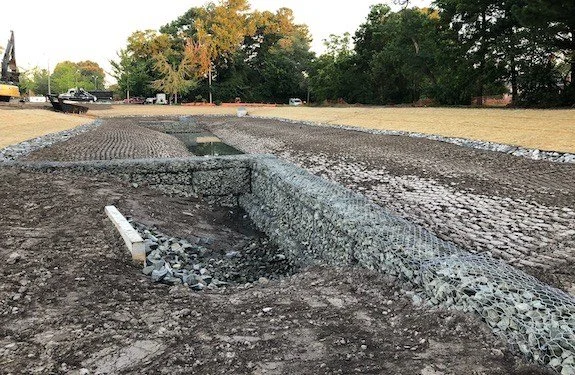
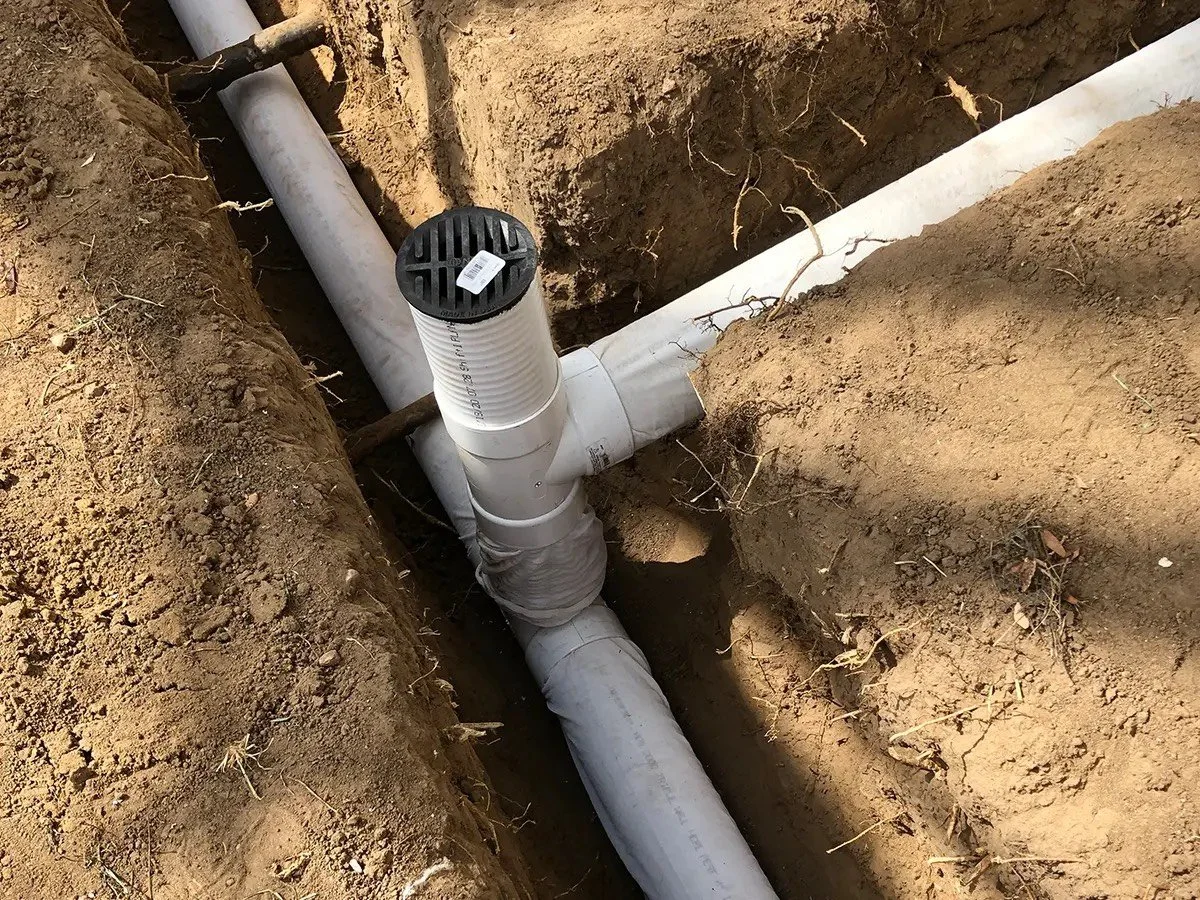
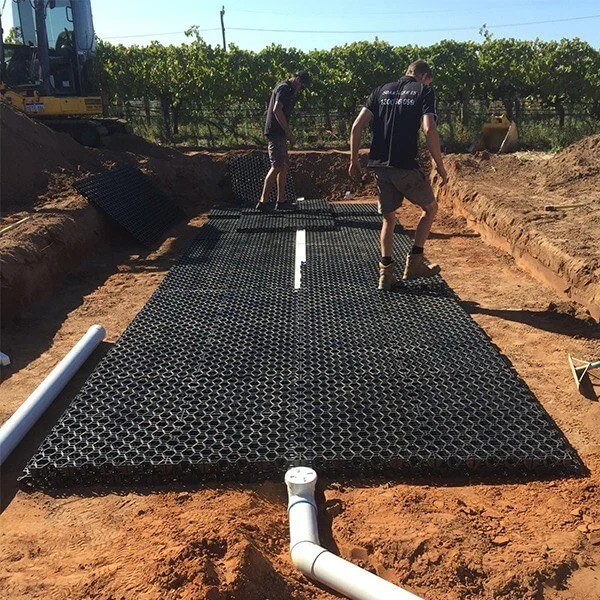
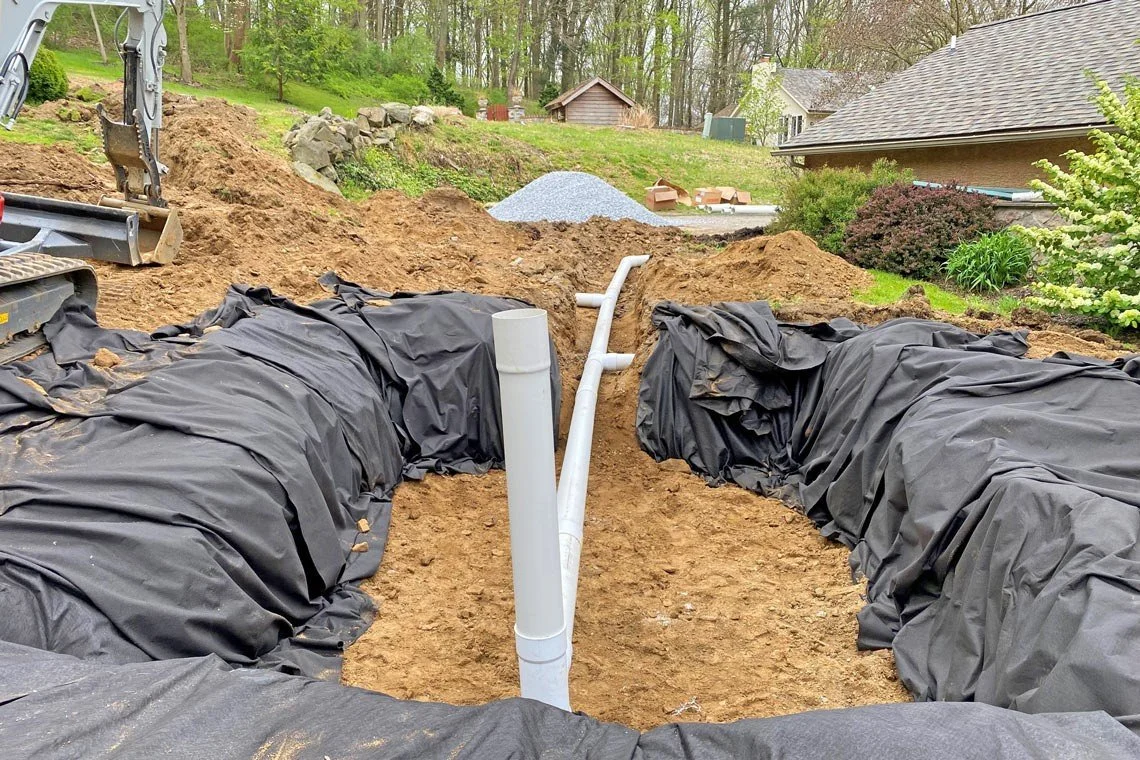
- Surface Drainage System Installation — French drains, swales, channels, and collection systems to intercept and redirect surface water away from structures and low points
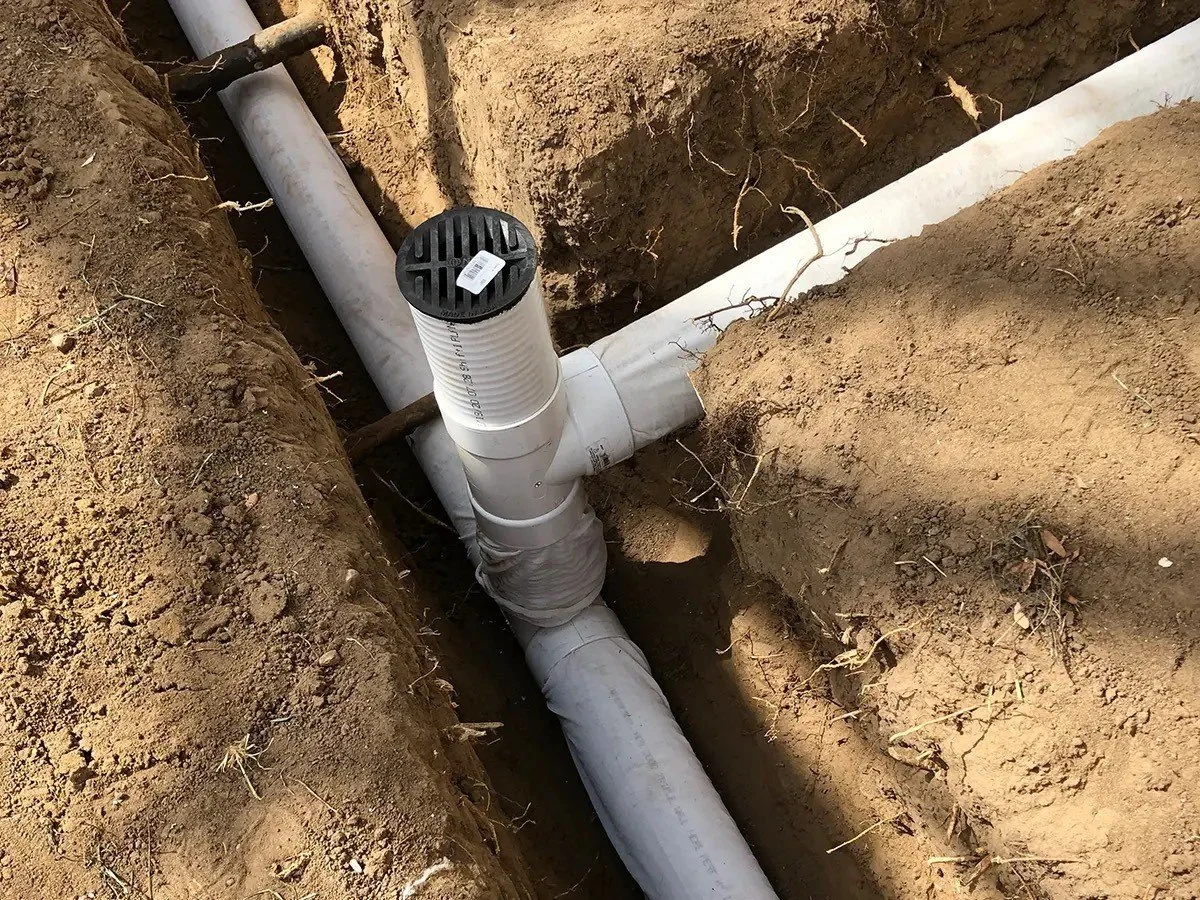
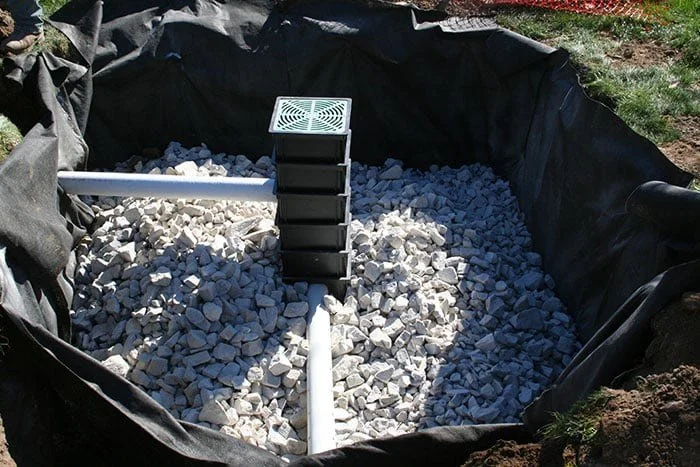
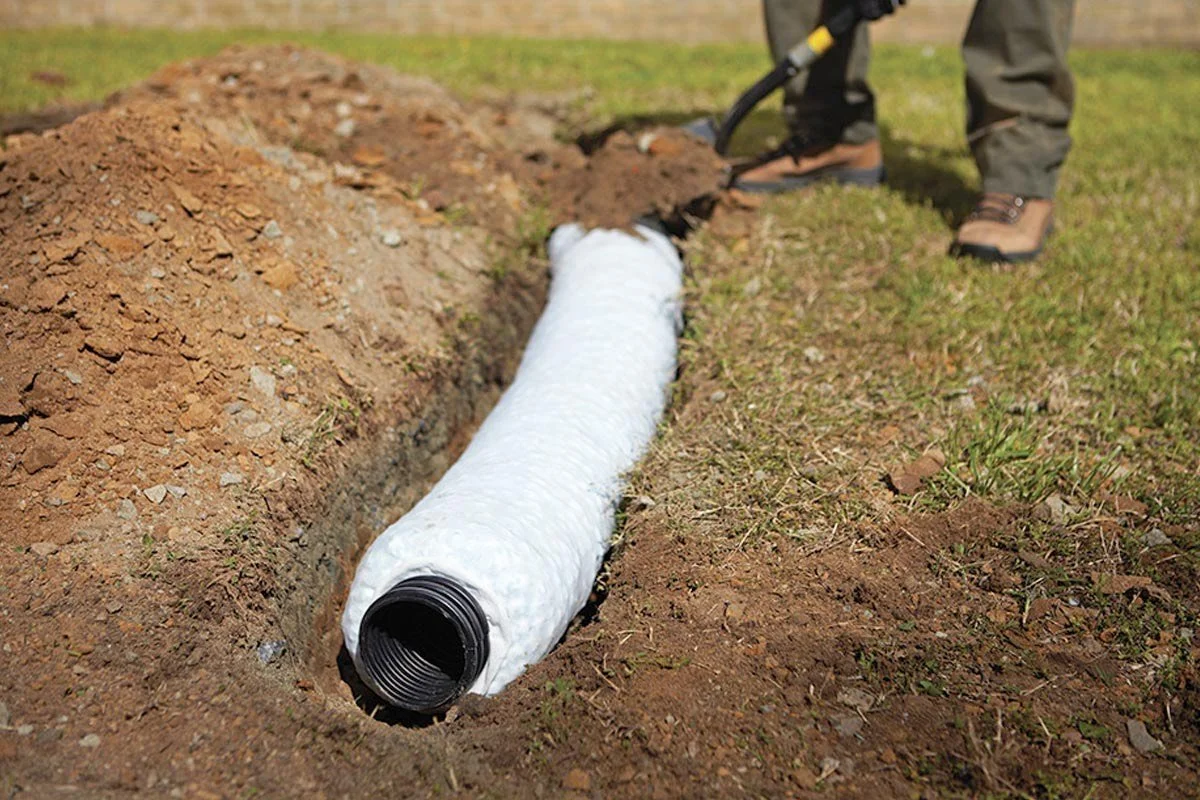
- Subsurface Drainage — Perforated pipe systems, infiltration trenches, and subsurface drainage networks for properties with high water tables or saturated soils
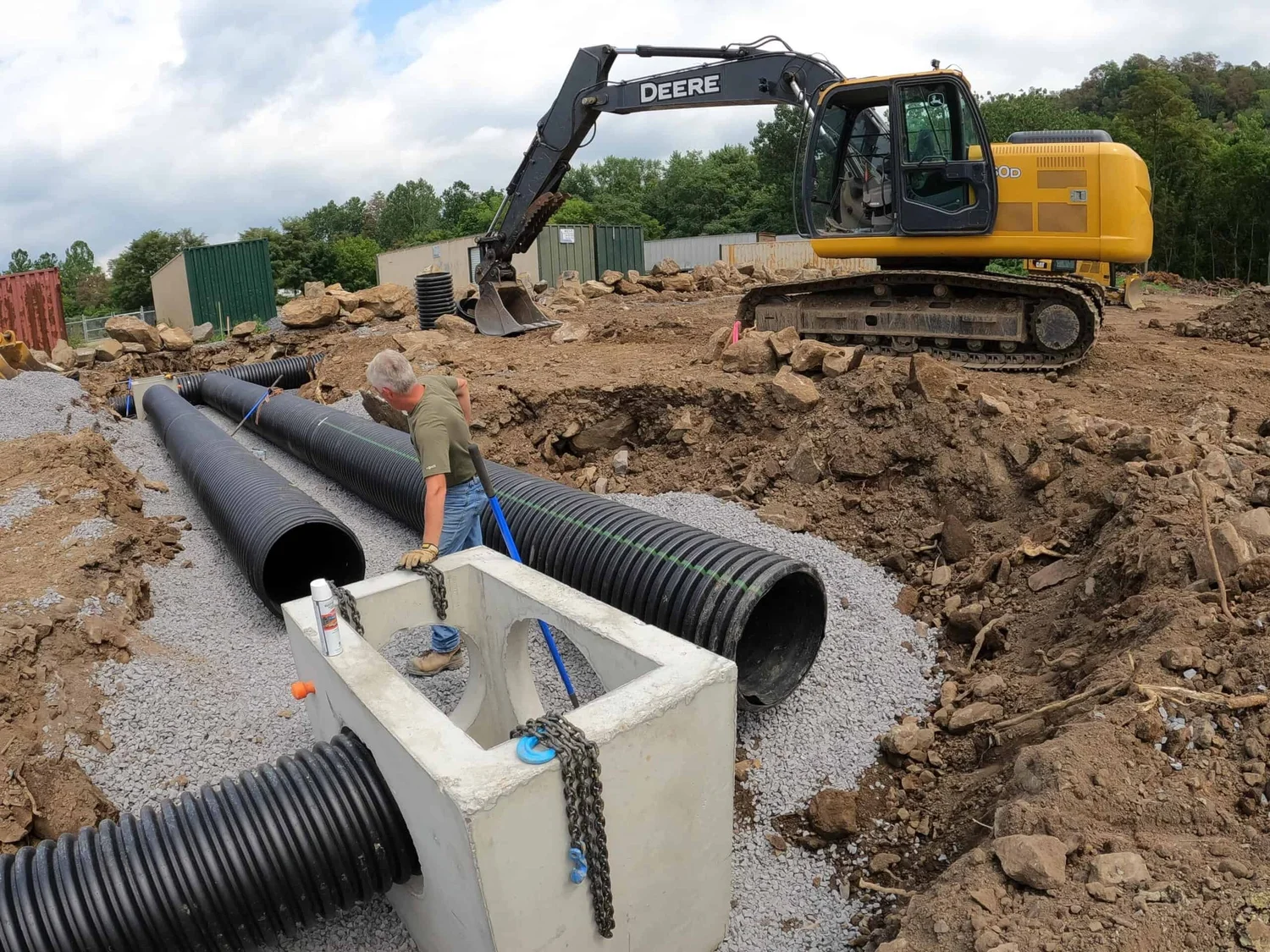
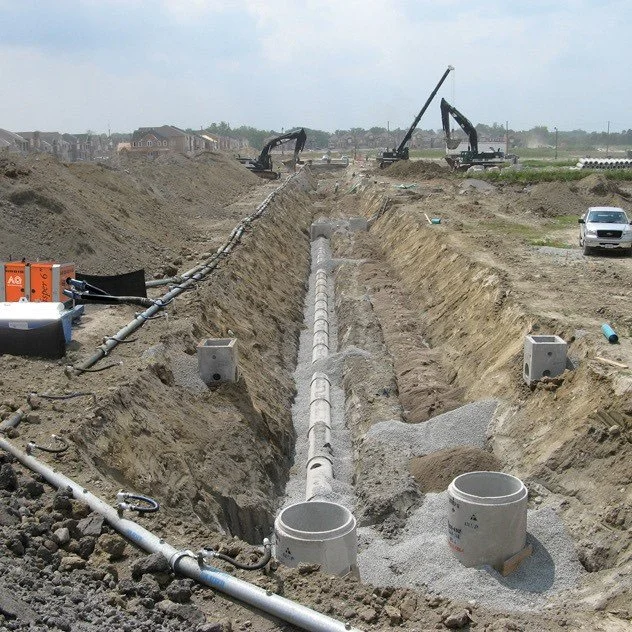
- Culvert Installation & Maintenance — Placement and sizing of culverts under roads, driveways, and pathways to maintain water flow and prevent flooding and erosion
- Dredging & Waterway Clearing — Sediment removal and channel clearing to restore water flow capacity in ponds, ditches, irrigation canals, and natural waterways
- Stormwater Management — Site grading and infrastructure installation designed to manage runoff in compliance with local stormwater control requirements
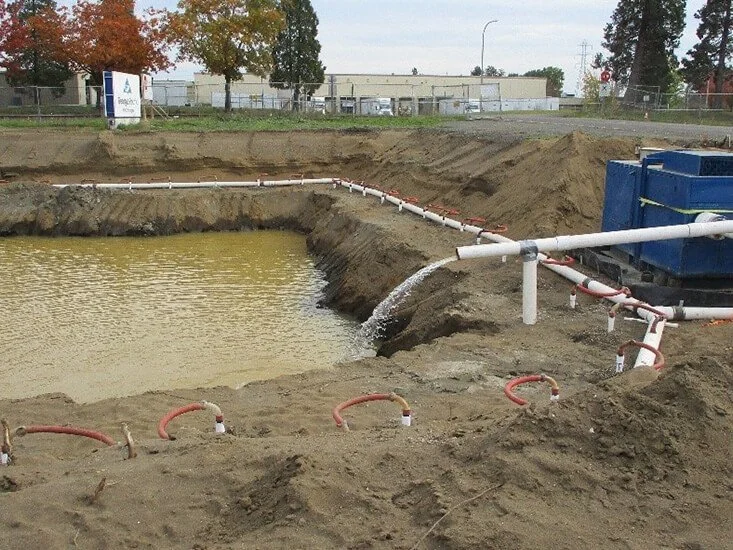
- Retention & Detention Basin Construction — Excavation and grading for water retention ponds, detention basins, and infiltration areas that manage peak runoff and allow controlled discharge
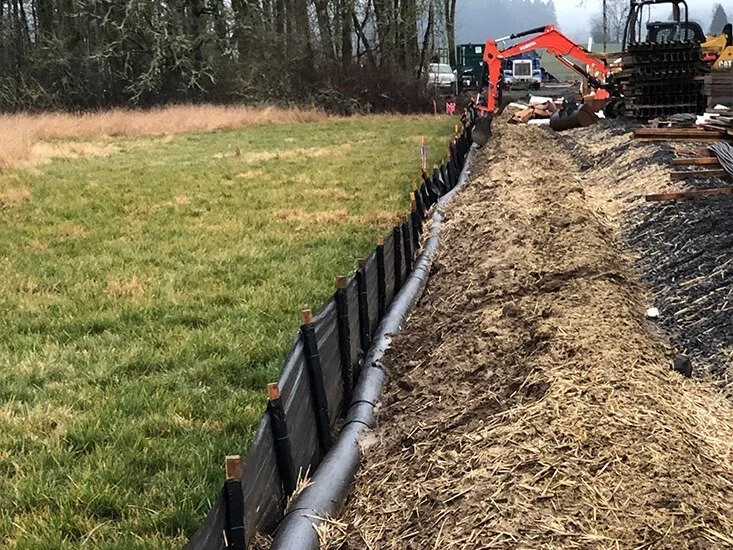
- Erosion Control Earthwork — Slope shaping, berms, check dams, and grading work to slow and redirect runoff and minimize soil loss on disturbed sites
- Agricultural Water Management — Irrigation ditches, drainage improvements, and field leveling for agricultural properties in the Salinas Valley and wine country regions
Why Water Management Starts with Excavation
Effective drainage and water management is primarily a grading problem. Pipes and inlets can't overcome a site that was graded incorrectly in the first place. The slope of the land, the location of high and low points, the direction of natural water flow — these are set during the excavation and grading phase, and they determine how every other water management element performs.
We work with property owners and contractors before construction starts to identify drainage problems early, when they're still easy and inexpensive to solve. A site that gets the grading and drainage infrastructure right from the beginning performs differently — and costs less to maintain — than one that needs drainage repairs added after the fact.
Water Management for Central Coast Conditions
Water management challenges on the California Central Coast are shaped by a specific combination of factors: clay soils that shed water rather than absorb it, steep terrain in wine country and coastal hills, flat valley floors with high water tables, and a rainfall pattern that concentrates heavy precipitation into a short wet season. What works in Sacramento doesn't necessarily work in Sonoma County. What handles the Salinas Valley's agricultural drainage needs is different from what a coastal Monterey property requires.
We've been working in this territory since 2013 and have direct experience with how water moves across these landscapes. That familiarity shapes how we approach every drainage and water management project — from selecting the right system type to understanding what the county's permitting office will require before work can begin.
Northern Region — Sonoma County & Wine Country
Sonoma County's water management challenges start with clay. The region's expansive clay soils have very low permeability — they shed water quickly during rain events and swell and shrink with seasonal moisture changes. Properties on sloped terrain face runoff that concentrates quickly and erodes exposed soil. Valley floor properties deal with seasonal saturation that can persist for weeks. Agricultural vineyards require careful water management to prevent both excess moisture and drought stress at the root zone.
- Clay soil drainage — systems designed for low-permeability conditions and seasonal swelling
- Hillside runoff — slope management, swales, and interceptor drains on wine country terrain
- Agricultural drainage — vineyard and orchard drainage to manage seasonal saturation
- Sonoma County stormwater permits — grading and drainage plans meeting county requirements
Sonoma County also offers rainwater harvesting rebates through the Resource Conservation District — up to $0.50 per gallon of storage capacity (maximum $5,000) for qualifying projects. We can incorporate cistern infrastructure into water management projects that qualify for the program.
Southern Region — Monterey County & the Central Coast
Monterey County's water management landscape is more diverse than Sonoma's. The Salinas Valley's flat agricultural land has historically high water tables and dense irrigation infrastructure that requires ongoing drainage management. Coastal and hillside properties deal with sandy soils, slope instability, and proximity to sensitive waterways and wetlands that trigger additional environmental review. The 2023 Pajaro flooding — and the ongoing recovery — underscored how severely inadequate drainage infrastructure can affect communities throughout the county.
- Agricultural water management — irrigation ditches, field drainage, and water conveyance systems
- High water table management — subsurface drainage and dewatering in low-lying areas
- Coastal and hillside drainage — slope stabilization and erosion control near sensitive areas
- Monterey County grading permits — drainage plans complying with 1% minimum slope requirements
Drainage & Stormwater Work Across the Central Coast
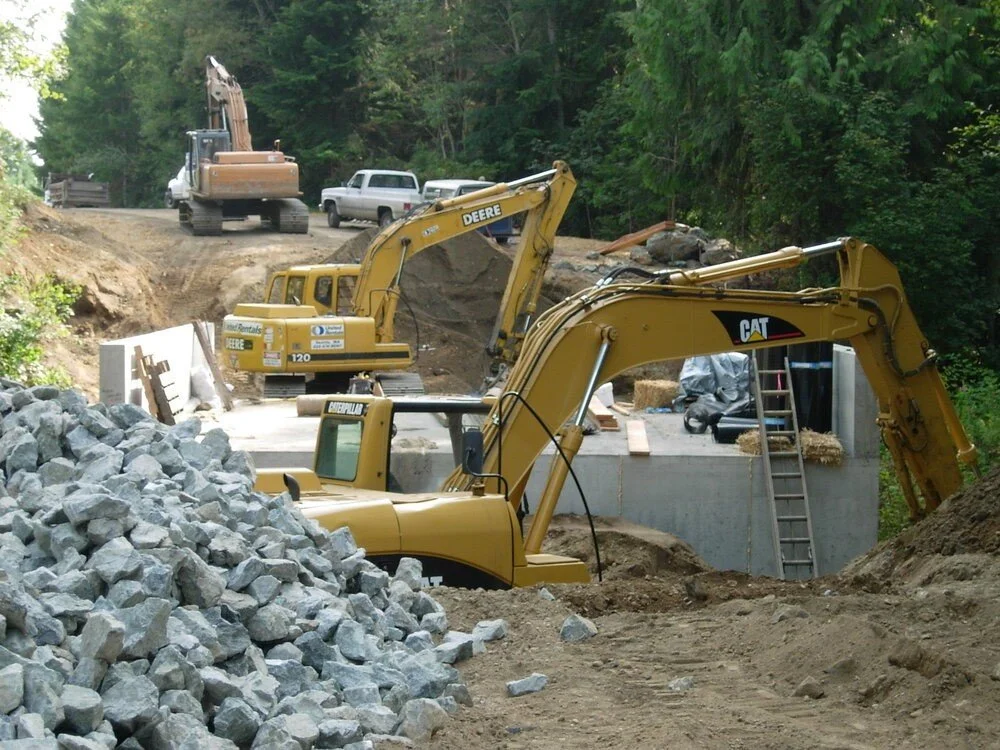
From Drainage Hazard to Lasting Solution
A Monterey County homeowner had an unsightly, dangerous ditch threatening their property. Our team designed and built a complete drainage system — and stuck around to make sure it performed through the first major rain.
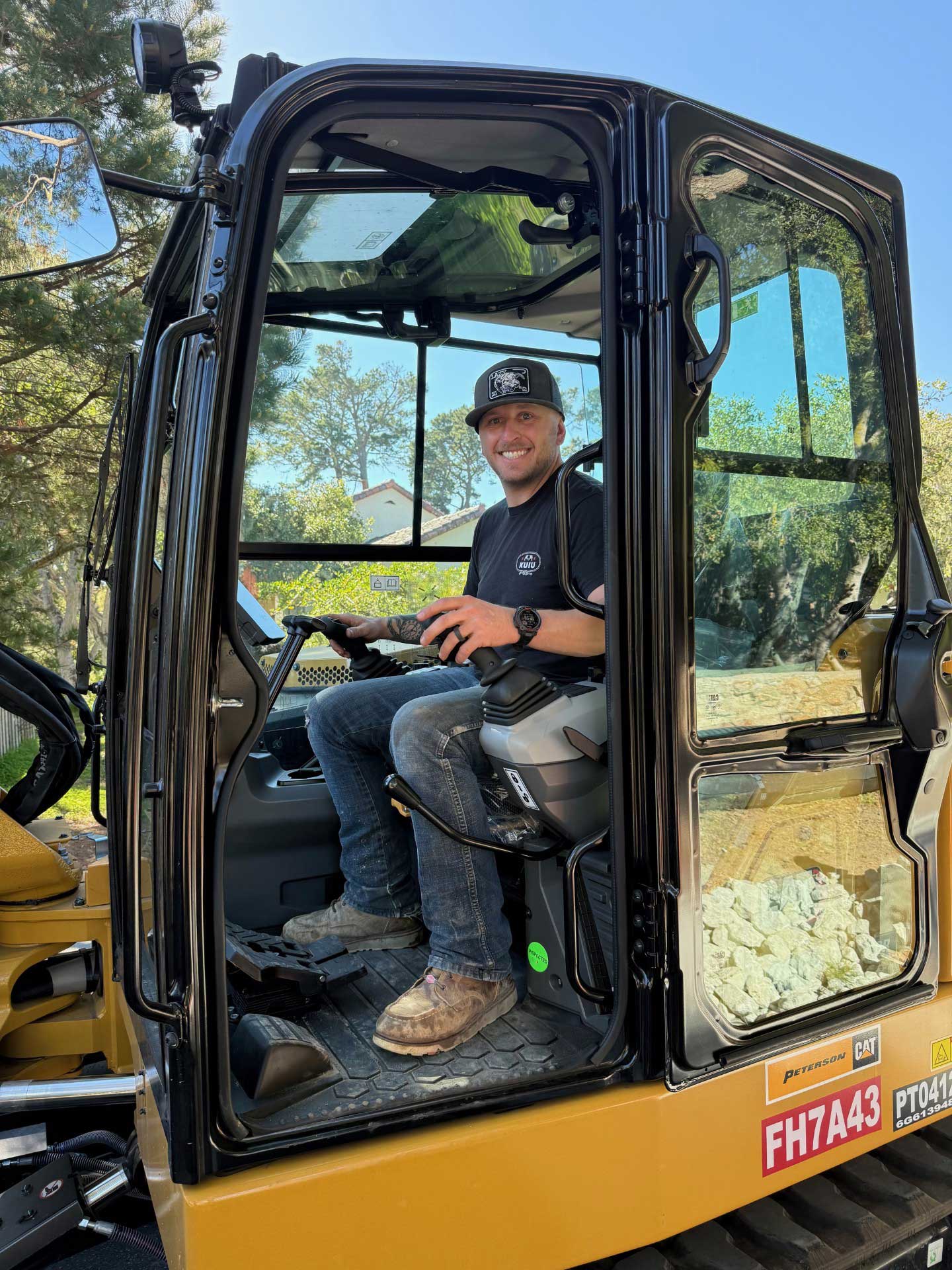
VERIFIED GOOGLE REVIEW
We could not be more pleased with the work that Dallas and his crew at DW Excavation did on our drainage ditch project. From the beginning, Dallas was professional, knowledgeable, and incredibly thorough — providing a detailed estimate with clear explanations and helping us find the best solution within our budget.
What truly impressed us was his commitment to doing the job right. After the first major rain, Dallas personally came back to make sure everything was functioning properly and even made a few adjustments. His crew was outstanding too — hard-working, skilled, and generally great people to work with. They transformed what had been an unsightly and dangerous ditch into a beautiful and highly functional drainage system.

Ann Nash
Drainage System · Monterey County Homeowner
Water Management FAQ
Questions we hear most often from property owners, developers, and contractors dealing with drainage and water management on the California Central Coast.
📞 Still have questions?Call us directly
My property floods every winter — where do I start? +
The first step is understanding where the water is coming from and where it needs to go. Most flooding problems on residential and agricultural properties have one of a few root causes: inadequate site grading that allows water to pool near structures, undersized or blocked drainage infrastructure that can't handle peak flow, water migrating from uphill properties with no interception point, or soil conditions that prevent water from infiltrating fast enough.
A site visit is the best way to diagnose the specific cause on your property. We can walk the site, identify the problem areas, and propose a solution based on the actual conditions — rather than guessing from a description. Call 707-601-9091 to schedule a visit.
Do I need a permit for drainage work? +
It depends on the scope and location of the work. In Sonoma County, any grading that involves more than 50 cubic yards of cut or fill, or exceeds 3 feet in depth, requires a grading permit. Drainage work that involves significant earthmoving — installing a retention basin, major regrading for stormwater management — typically triggers this threshold. Monterey County has a similar requirement at 100 cubic yards.
Some drainage projects — like installing a French drain along an existing structure's foundation — may not require a permit depending on the scope. We can help you determine what's required for your specific project and, where permits are needed, we handle the coordination with the building department as part of the project.
What's the difference between a French drain and a swale? +
A French drain is a subsurface system — a trench filled with gravel and perforated pipe that collects groundwater or surface water infiltrating into the ground and redirects it via pipe to a discharge point. It works by intercepting water underground and is appropriate where water needs to be collected across a broad area or where a visible surface channel isn't practical.
A swale is a surface feature — a shallow, gently sloped channel in the ground that directs surface runoff along a defined path to a collection or discharge point. Swales work well where there's enough slope to create positive drainage flow and where surface water management is the primary concern. The right choice depends on the specific drainage problem, the soil type, the slope, and where the water needs to end up.
Why does clay soil make drainage so much harder? +
Clay soil has very low permeability — it doesn't absorb water quickly. During a rain event, most of the water runs off the surface rather than soaking in. This means runoff volumes are higher and they arrive faster at low points and collection areas than they would on sandy or loamy soils.
Clay also swells when it gets wet and shrinks when it dries. This movement creates pressure on foundations and buried infrastructure, can crack pipes over time, and causes surfaces to heave. In Sonoma County, where expansive clay is common throughout the wine country terrain, drainage design needs to account for both the runoff volume problem and the soil movement problem. Drainage systems that would perform adequately in other soil types often underperform in clay without appropriate modifications to pipe bedding, trench backfill, and system capacity.
What is a retention pond and do I need one? +
A retention pond is a permanent water feature that holds stormwater runoff for an extended period — sometimes permanently — to reduce peak discharge rates and allow sediment and pollutants to settle before water is released or infiltrates into the ground. A detention basin is similar but designed to hold water temporarily and drain completely between storm events.
Retention ponds are most commonly required on larger development projects where the increase in impervious surface (roofs, pavement, compacted soil) would significantly increase runoff volumes reaching downstream areas. Whether you need one depends on the size of your project, the amount of impervious surface you're adding, and what the local agency's stormwater requirements are for your jurisdiction. We can help you understand what's required for your specific project scope.
What does "1% slope" mean in Monterey County's grading requirements? +
Monterey County's grading standards require that drainage plans maintain a minimum 1% slope toward designated discharge points. A 1% slope means the ground falls 1 foot for every 100 feet of horizontal distance — just enough to ensure positive drainage flow under normal conditions.
This requirement exists to prevent water from pooling on graded sites. Flat or improperly graded areas don't drain reliably — even a slight positive slope toward drainage is needed to keep water moving. When we design and execute grading for water management projects in Monterey County, meeting this minimum slope requirement (and often exceeding it where site conditions allow) is a standard part of the work.
Can you help with dredging a pond or irrigation ditch? +
Yes. Sediment accumulation in ponds, retention basins, and irrigation ditches reduces their water-holding and water-conveyance capacity over time. Dredging removes accumulated sediment to restore the original design capacity, improve water flow, and in some cases improve water quality and habitat conditions.
The regulatory requirements for dredging depend on the location and scale of the project. Work in or adjacent to waterways, wetlands, or environmentally sensitive areas may require permits from the Army Corps of Engineers, the State Water Resources Control Board, or other agencies. We can help identify what's required for your specific project and coordinate the excavation and sediment management work. Call 707-601-9091 to discuss your situation.
Does Sonoma County really offer rebates for rainwater cisterns? +
Yes. The Sonoma Resource Conservation District runs a rainwater harvesting rebate program that offers $0.50 per gallon of storage capacity for qualifying installations, up to a maximum of $5,000. The program is designed to encourage property owners to capture roof runoff for later use in irrigation, which reduces both water demand on municipal systems and peak stormwater runoff volumes.
Cistern installation can be incorporated into a broader water management project — particularly when we're already doing site grading or drainage work. For more details on eligibility and the current program status, check the Sonoma Resource Conservation District's website or contact them directly, as program details can change.
How does water management affect my foundation? +
Water is the primary driver of foundation problems. Soil that gets saturated loses bearing capacity, which can cause foundation settlement. Clay soils that repeatedly swell with moisture and shrink as they dry create cyclical movement that stresses foundation systems over time. Water that collects against foundation walls creates hydrostatic pressure that can crack and infiltrate concrete. And water that migrates below a slab can undermine it from beneath.
Proper site drainage — grading that moves surface water away from the building perimeter, drainage systems that intercept groundwater before it reaches the foundation, and appropriate moisture barriers — is the most cost-effective foundation protection available. Fixing drainage problems after foundation damage has already occurred is significantly more expensive than addressing them as part of the original site preparation.
What does water management work cost? +
Cost varies significantly based on the scope of the problem and the solution required. A basic French drain installation along a foundation is a different project than regrading an agricultural property's field drainage system or excavating a retention basin. Soil conditions, site access, permit requirements, and the volume of material to be moved all affect the price.
We don't publish price ranges because they're not useful without site-specific context. Call 707-601-9091 to describe your situation, and we'll arrange a site visit and provide an accurate estimate based on actual conditions.
Drainage Problem?
Let's Solve It.
Water issues are almost always cheaper to fix before they cause serious damage. Call us to walk through your site and we'll tell you exactly what's going on and what the right solution is.
Sources
- Sonoma Resource Conservation District — Rainwater Harvesting Rebate Program (2025): watrd.io/programs_list/sonoma-county-rainwater-harvesting
- Permit Sonoma — Grading Permits and Stormwater Control Requirements (2024): permitsonoma.org
- County of Monterey Development Services — Grading Permits (2024): countyofmonterey.gov
- Stanford University Doerr School — Clusters of atmospheric rivers and California storm damages (2024)
- CalMatters — California flooding aid delays, Pajaro and Planada recovery (2024)