Erosion Control
Solutions
Protecting slopes, stabilizing soil, and managing stormwater runoff across the California Central Coast — before the next rain event turns a manageable site into a costly problem.
Homepage Short Form
Erosion Control Services for Construction, Slopes & Stormwater
Erosion becomes a problem the moment soil is disturbed and left unprotected. Construction grading, land clearing, slope work, and even extended drought followed by heavy rain can all trigger significant erosion events. The damage isn't always visible right away — sediment moving off your site can travel into storm drains, creek channels, and neighboring properties, creating liability and permit compliance issues on top of the physical damage.
DW Excavation has been providing erosion control services across Sonoma and Monterey counties since 2013. We understand both the physical site conditions in this region and the regulatory requirements that govern erosion and sediment control during construction. Our work is designed to meet permit requirements, hold up through the wet season, and support long-term site stability — not just pass a visual inspection.
Our Erosion Control Services Include
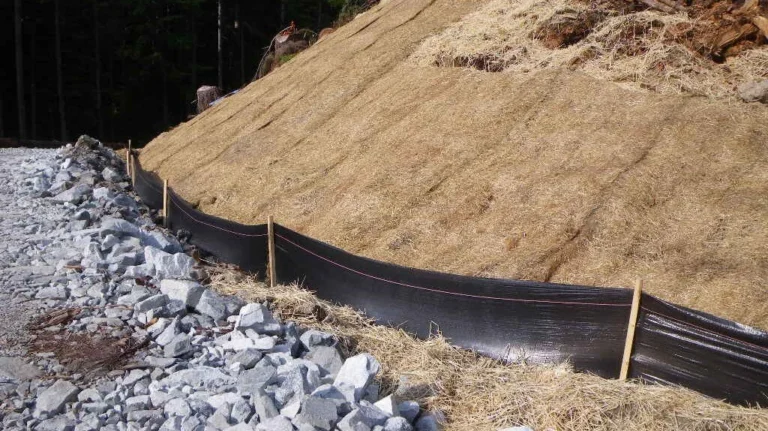
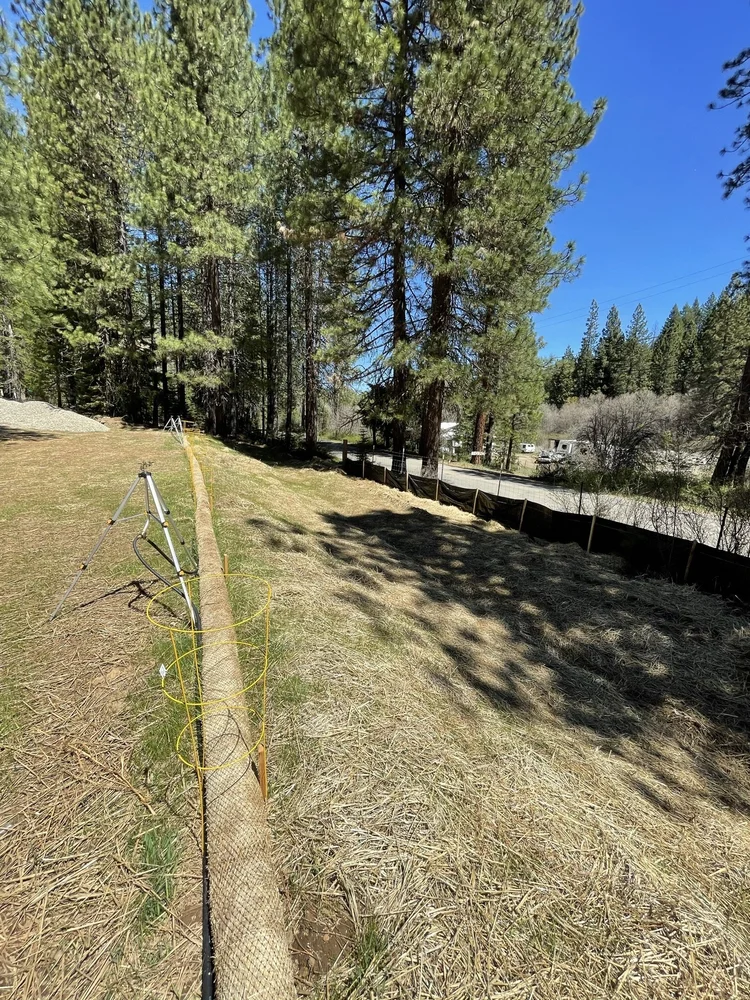
- Silt Fence Installation — Perimeter sediment control for construction sites and disturbed areas. Properly installed and maintained to meet SWPPP and county grading requirements.
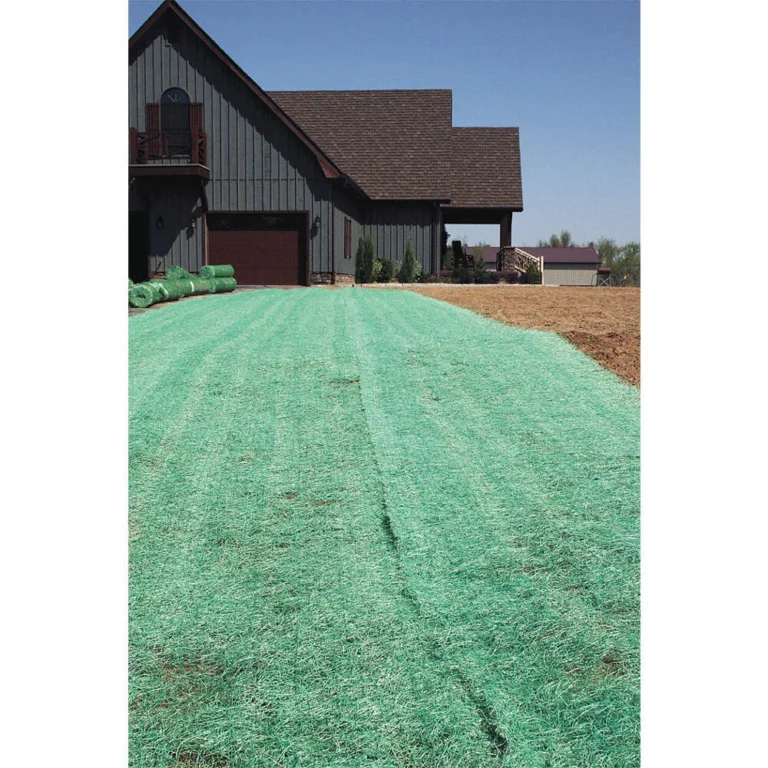
- Hydroseeding — Fast, uniform vegetation establishment on cleared slopes, cut banks, and disturbed soil. Effective for large areas where hand-seeding isn't practical.
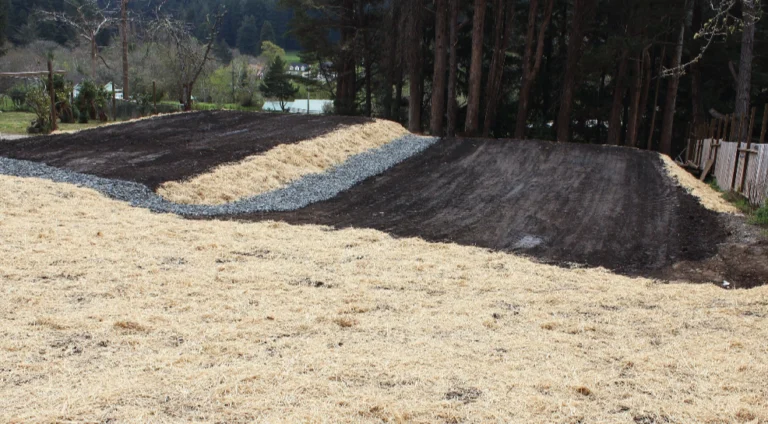
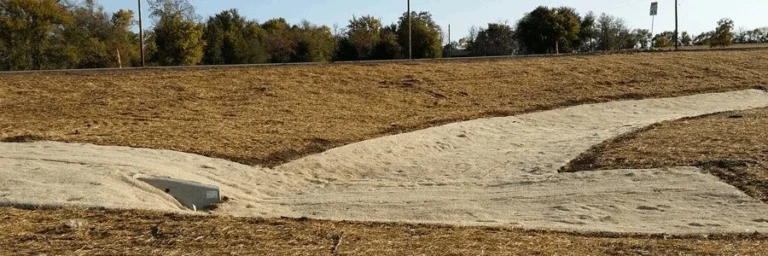
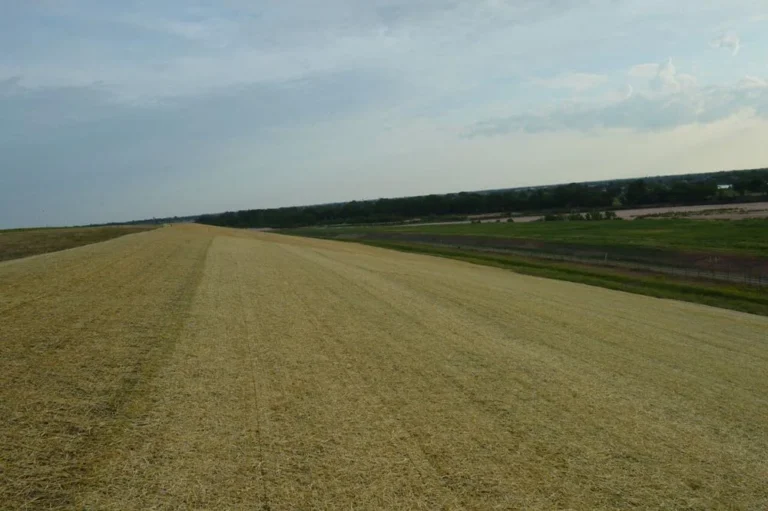
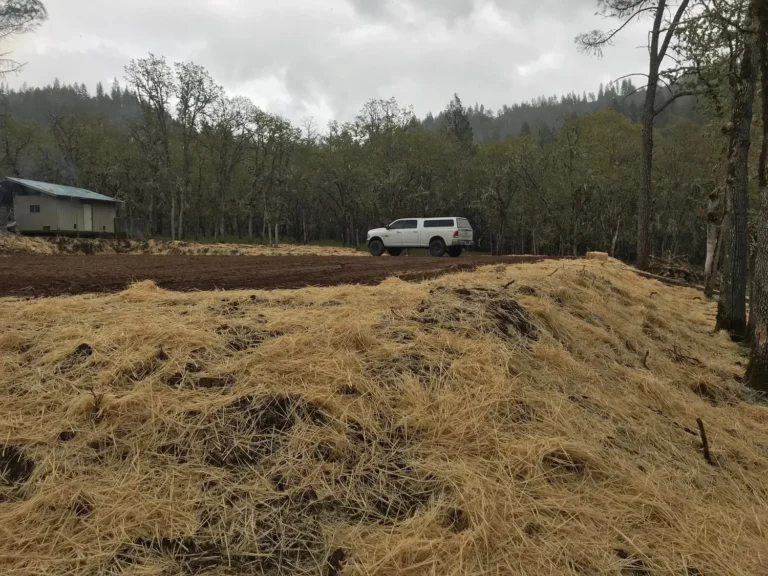
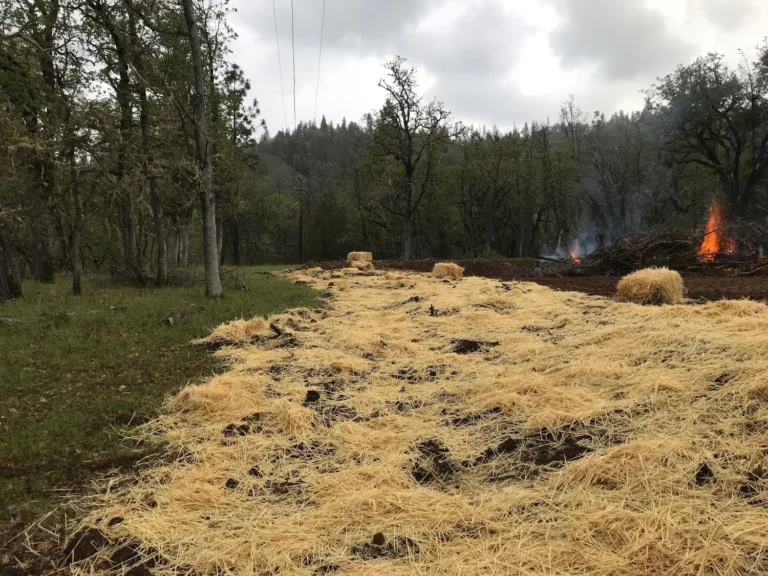
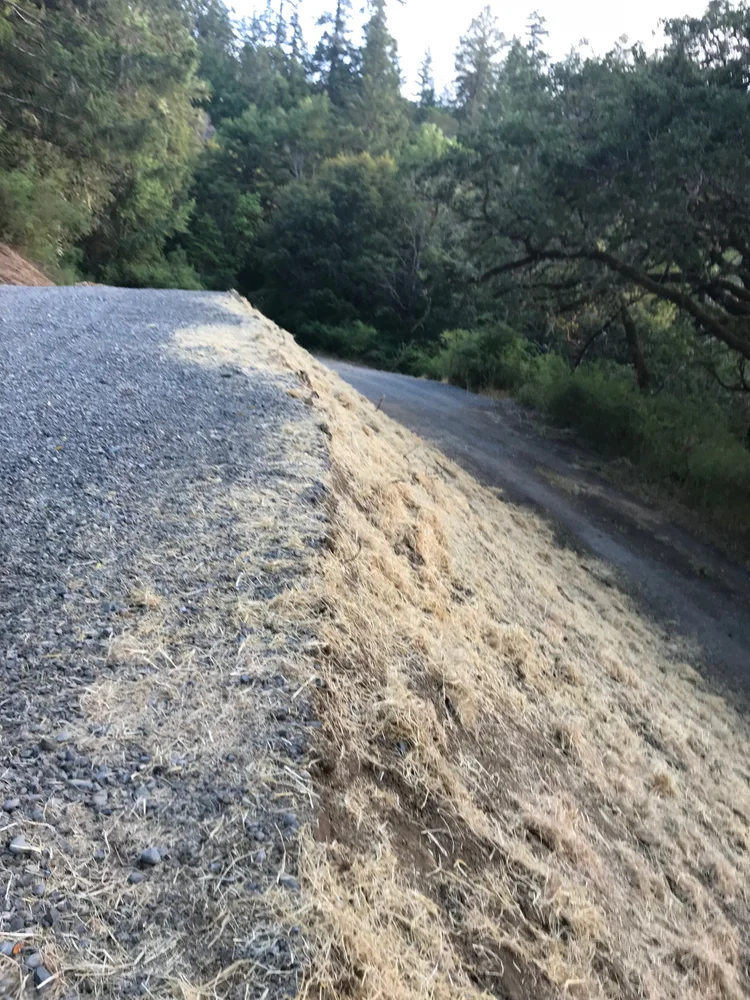
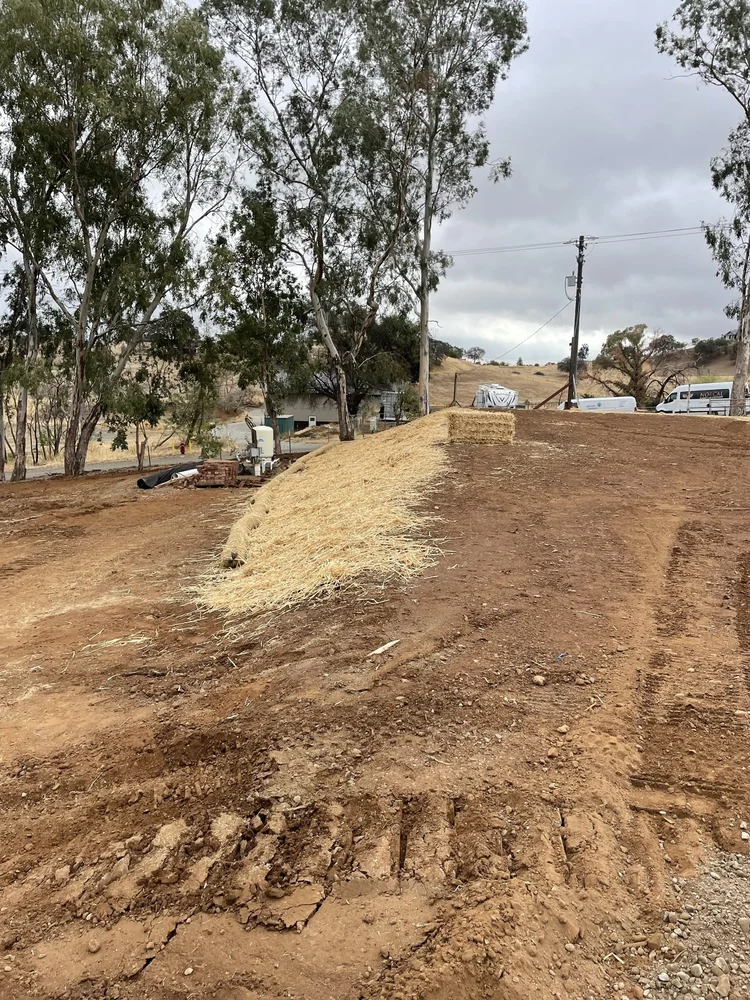
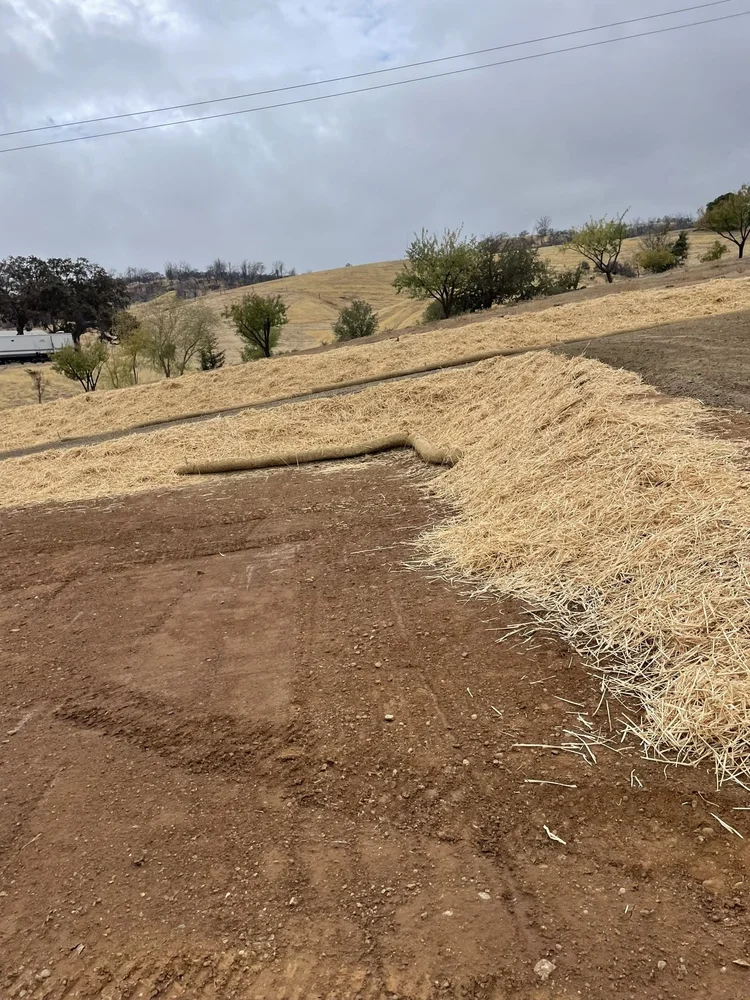
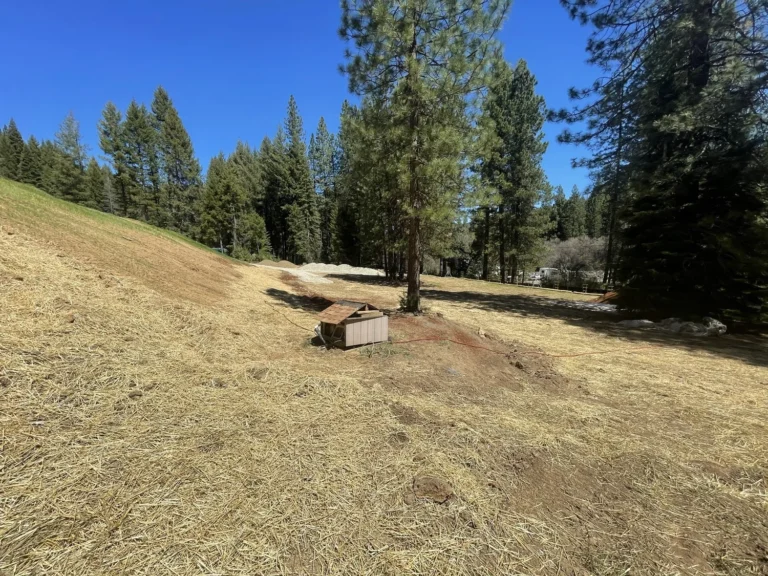
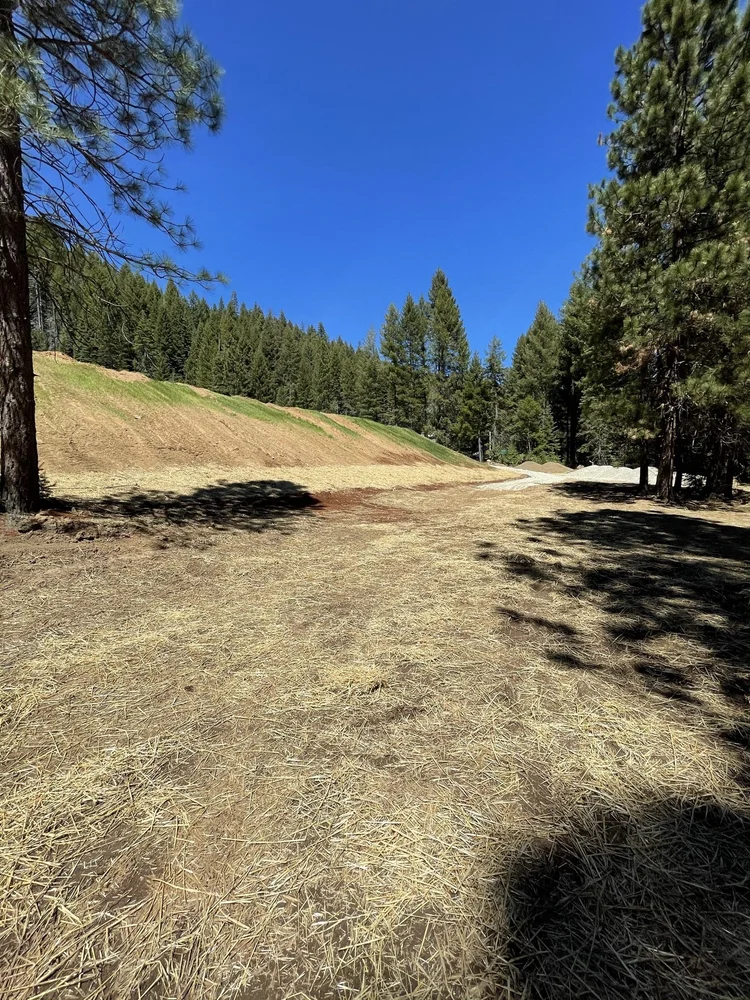
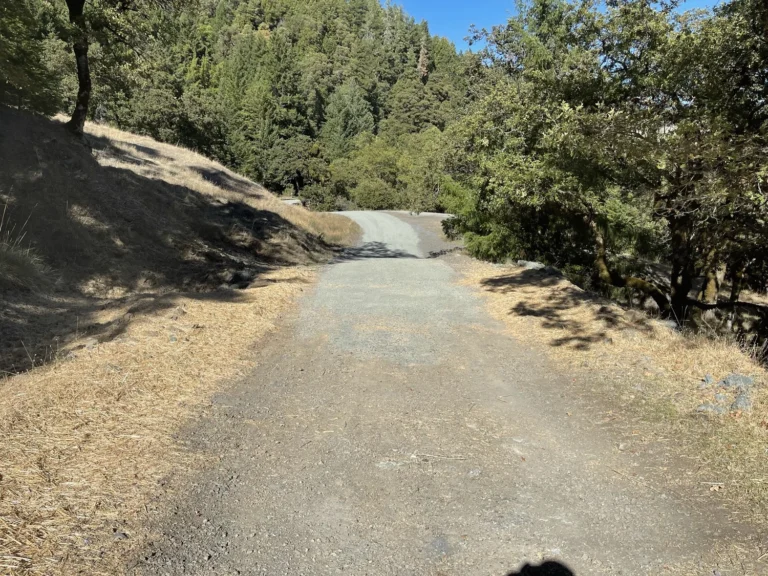
- Hillside Stabilization — Hay, seed, biorolls, and engineered measures to prevent soil movement on slopes. Approach is matched to slope angle, soil type, and exposure.
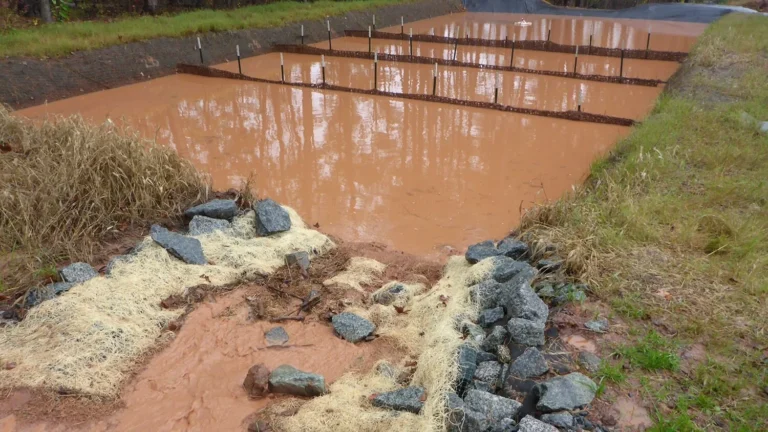
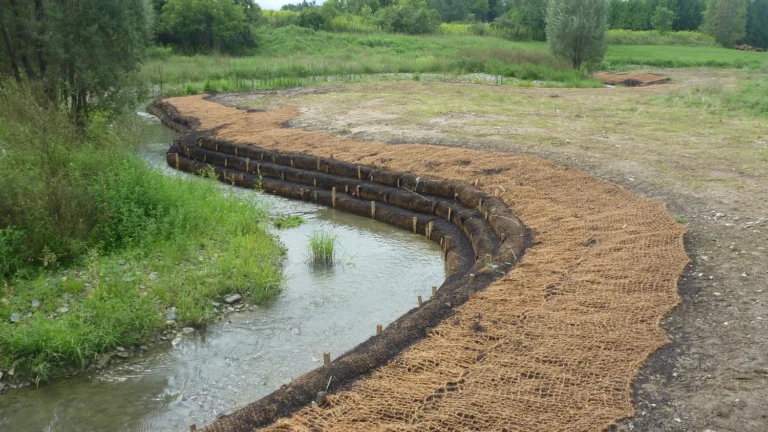
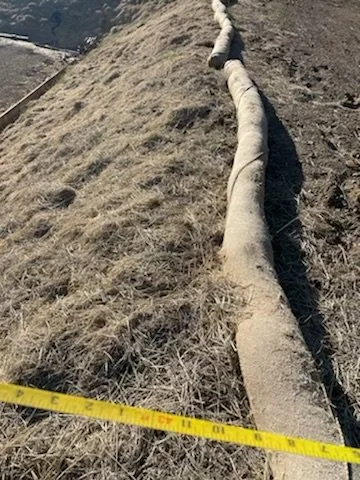
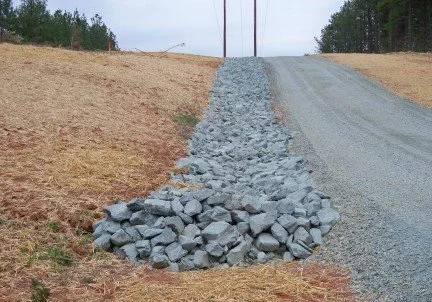
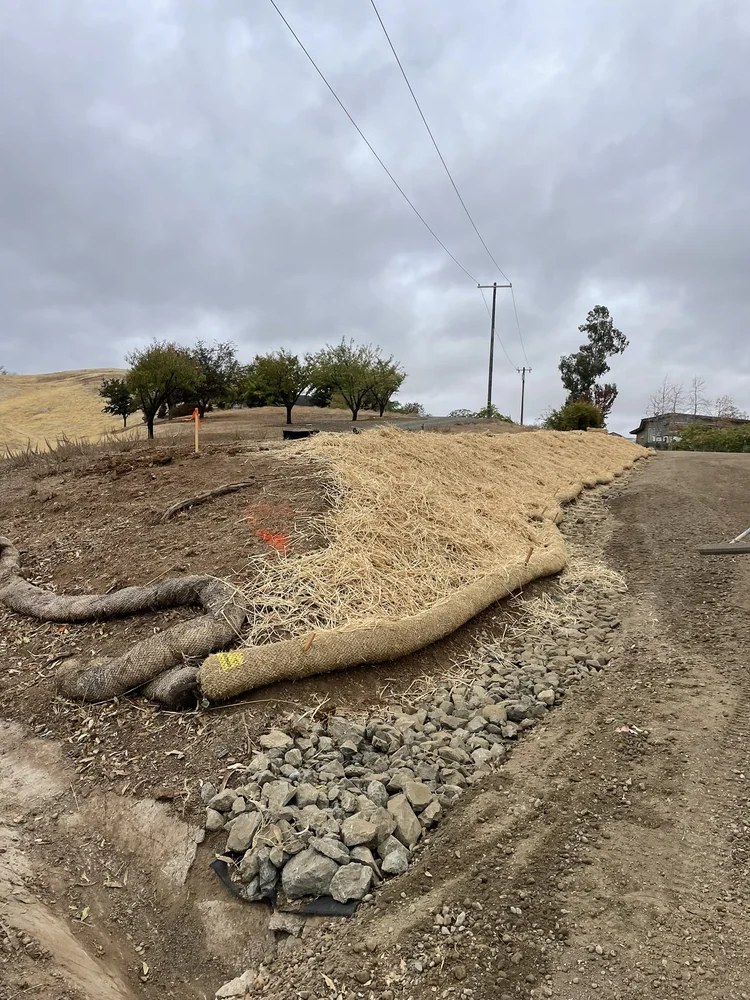
- Sediment Control Measures — Bio logs, inlet protection, check dams, and sediment basins to manage runoff and keep soil on-site during rain events.
- Erosion Control Matting — Coconut fiber mats, filtration fabric, and other materials that protect bare soil while vegetation establishes. Appropriate for slopes where seed alone won't hold.
- Seeding & Vegetative Solutions — Strategic seeding programs to establish root systems that provide long-term erosion resistance. Species selection considers local conditions and fire-risk areas.
- Stormwater Compliance Support — Assistance with SWPPP implementation, BMP installation, and site inspections required under California's Construction General Permit.
- Post-Construction Stabilization — Transitioning a site from active construction BMPs to permanent erosion control and revegetation once grading is complete.
Why Erosion Control Timing Matters
The most common and costly erosion control mistake is waiting until a problem is visible. By the time you can see rilling, sediment runoff, or slope failure, significant material has already moved. In Sonoma County, the wet season can begin as early as October and deliver substantial rainfall quickly — including the kind of atmospheric river events that deposited over 12 inches in Santa Rosa in just three days in November 2024. Monterey County's coastal terrain means runoff moves fast and can reach sensitive waterways quickly.
Getting erosion control measures in place before the rainy season — or immediately following any significant grading — is the practical standard. DW Excavation works with project timelines to make sure protection is in place when it needs to be, not scheduled for after the first storm.
Erosion Control That Knows the Territory
Erosion control requirements and site conditions vary considerably across the California Central Coast. Soil composition affects how quickly erosion begins and how far material travels. Slope angle and aspect determine which stabilization methods will hold. Proximity to waterways and storm drains governs the regulatory requirements that apply. And the local climate — with its concentrated wet season and increasingly intense storm events — shapes the performance standard that any erosion control system needs to meet.
We've been working in Sonoma and Monterey counties since 2013, which means we know the specific conditions and regulatory environment in both areas. That's not a marketing claim — it shows up in how we scope projects, which BMPs we recommend for which sites, and how we time installation relative to the rainy season.
Northern Region — Sonoma County & Surrounding Areas
Sonoma County's clay-dominant soils are particularly vulnerable to erosion when disturbed. Clay holds together when dry but becomes unstable under saturation — and when it starts moving, it moves in bulk. Hillside and wine country parcels face additional complexity from wildfire history: burned slopes lose root structure and become highly erosion-prone during the first post-fire wet season. The county enforces stormwater control plans on projects over 1 acre, and SWPPP compliance is required under the state's Construction General Permit for most grading work.
- Clay soils — BMP selection matched to saturation behavior
- Post-fire slopes — priority stabilization for burned hillsides
- Stormwater control plans — required for disturbed areas over 1 acre
- Sonoma County permit coordination — grading and stormwater requirements
Southern Region — Monterey County & Central Coast
Monterey County's terrain ranges from the flat Salinas Valley — where wind and irrigation runoff drive erosion on agricultural land — to the steep slopes of the Carmel Valley and coastal hillsides where gravity and concentrated stormwater runoff are the primary risks. Coastal proximity adds sensitivity: runoff reaching Carmel River tributaries or Monterey Bay is subject to additional regulatory scrutiny. Agricultural properties frequently need erosion control integrated with irrigation and drainage systems rather than treated as a standalone scope.
- Coastal and hillside terrain — slope-specific stabilization methods
- Agricultural properties — erosion control integrated with irrigation systems
- Sensitive waterway proximity — additional regulatory requirements apply
- Monterey County permit coordination — grading and drainage documentation
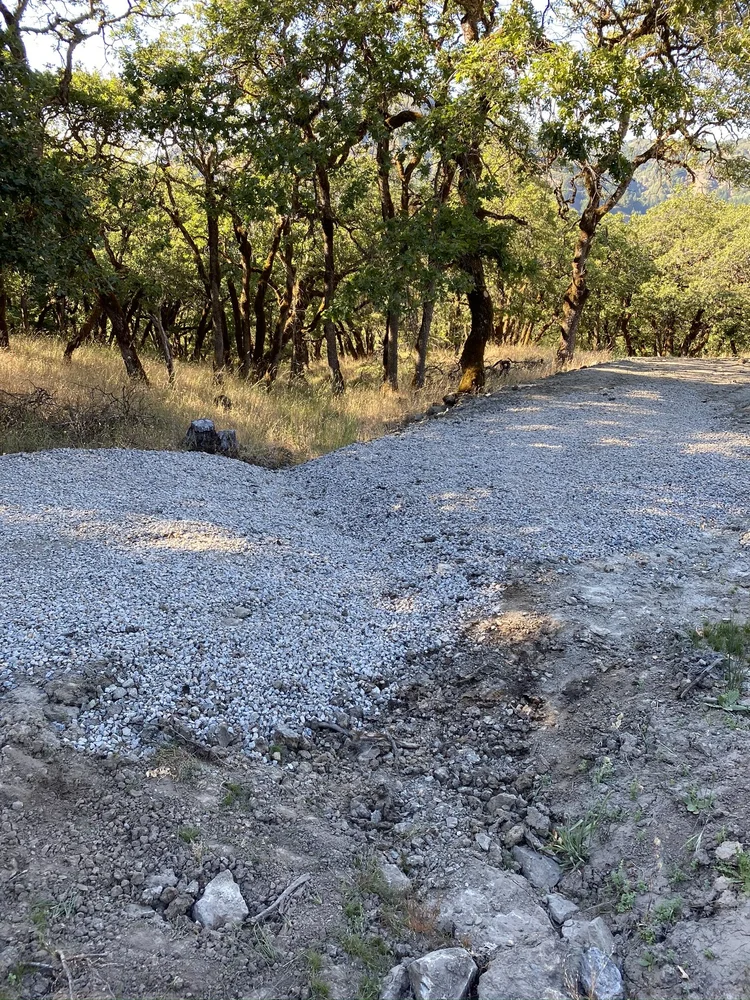
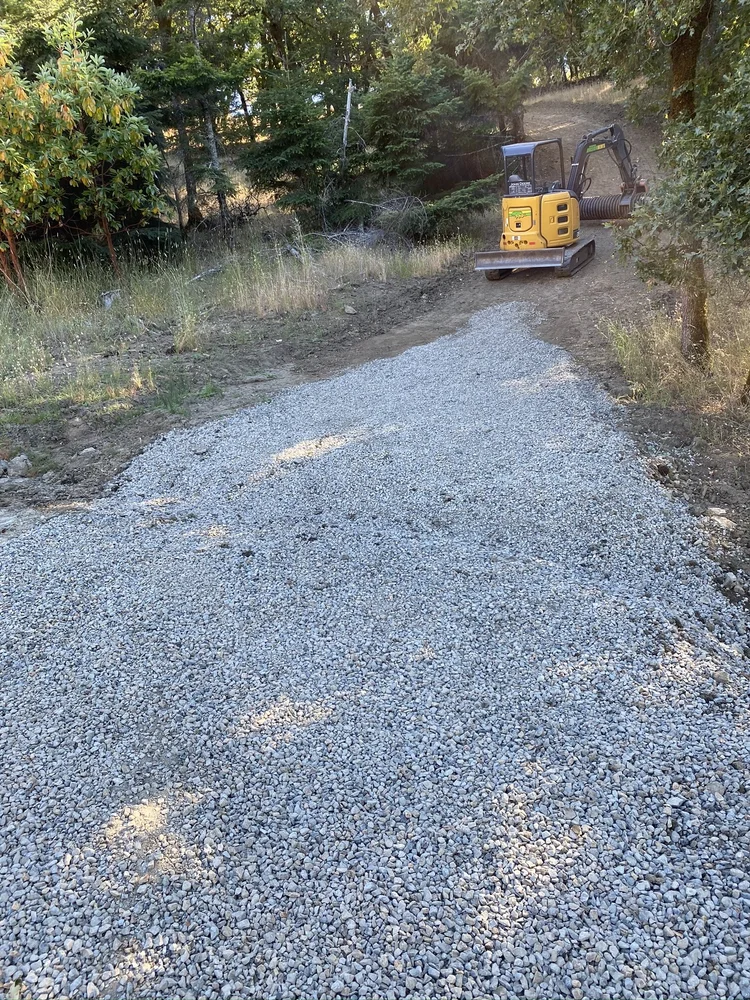
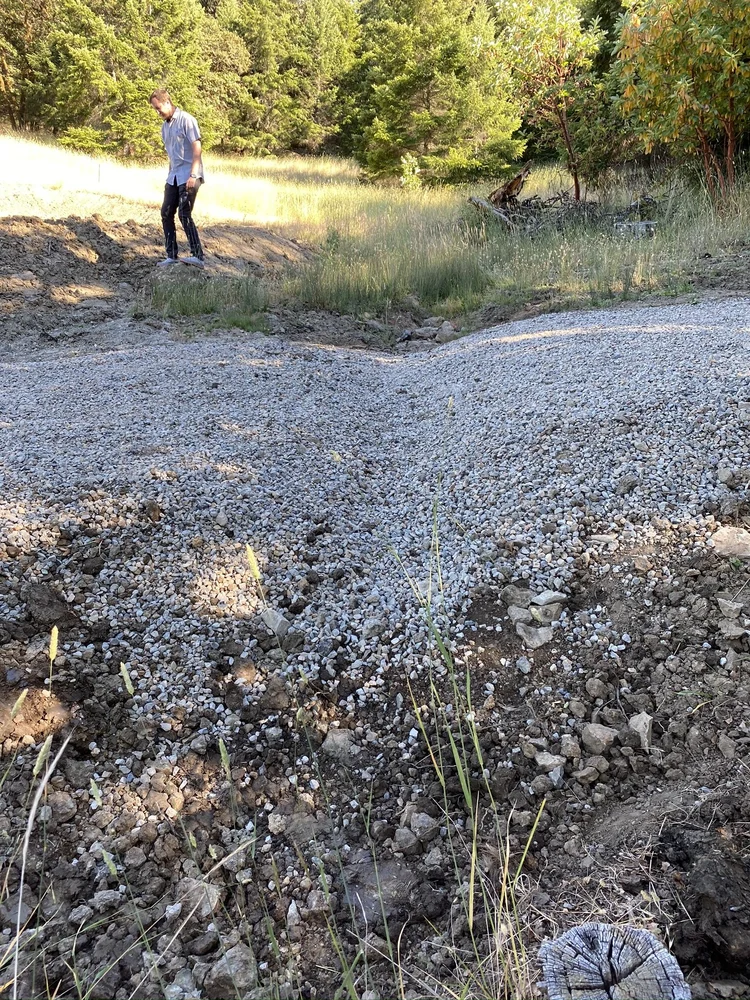
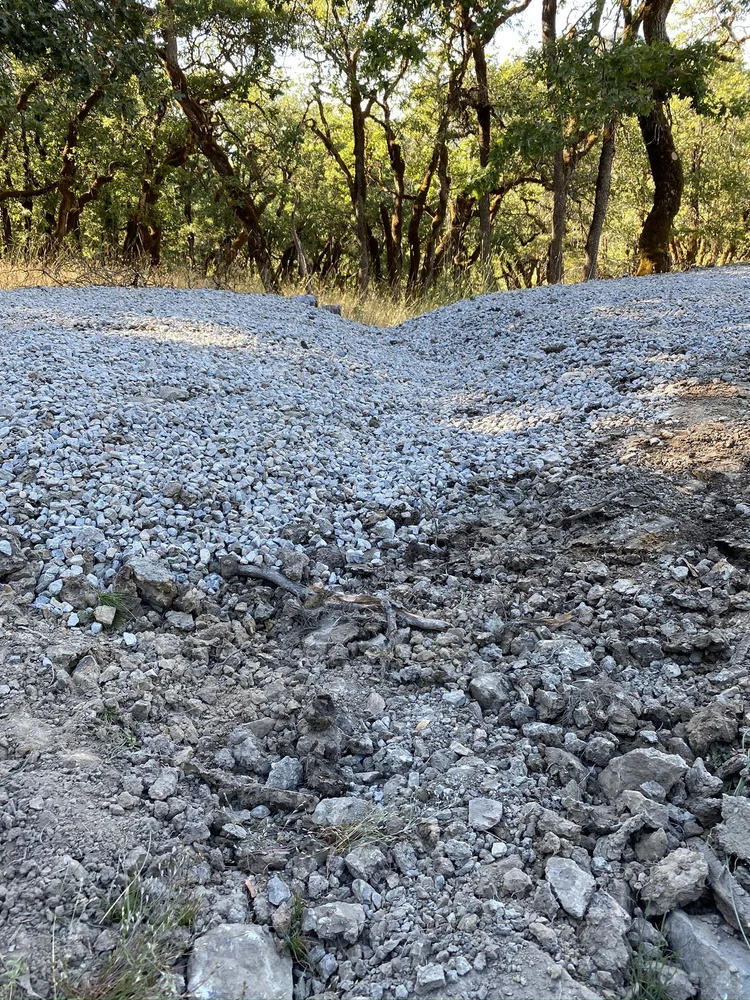
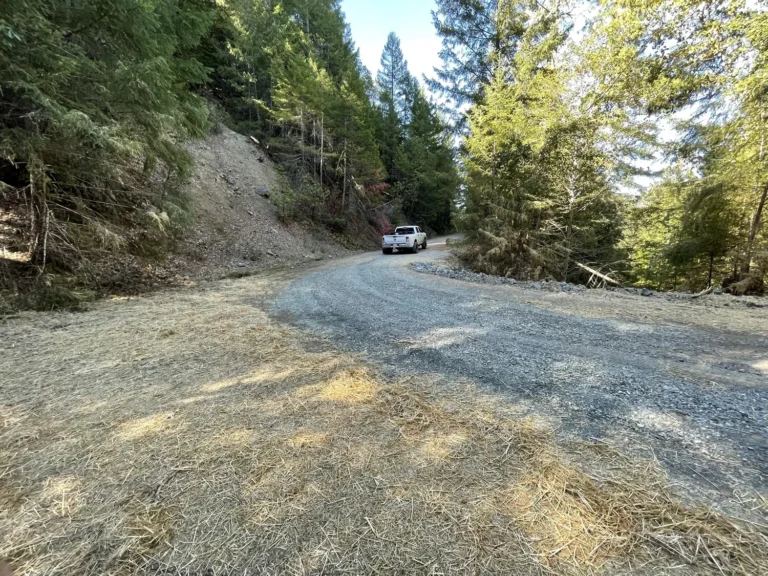
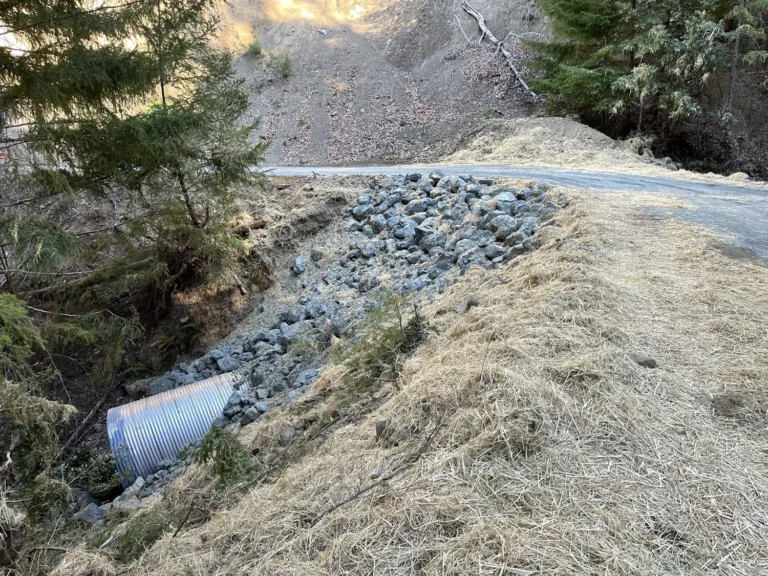
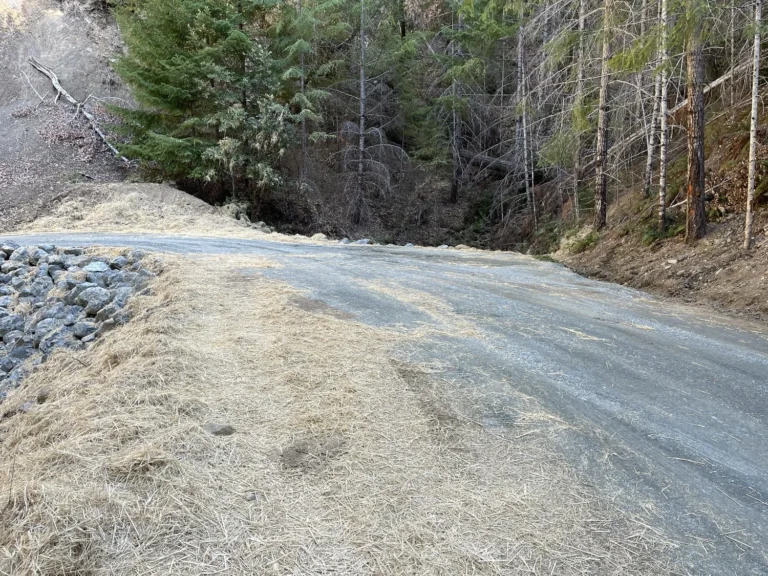
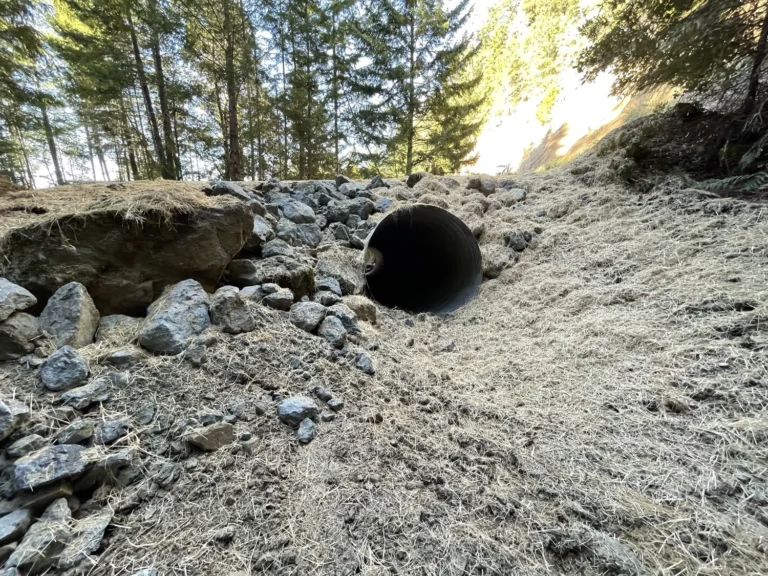
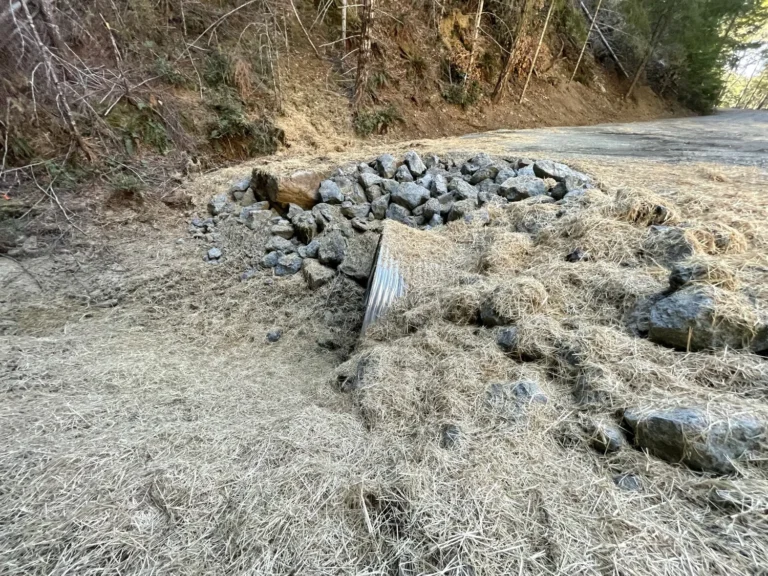
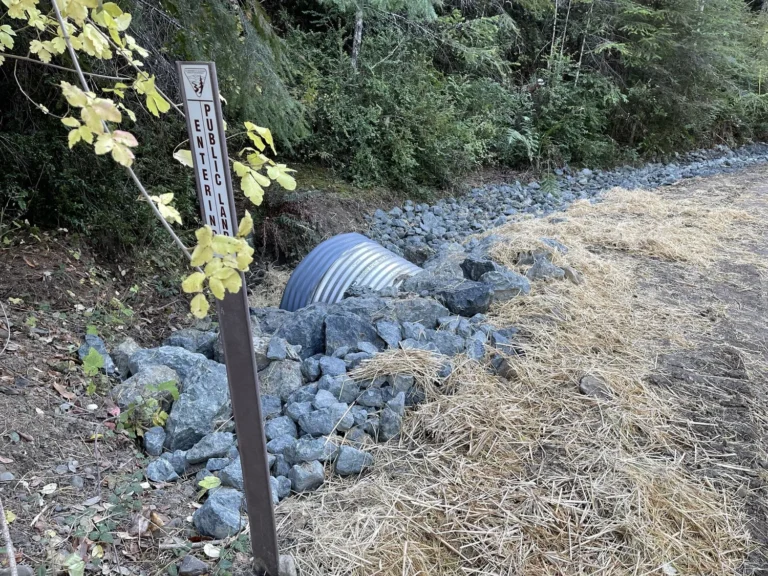
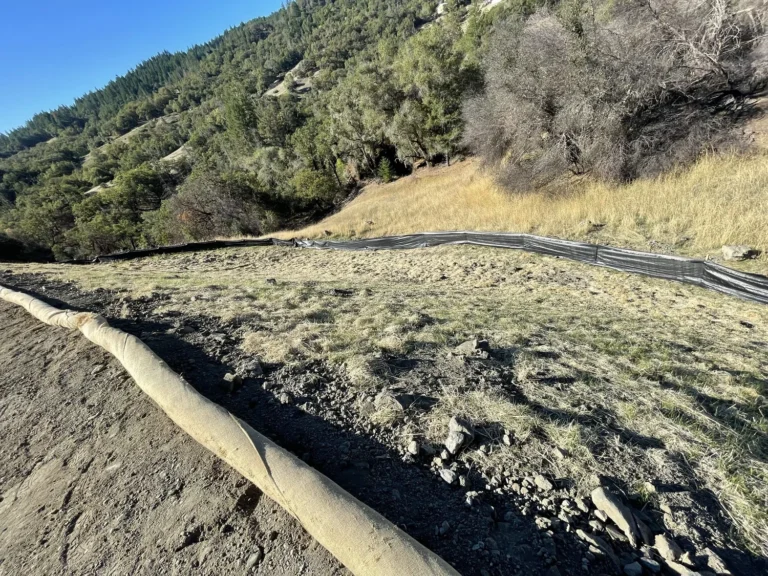
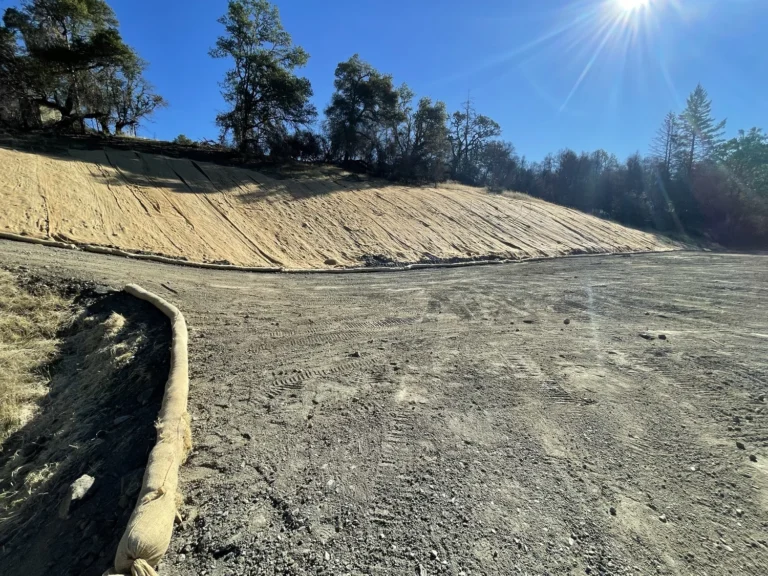
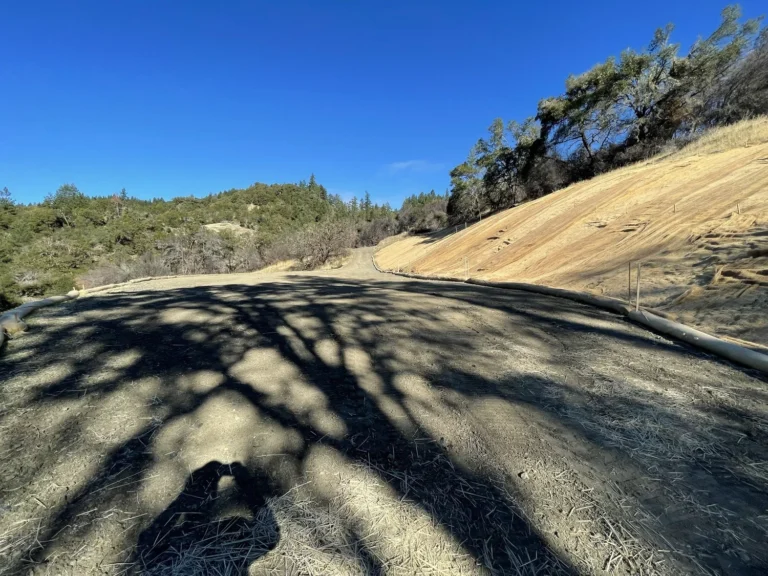
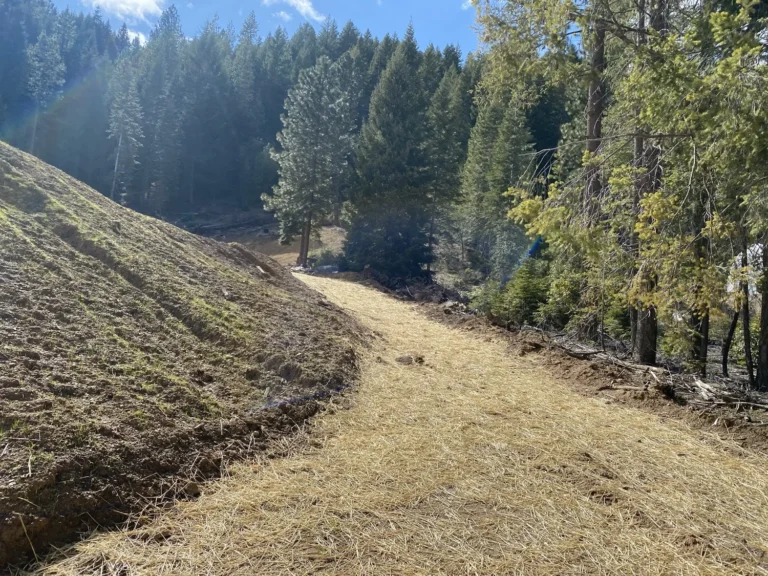
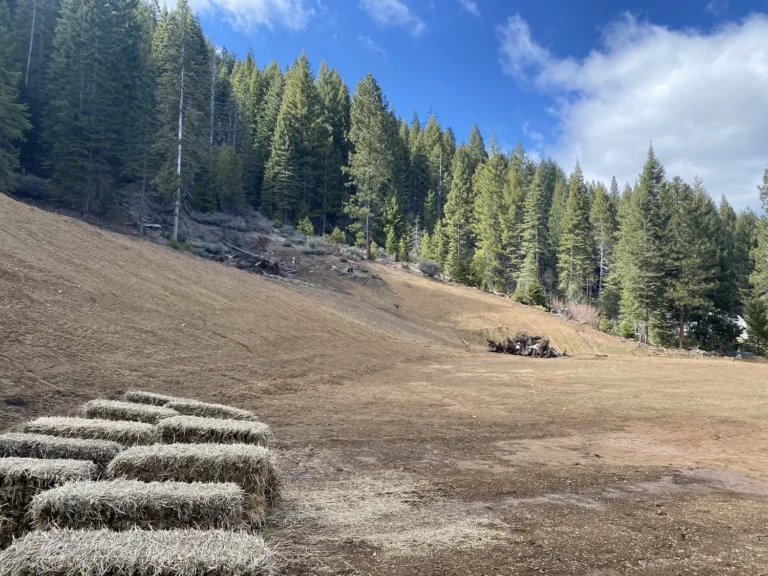
Erosion Control Project Work
Common Questions
Erosion control raises practical questions about timing, requirements, and what actually works in Central Coast conditions. Here are the ones we hear most often.
Call Us DirectlyWhen do I need erosion control on a construction or grading project? +
In California, erosion control BMPs (best management practices) are required on any project that disturbs soil and falls under a grading permit or the state's Construction General Permit. The Construction General Permit applies to projects disturbing 1 acre or more, requiring a SWPPP (Stormwater Pollution Prevention Plan) and active BMP implementation. Smaller graded projects under local county permits also typically require stormwater control measures as a permit condition. The practical answer: if you're moving earth, you need erosion control before the first rain — not after.
What is a SWPPP and do I need one? +
A SWPPP (Stormwater Pollution Prevention Plan) is a site-specific document required under California's Construction General Permit for projects disturbing 1 acre or more of soil. It identifies potential pollutant sources, maps drainage patterns, specifies which BMPs will be installed and where, and establishes an inspection and maintenance schedule. Projects under 1 acre don't require a formal SWPPP but do need to implement erosion and sediment controls under local county requirements. DW Excavation can assist with BMP installation that supports your SWPPP's requirements — we recommend coordinating with a qualified SWPPP preparer for the planning document itself.
What's the difference between erosion control and sediment control? +
These terms are related but distinct. Erosion control prevents soil from detaching and moving in the first place — through vegetation, mulch, matting, or physical covers that protect bare soil from rain impact and runoff. Sediment control captures soil that has already moved and prevents it from leaving the site — through silt fences, sediment basins, inlet protection, and biorolls. A complete erosion control program uses both: you protect the soil surface where you can, and you catch what escapes before it reaches a drain or waterway. Most regulatory requirements address both categories.
How long does hydroseeding take to establish? +
Initial germination typically occurs within 7–14 days under good conditions — adequate moisture, moderate temperatures, and appropriate seed mix selection for the site. Meaningful root establishment that provides erosion resistance usually takes 4–6 weeks. For this reason, hydroseeding works best when applied early enough in the season to allow establishment before heavy rain arrives. If you're close to the rainy season and don't have time for vegetation to establish, physical measures like matting or erosion control blankets should be used alongside or instead of seeding until roots can develop.
Do burned hillsides need special erosion control treatment? +
Yes — significantly so. Wildfire removes the vegetation and root structure that holds soil in place, and fire-burned soils often develop a hydrophobic layer that causes runoff rather than absorption. This makes burned slopes among the highest-risk erosion sites, particularly in the first one to two post-fire wet seasons. Treatment typically involves emergency stabilization measures immediately after fire (mulching, erosion control blankets), followed by hydroseeding and longer-term revegetation. In Sonoma County, where wildfire history includes major events across the wine country, we have direct experience with post-fire erosion control scoping and implementation.
Can erosion control be installed in wet or rainy conditions? +
Some measures can be installed in wet conditions — silt fencing, biorolls, and inlet protection don't require dry ground. Others, like hydroseeding and erosion control matting, work best on dry or damp (not saturated) soil. The key issue is that saturated clay soils in Sonoma County become unstable under equipment, and working in standing water creates its own compliance issues. Where possible, we strongly recommend getting measures in place before the wet season begins rather than trying to install them during active rain events. If a project is caught without protection when rain arrives, we prioritize the measures that can be safely deployed immediately.
What happens if my site causes sediment runoff to a neighboring property or storm drain? +
Sediment discharge from a construction site to a storm drain, waterway, or adjacent property can trigger enforcement action from the Regional Water Quality Control Board, the county, or both. Depending on the discharge volume and receiving water sensitivity, penalties can be substantial — and you may be required to clean up deposited sediment at your own expense. More practically, it creates neighbor and liability issues that are far more disruptive than the cost of preventive measures. This is why proactive erosion control — not reactive cleanup — is always the right approach.
How do I get erosion control services scheduled before the rainy season? +
Contact us as early as possible — ideally by late summer or early fall for the upcoming wet season. We schedule erosion control work around active grading projects and can coordinate with your general contractor or project manager to ensure measures are in place at the right project phases. Call (707) 601-9091 or use the contact form on this page to discuss your project timeline.
Does erosion control matting work on steep slopes? +
Yes, when correctly specified and installed. Erosion control blankets and mats are designed for slope applications and are rated by slope steepness and expected rainfall intensity. Coconut fiber mats (coir) are commonly used on steeper slopes because they're dense enough to protect soil while allowing vegetation to establish through the mat. On very steep grades, additional anchoring and sometimes mechanical reinforcement is needed. The selection of matting type, anchor pattern, and whether to combine it with seeding or other measures depends on the specific slope and exposure — which we assess during a site visit.
What does an erosion control site assessment involve? +
We visit the site and evaluate slope angles, soil type, drainage patterns, proximity to storm drains or waterways, project phase and timing, and any specific permit conditions that apply. From that we develop a scope of erosion control measures appropriate for the site conditions and regulatory requirements. The assessment is the starting point for accurate pricing and scheduling — remote quoting from photos or parcel maps is possible for a rough estimate, but a site visit gives you a number you can rely on. Call (707) 601-9091 to schedule.
Protect Your Site Before
the Rains Arrive
DW Excavation provides erosion control and sediment management across Sonoma and Monterey counties — licensed, experienced, and familiar with the local conditions and regulatory requirements that govern this work. Call to schedule a site assessment or use the form to get started.
Sources
- California Construction General Permit (CGP) — waterboards.ca.gov
- Sonoma County Grading & Stormwater — permitsonoma.org
- Monterey County Grading Permits — countyofmonterey.gov
- National Weather Service — November 2024 Atmospheric River Event — weather.gov
- Stanford University — Clusters of Atmospheric Rivers and California Storm Damages — news.stanford.edu