Septic & Trenching
Services
From new septic system installation to underground utility trenching and final surface restoration — complete below-grade infrastructure work across the California Central Coast.
Homepage Short Form
Septic & Trenching Services for Residential, Agricultural & Commercial Properties
Underground infrastructure is the part of a property no one thinks about until something goes wrong. A septic system that wasn't sized or installed correctly, a utility trench that wasn't bedded properly, or a leach field that wasn't designed for the soil conditions — these problems surface months or years after the work is done, and fixing them is expensive. DW Excavation has been doing septic and trenching work across the California Central Coast since 2013. We approach every project with the understanding that what's underground needs to last.
Our work spans the full project lifecycle: site assessment, USA locate coordination, excavation, system installation, pipe procurement, backfill and compaction, and final surface reclamation. Whether you're installing a new septic system on a rural Sonoma County parcel, running utility trenches for a residential development in Monterey County, or replacing aged infrastructure anywhere along the Central Coast, we have the experience and equipment to do it correctly.
Our Septic & Trenching Services Include
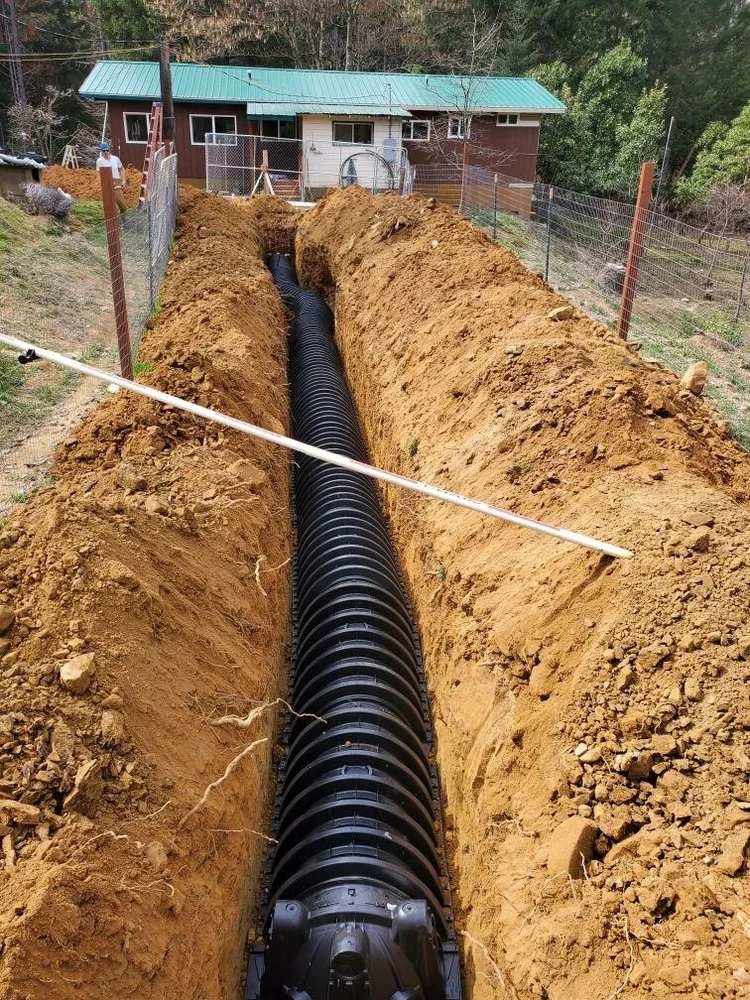
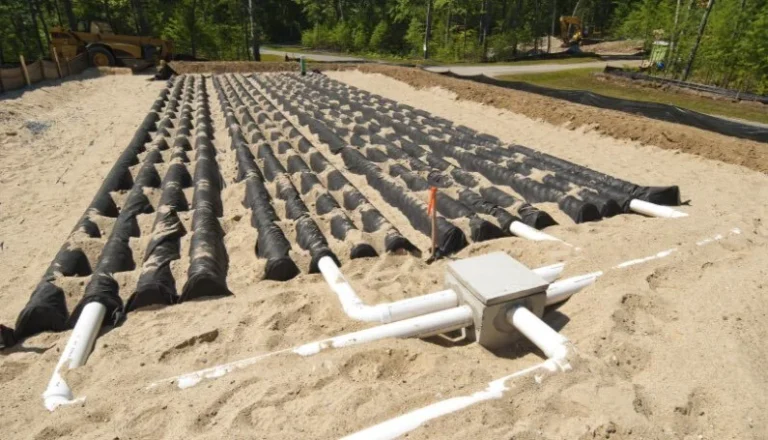
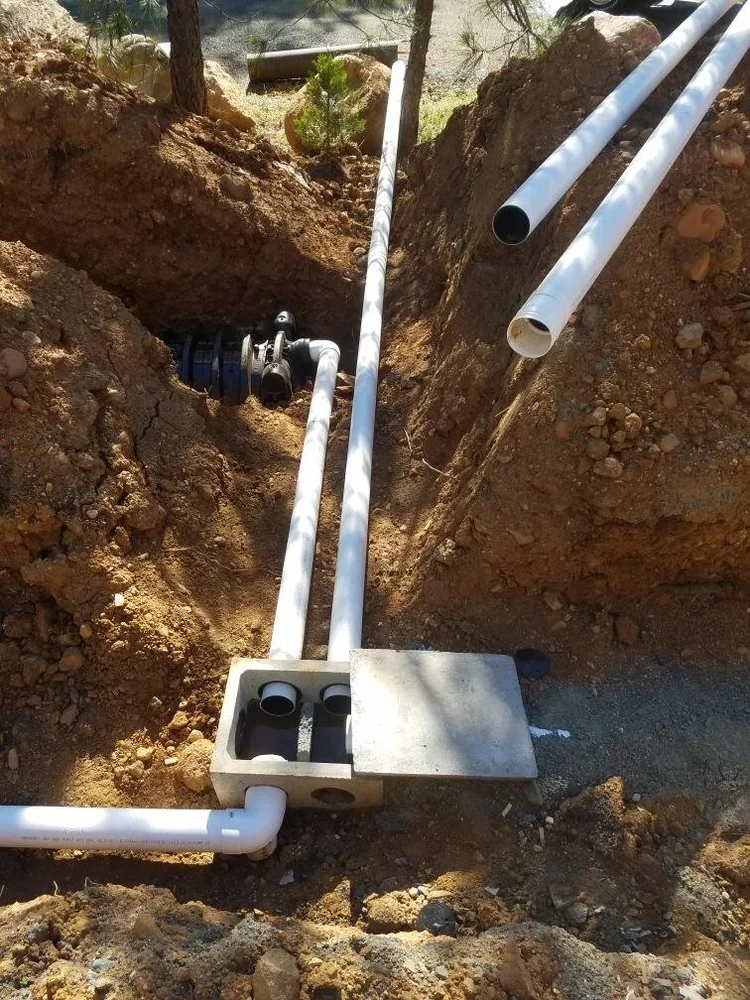
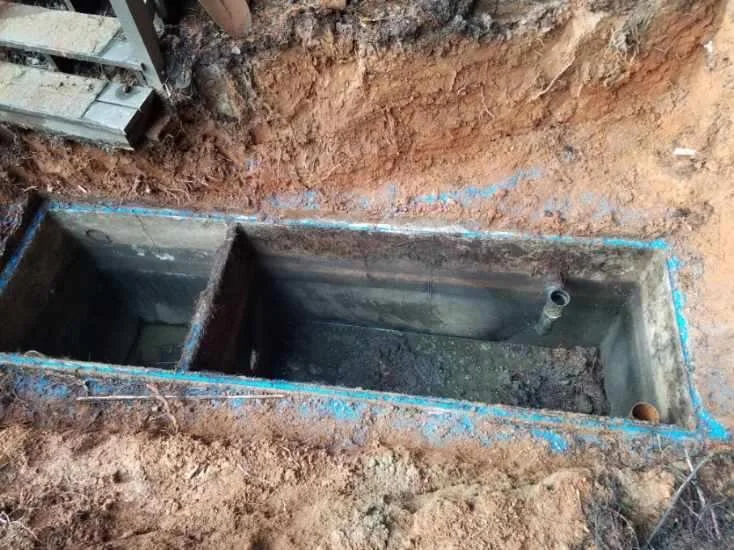
- Septic System Installation — New septic tank and leach field installation for residential, agricultural, and light commercial properties. Sized and designed to meet county environmental health requirements and site-specific soil conditions.
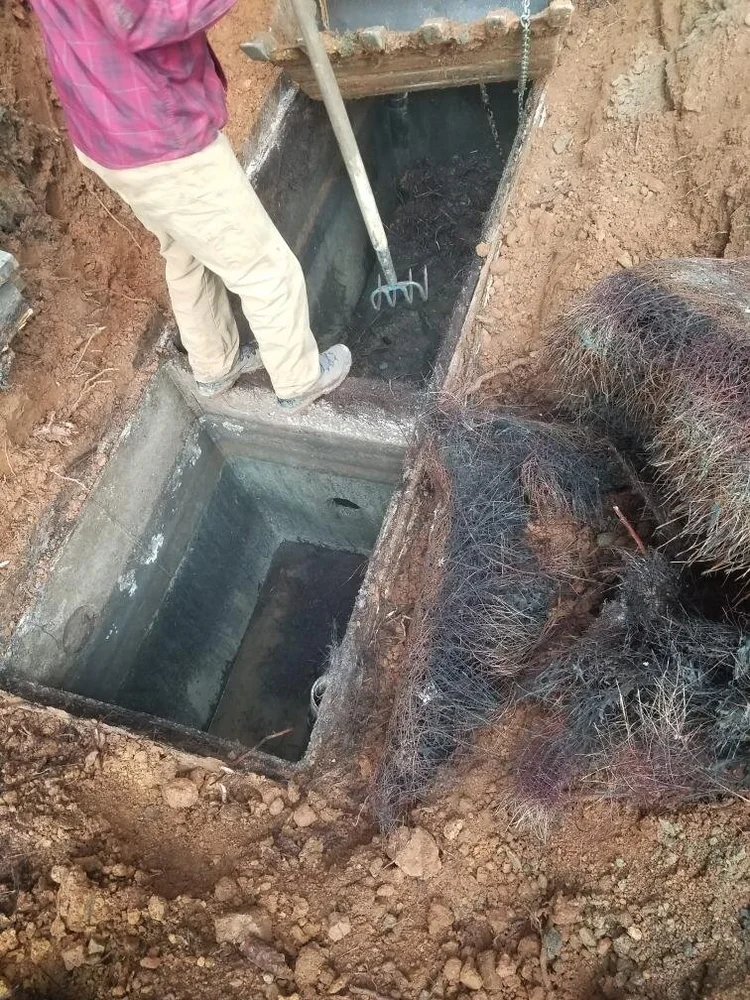
- Septic System Repair & Replacement — Excavation and replacement of failed or aging systems. We assess existing infrastructure before committing to a scope, so you're not paying to replace components that don't need it.
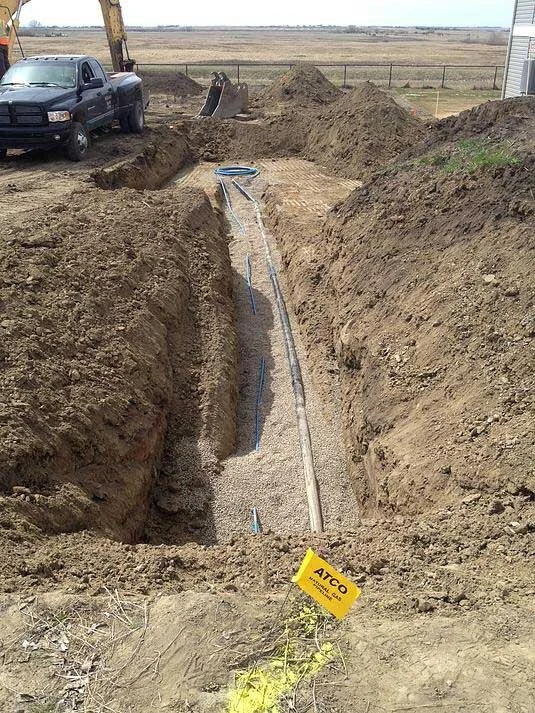
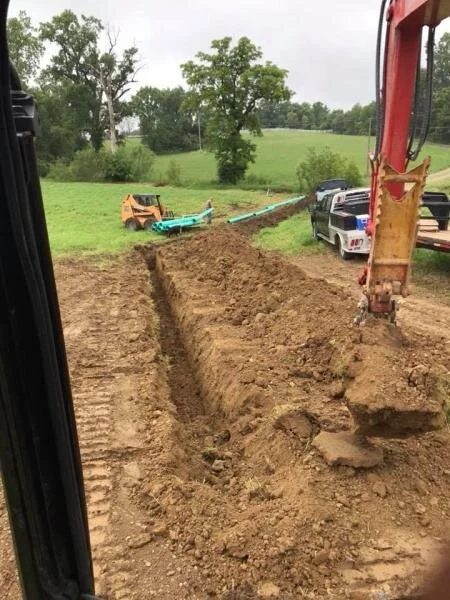
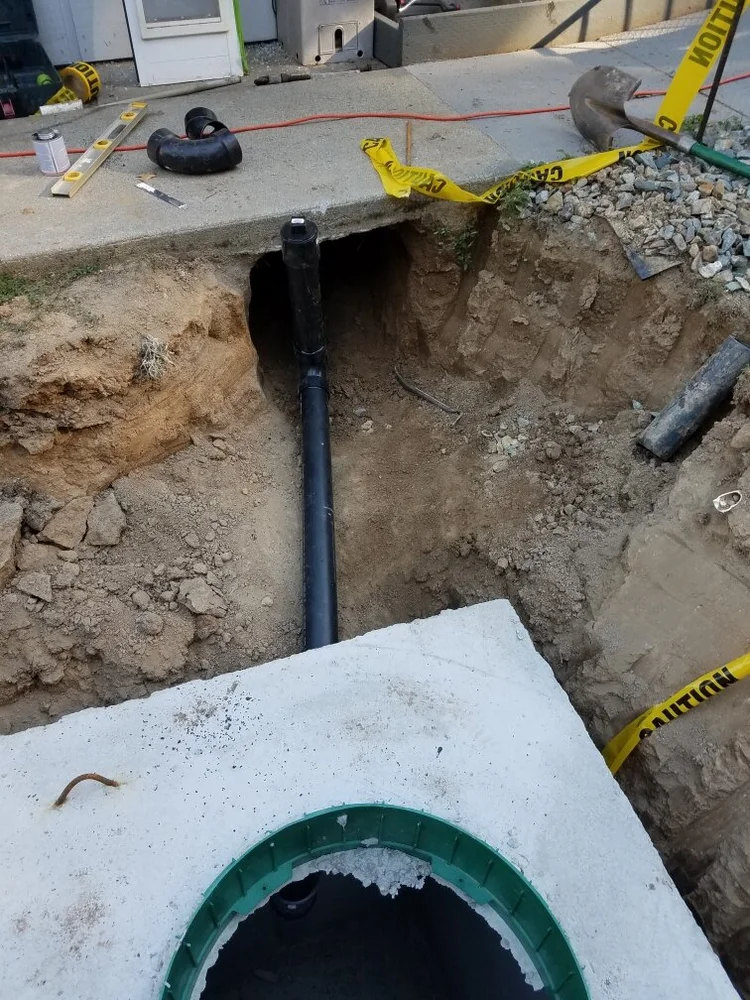
- Utility Trenching — Precision trenching for water lines, sewer laterals, electrical conduit, telecommunications, and gas lines. Trench depth, width, and bedding are matched to the utility type and local code requirements.
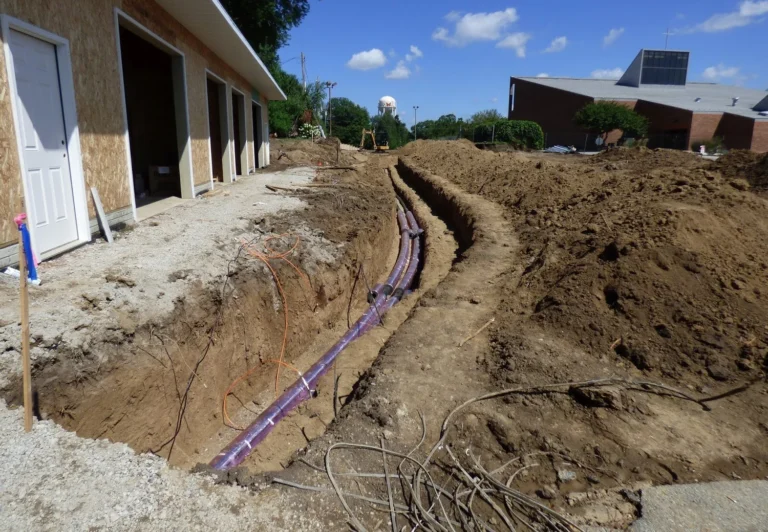
- Joint Trenching — Coordinated installation of multiple utilities in a single trench where project scope and local regulations allow — reducing site disturbance, surface reclamation cost, and project timeline.
- Pipe Procurement & Installation — We source quality materials appropriate for the application — PVC, HDPE, ABS, and other approved pipe types — and install them to specification. No cut corners on material quality or bedding.
- Underground Utility Installation — Water service connections, sewer laterals, irrigation mainlines, and other below-grade systems requiring careful excavation, proper bedding, and pressure testing before backfill.
- Final Surface Reclamation — Backfill, compaction, and restoration of disturbed surfaces to their original condition or better. This includes reseeding, gravel replacement, or paving prep as required by the project.
- USA Locate Coordination — We manage all required underground utility locate requests through California's Underground Service Alert system before any excavation begins. This is non-negotiable — hitting an unmarked line costs time, money, and creates safety hazards.
The Importance of Getting Underground Work Right the First Time
Trenching and septic work is among the most difficult and expensive to fix after the fact. Backfill settles, surfaces are restored, landscaping grows back — and then a failed system or improper installation has to be excavated again at full cost. The most common causes of failures we see are: inadequate bedding material for the pipe type, leach fields designed for the wrong soil classification, insufficient compaction after backfill, and utility connections that weren't properly sealed or pressure tested.
We take the time at each phase to do it correctly — because the goal isn't just to pass an inspection. It's to install infrastructure that functions reliably for the life of the property, across Sonoma County, Monterey County, and throughout the California Central Coast.
Septic & Trenching That Knows the Territory
Septic and trenching conditions vary significantly across the California Central Coast. Soil type affects pipe bedding requirements, leach field design, and how quickly a trench can be safely excavated and backfilled. Groundwater levels determine the depth limits for certain installations and whether dewatering is needed. Rocky terrain requires different equipment than soft alluvial soils. And the regulatory environment differs between counties — Sonoma, Monterey, and the other Central Coast counties each have their own permitting offices, inspection schedules, and requirements for environmental health approvals on septic work.
We've been working across this territory since 2013. That experience shows up in how we assess projects before committing to a scope, how we sequence the work to avoid problems, and how we coordinate with the permitting offices that govern this work throughout Sonoma County, Monterey County, and the broader California Central Coast.
Northern Region — Sonoma County & Surrounding Areas
Sonoma County's wine country terrain presents a mix of conditions for septic and trenching work. Clay soils dominate many valley floor and hillside areas, which affects leach field sizing and design — clay drains slowly, requiring larger or alternative systems to meet county environmental health standards. Older rural properties throughout the county often have aged septic systems approaching the end of their functional life, particularly where they were originally sized for fewer occupants than current use. We work throughout Sonoma County and its incorporated cities and are familiar with the permit process through both the county Environmental Health department and city building departments.
- Clay soils — leach field design accounts for slow percolation rates
- Aging rural systems — assessment before replacement to right-size the scope
- Agricultural properties — long service runs and irrigation mainline work
- Sonoma County Environmental Health coordination — permits and inspections
Southern Region — Monterey County & Central Coast
Monterey County's range of terrain — from the Salinas Valley floor to coastal hillsides and the Carmel Valley — means septic and trenching conditions vary considerably depending on where the project is located. Agricultural properties in the Salinas Valley frequently need irrigation mainlines, water supply systems, and waste connections running long distances from service points. Coastal and hillside properties deal with the challenges of rocky terrain, limited flat area for leach field placement, and in some areas, proximity to sensitive waterways that adds regulatory scrutiny. We work throughout Monterey County and the broader California Central Coast region.
- Agricultural properties — irrigation mainlines, water supply and waste systems
- Coastal and hillside terrain — rocky excavation and constrained leach field areas
- Sensitive waterway proximity — additional regulatory requirements for septic systems
- Monterey County Environmental Health coordination — permits and inspections
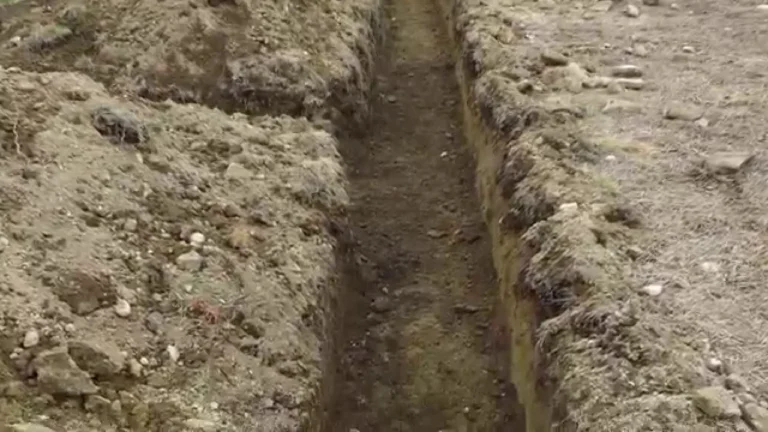
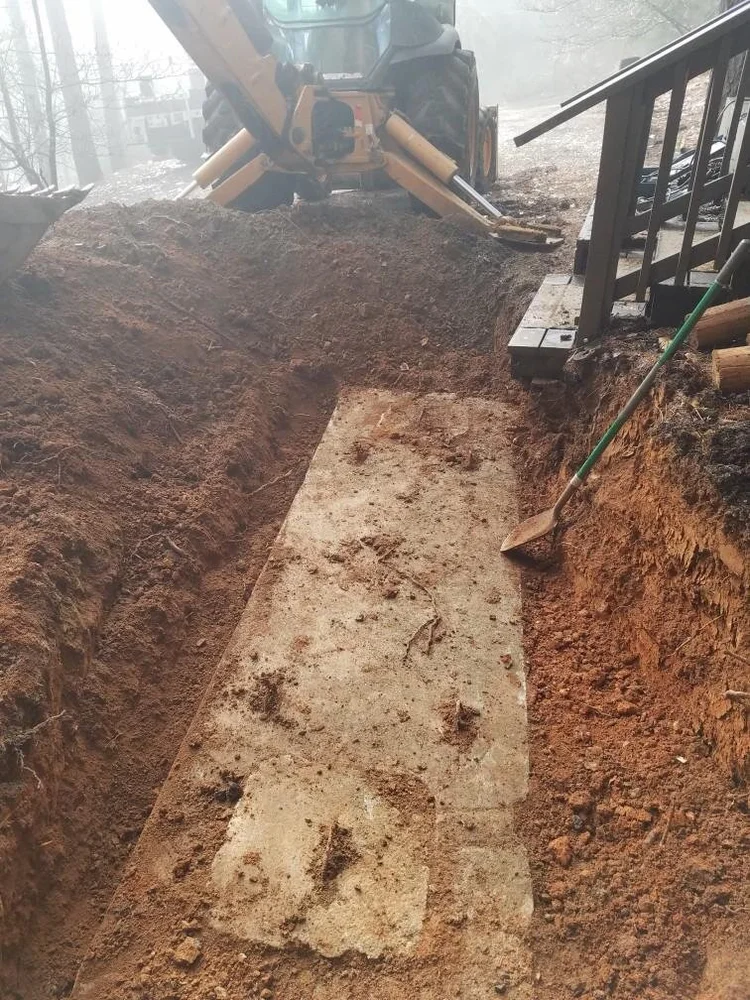
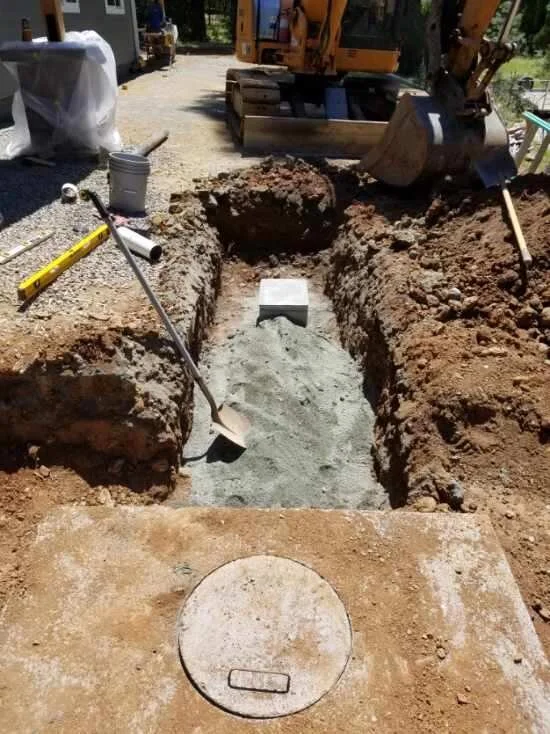
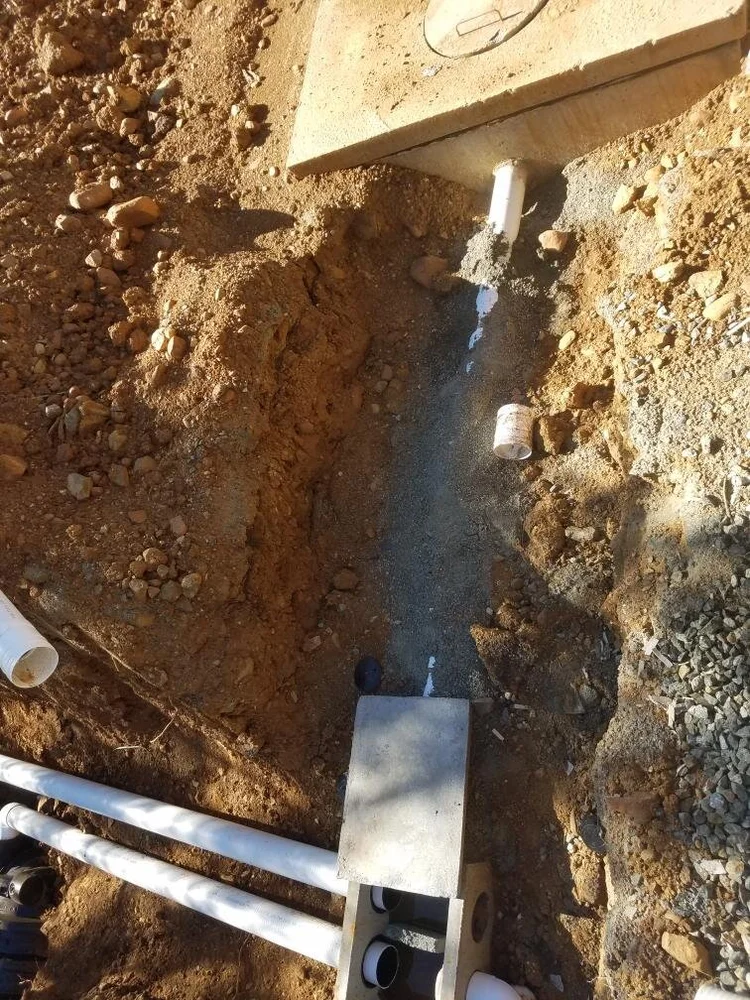
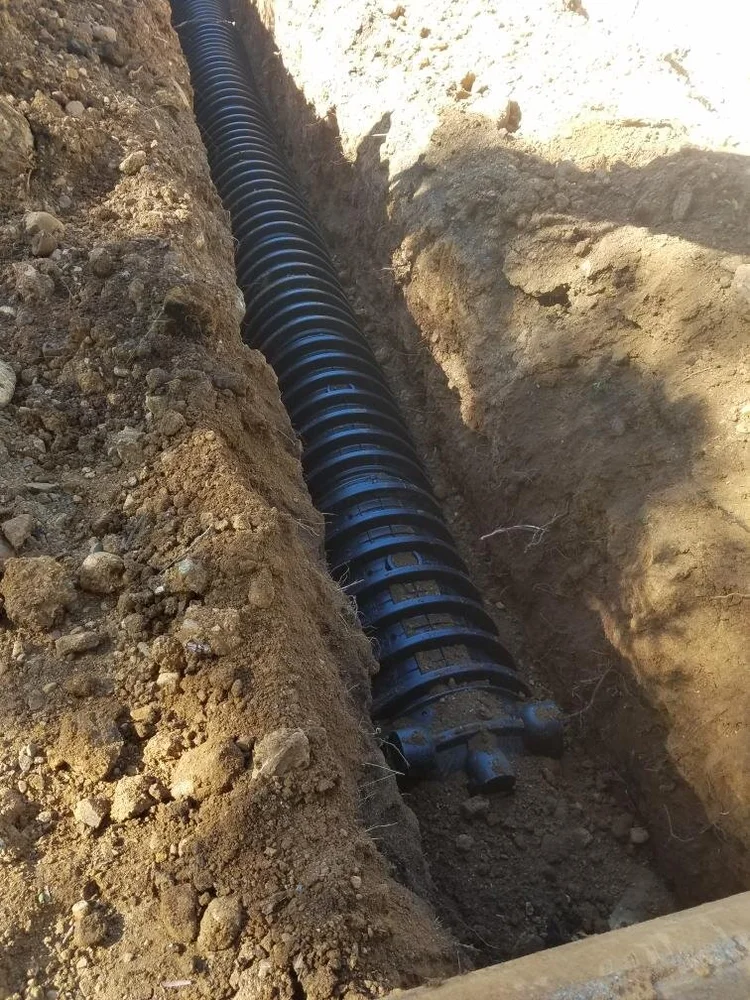
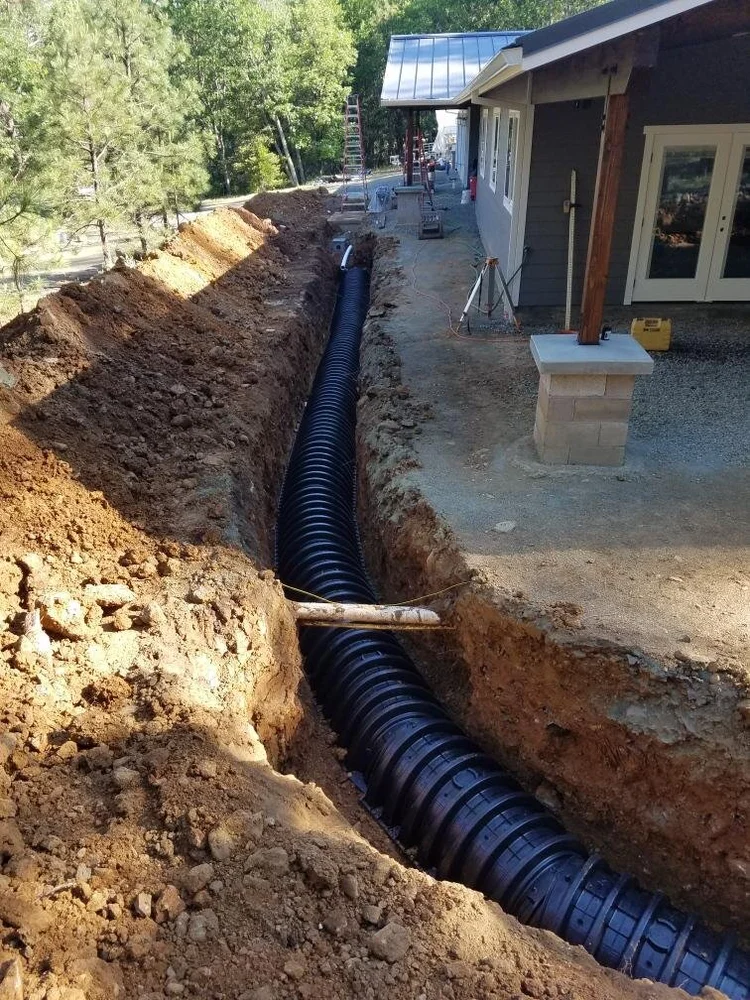
Septic & Trenching Project Work
Common Questions
Septic and trenching projects raise practical questions about permits, timelines, and what's actually involved. Here are the ones we hear most often from property owners across the California Central Coast.
Call Us DirectlyWhat permits are required for a new septic system in Sonoma or Monterey County? +
In both Sonoma and Monterey counties, new septic system installation requires a permit from the county Environmental Health department. The process typically involves a site evaluation (including a percolation test or soil morphology review), a system design review, permit issuance, installation, and a final inspection before the system can be placed into service. Some municipalities within these counties also require a separate building or plumbing permit. The timeline from application to permit can range from a few weeks to several months depending on the county's workload and the complexity of the site. We've been through this process many times across the California Central Coast and can help you understand what to expect for your specific parcel.
How long does a septic system installation typically take? +
The physical installation — once permits are in hand — typically takes two to five days for a standard residential system. That includes excavation, tank placement, leach field installation, backfill, and surface restoration. More complex systems (alternative designs, mound systems, large-capacity systems for agricultural use) take longer. The permit process is usually the longest part of the timeline. For planning purposes, count on at least six to twelve weeks from when you initiate the permit process to when installation can begin, though this varies significantly by county and season.
How deep are utility trenches typically dug? +
Trench depth depends on the utility type and applicable code requirements. Water service lines in California are typically installed at 18 to 24 inches minimum depth for frost protection, though in Central Coast climates where freezing is not a significant concern, local inspectors sometimes accept shallower installations. Sewer laterals are typically installed at the depth required to achieve proper slope to the connection point — this can vary considerably. Electrical conduit depth depends on whether it's direct burial cable or conduit, and whether it's under a paved surface. We assess each project and trench to the depth required by the specific utility and applicable codes.
What is joint trenching and when does it make sense? +
Joint trenching places multiple utilities — water, power, telecommunications, gas — in a single trench rather than separate trenches for each. When local codes and utility company requirements allow it, this approach reduces total site disturbance, cuts the cost of excavation and surface restoration, and shortens the project timeline. It requires careful coordination between utility types (separation distances, bedding requirements, and inspection timing all need to align), but for new development projects or major property infrastructure upgrades, it's often the most efficient approach. We'll advise you on whether joint trenching is feasible for your specific project scope and location.
How do I know if my existing septic system needs to be replaced? +
Common signs that a septic system is failing include: slow drains throughout the house (not just one fixture), sewage odors inside or outside the home, wet or unusually lush areas over the leach field, sewage surfacing in the yard, or a backup through floor drains or the lowest fixture in the home. Some failures are gradual and don't produce dramatic symptoms until the system is significantly compromised. If your system is more than 25 to 30 years old, hasn't been pumped regularly, or was originally installed on a property that's seen increased occupancy or water use, a professional assessment is a reasonable precaution. We can evaluate existing systems and give you an honest assessment of whether repair or replacement is the right call.
What is USA (Underground Service Alert) and why does it matter? +
California's Underground Service Alert (USA North 811) is the mandatory utility locate service that must be notified before any excavation. When you call 811 or submit an online request, the relevant utility companies send locators to mark the approximate location of their underground infrastructure with paint or flags. This process is legally required and must be completed at least two working days before excavation begins. Hitting an unmarked or mislocated utility line causes delays, repair costs, potential service outages for neighbors, and in the case of gas or electrical lines, serious safety hazards. We handle the 811 locate process on every project as a standard part of pre-construction coordination.
Can you restore the surface after trenching to match the surrounding area? +
Yes — surface reclamation is a standard part of every trenching project we do. Depending on what was there before excavation, restoration might involve backfill and compaction to prevent settling, reseeding disturbed turf areas, replacing gravel or aggregate surfaces, re-establishing drainage patterns, or preparing a surface for paving or other finish work. We aim to leave the site in the same condition it was in before we started — or better. If the existing surface was already in poor condition, this is a good opportunity to address that as part of the overall scope.
Do you work on agricultural properties for irrigation and water system installation? +
Yes. Agricultural properties across the California Central Coast — particularly in the Salinas Valley, Sonoma County wine country, and other farming areas — often need irrigation mainlines, water supply systems, and waste connections running long distances across the property. We have experience with the scale and scope of agricultural trenching, including long service runs, deep installation depths for agricultural water lines, and coordination with irrigation system designers and water district requirements. If you have a specific agricultural infrastructure project, call us at (707) 601-9091 to discuss the scope.
How do I get a quote for septic installation or utility trenching? +
Call us at (707) 601-9091 or use the contact form on this page. For septic projects, we'll need to know the property address, the intended use (residential, agricultural, commercial), whether there's an existing system, and where you are in the permit process. For utility trenching, we need to know the utility types, approximate run lengths, and what's on the surface above the trench path. A site visit is the most reliable way to give you an accurate estimate — remote quoting is possible for a rough ballpark, but below-grade work has too many site-specific variables to price accurately without seeing the ground.
What areas do you serve for septic and trenching work? +
We serve Sonoma County, Monterey County, and the broader California Central Coast, including Santa Cruz County, San Benito County, and Santa Clara County. Our primary service areas are the Sonoma County wine country and greater Santa Rosa area in the north, and Monterey County including the Salinas Valley, Carmel Valley, and coastal communities in the south. If you're unsure whether we serve your area, call us and we'll let you know directly.
Get Your Underground
Infrastructure Done Right
DW Excavation handles septic installation, utility trenching, and below-grade infrastructure across Sonoma County, Monterey County, and the California Central Coast — licensed, experienced, and built for the specific conditions and permit requirements of this region. Call to schedule a site assessment or use the form to get started.
Sources
- California Underground Service Alert (USA North 811) — usanorth811.org
- Sonoma County Environmental Health — Septic Systems — sonomacounty.ca.gov
- Monterey County Environmental Health — On-Site Wastewater — countyofmonterey.gov
- California Plumbing Code — Title 24 Part 5 — dgs.ca.gov