Demolition & Rehabilitation
Services
Safe, compliant demolition of residential and commercial structures — with complete debris removal and site rehabilitation to prepare for what comes next. Serving Sonoma County, Monterey County, and the California Central Coast.
Homepage Short Form
Demolition & Site Rehabilitation for Residential and Commercial Projects Across the California Central Coast
Demolition looks straightforward from the outside. In practice, every project involves a series of decisions and compliance requirements that, if handled carelessly, create significant problems downstream. Hazardous material surveys and abatement have to happen before any mechanical work begins. Permits need to be pulled from the applicable county or city. Utilities need to be properly disconnected and capped. The demolition sequence itself has to account for structural dependencies. Debris has to be handled, sorted, and disposed of or diverted to the appropriate facilities.
DW Excavation has been handling demolition and site rehabilitation projects throughout Sonoma County, Monterey County, and the broader California Central Coast since 2013. We work on residential demolitions — single structures, outbuildings, garages, barns — as well as commercial and agricultural projects. Public agency work and private client projects. Structures in good condition and structures that have deteriorated to the point of being unsafe. The approach is the same in each case: thorough pre-project assessment, proper permitting and hazmat coordination, efficient execution, complete cleanup, and a finished site that's actually ready for its next use.
Our Demolition & Rehabilitation Services Include
- Commercial Demolition — Demolition of commercial buildings and structures, from small outbuildings to larger commercial facilities. We work with property owners, developers, and public agencies on projects ranging from single-structure removals to multi-building clearances in preparation for new development.
- Residential Demolition — Safe removal of residential structures including homes, accessory dwelling units, garages, sheds, barns, and ancillary buildings. Residential demolitions in California typically require a demolition permit and utility disconnection coordination before work can begin.
- Hazardous Material Abatement Coordination — Structures built before 1980 may contain asbestos or lead-based paint; older agricultural structures may contain additional hazardous materials. We coordinate hazardous material surveys and licensed abatement work before any demolition proceeds, ensuring compliance with CARB, BAAQMD, and applicable local air district regulations.
- Structural Removal of Unsound Buildings — Deteriorated or structurally compromised buildings require additional planning to demolish safely. We assess the condition of the structure, develop an appropriate demolition sequence, and execute the work in a way that minimizes risk to workers and adjacent properties.
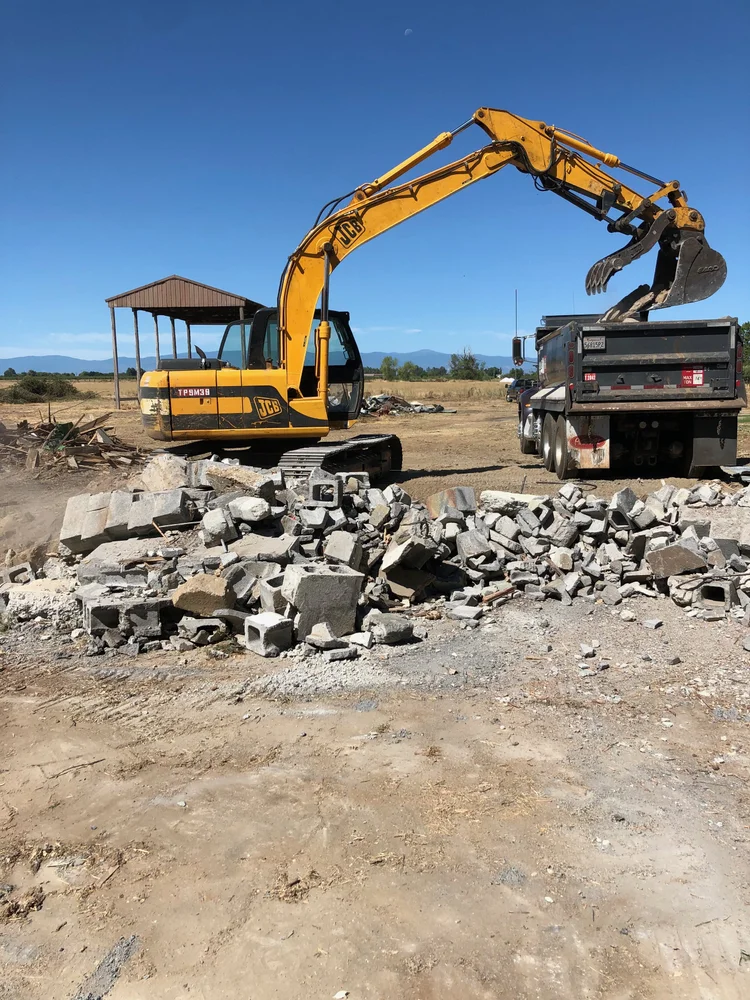
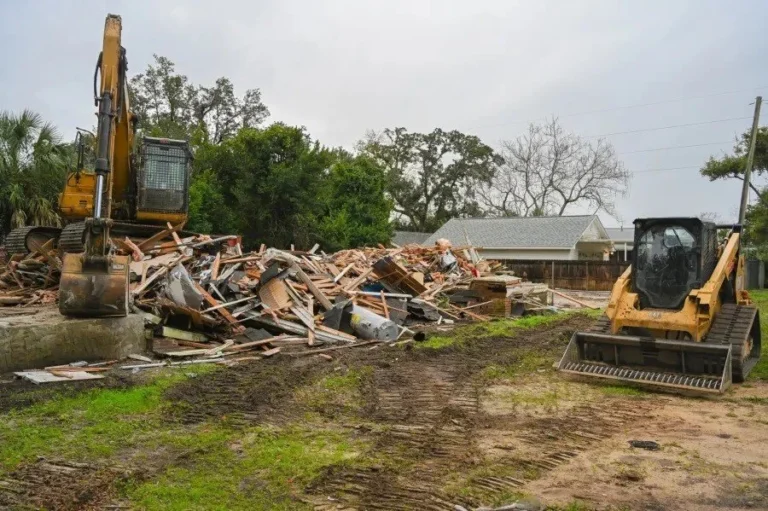
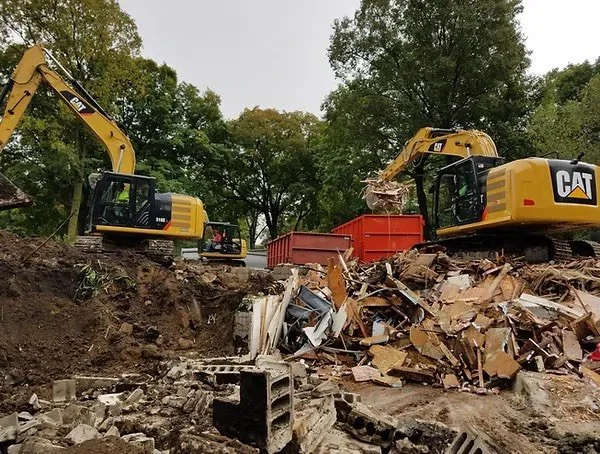
- Cleanup & Debris Removal — Complete post-demolition cleanup including material sorting, concrete and masonry debris handling, metal salvage where applicable, and proper disposal or recycling of demolition waste. We leave the site cleared to grade, not just surface-cleaned.
- Site Safety & Preparation — Fencing, signage, dust control, and sequenced work planning to keep the job site safe for workers and the surrounding area throughout the demolition process. After demolition, site preparation work positions the property for its next phase — whether that's grading, new construction, or a different land use.
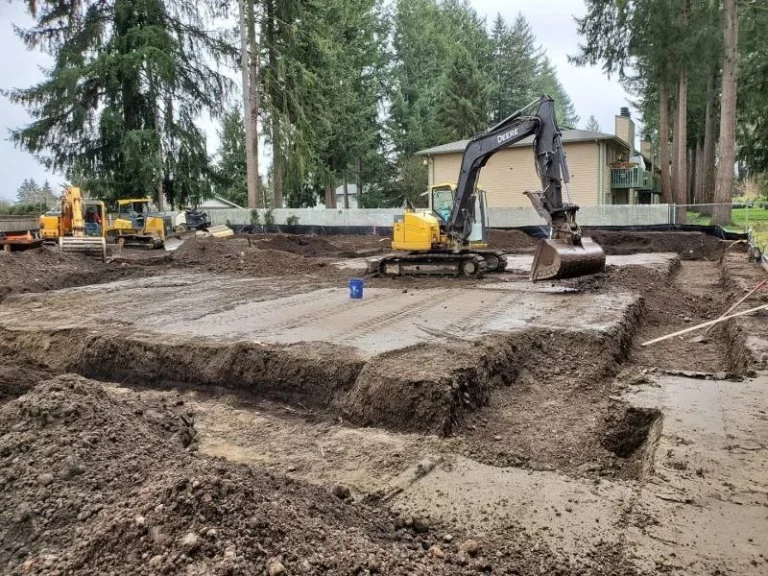
- Site Rehabilitation for Redevelopment — Beyond clearing the structure, site rehabilitation involves restoring the ground conditions to a state suitable for the intended next use. This may include foundation removal and backfill, rough grading, erosion control establishment, and coordination with any subsequent construction or civil work planned for the site.
Demolition Requires More Than Equipment
The equipment is the visible part of a demolition project. What actually determines whether a project goes smoothly is the pre-project work: understanding what's in the structure, what permits are needed, how utilities are handled, and what the site needs to look like when the work is done. DW Excavation brings field experience in excavation and site work to the demolition process — which means our understanding of what comes after is baked into how we approach the demolition itself. We're not handing off a pile of rubble to someone else. We're preparing a site for the next phase of work, and we approach every demolition with that end state in mind.
With operations across Sonoma County and Monterey County, and project experience throughout the California Central Coast, we understand the permitting requirements, environmental regulations, and site conditions specific to this region. That matters on every project, and it's why clients who've worked with other contractors often comment on the difference in how we approach pre-project coordination and site condition at completion.
Demolition Work That Understands the Territory
Demolition permitting and environmental compliance requirements vary across California's Central Coast. Sonoma County, Monterey County, and the various cities and unincorporated areas within each have their own processes, timelines, and agency relationships. Air district requirements for asbestos notification differ depending on which district the project falls in. Utility disconnection procedures vary by provider. Knowing how to navigate these requirements — and who to contact to keep a project moving — is part of what we bring to each job.
The physical conditions also vary significantly across the region. Coastal fog and moisture affect how structures degrade and what conditions workers encounter. Agricultural properties often have structures that have been modified, added to, or repurposed in ways that aren't documented — which affects both the hazmat survey and the demolition sequence. Wine country properties may have historical structures or architectural elements with specific disposal considerations. We've worked across enough of this terrain to anticipate these variables before they become problems.
Northern Region — Sonoma County & Surrounding Areas
Demolition projects in Sonoma County run through the Permit and Resource Management Department (PRMD) for unincorporated areas, with city building departments handling projects within incorporated cities. The Bay Area Air Quality Management District (BAAQMD) governs asbestos notification requirements for demolition projects in Sonoma County — projects that disturb regulated asbestos-containing materials require notification to BAAQMD and licensed abatement before any mechanical demolition begins. Wine country and rural Sonoma County parcels often include older agricultural structures, historic outbuildings, and barns that have accumulated decades of materials and modifications. Thorough pre-demolition assessment is essential on these properties.
- Sonoma County PRMD — demolition permits for unincorporated areas
- BAAQMD — asbestos notification and abatement requirements
- Agricultural and wine country structures — complex pre-demolition assessment
- Historic and older structures — careful hazmat survey before mechanical work
Southern Region — Monterey County & Central Coast
Demolition projects in Monterey County involve the Resource Management Agency (RMA) for permits in unincorporated areas, with the Monterey Bay Air Resources District (MBARD) governing asbestos and regulated materials notification. The Salinas Valley's large agricultural sector means a significant number of demolition projects involve farm buildings, equipment structures, and agricultural processing facilities — each with their own history of materials and modifications. Properties near the coast may involve Coastal Zone review considerations. Carmel Valley and hillside properties often have structures built on challenging terrain, which affects demolition access and sequencing.
- Monterey County RMA — demolition permits for unincorporated areas
- MBARD — asbestos and regulated materials compliance
- Salinas Valley agricultural structures — specialized assessment and removal
- Coastal Zone proximity — additional permit review where applicable
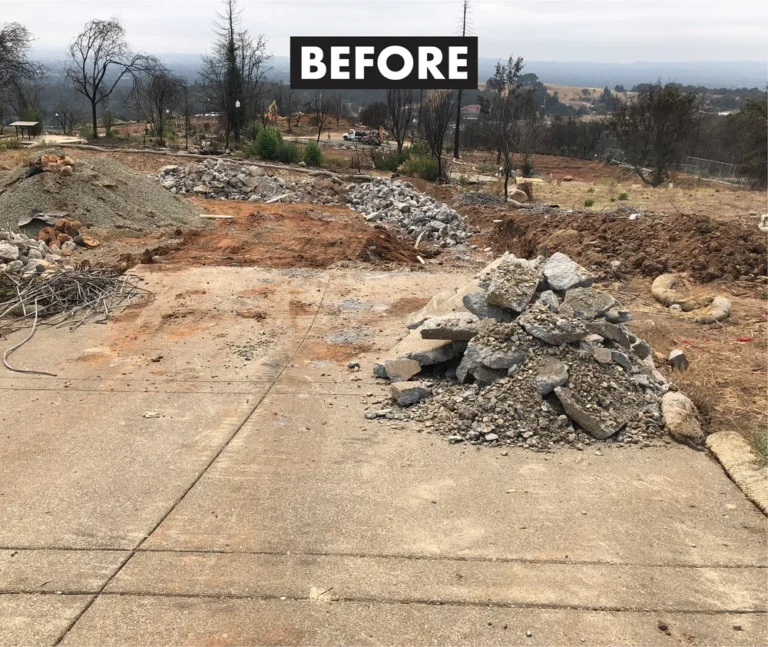
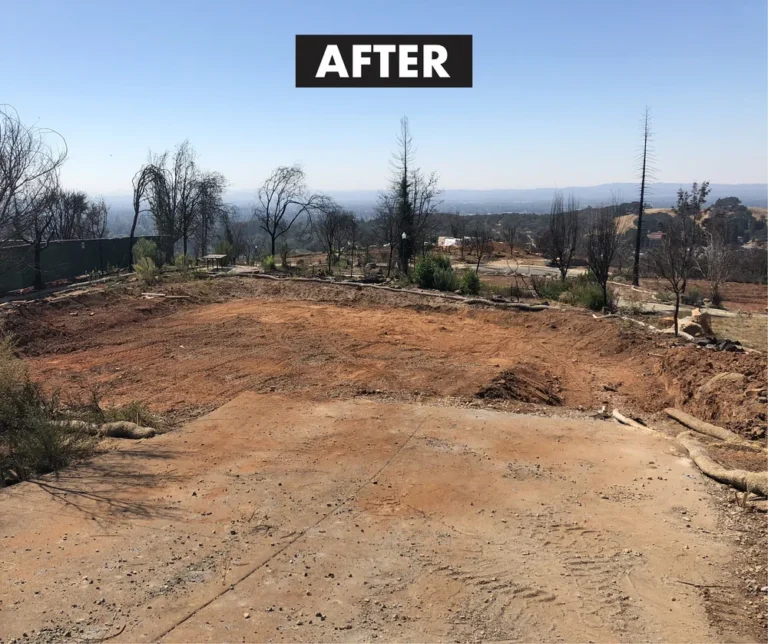
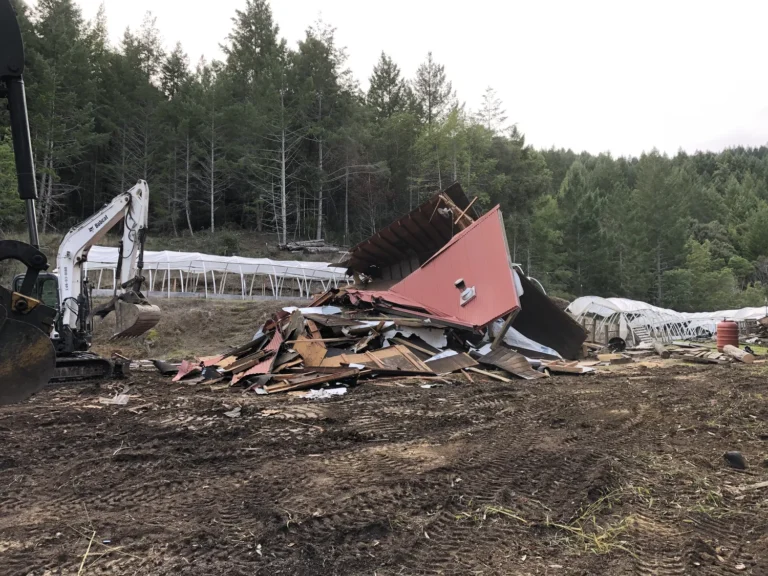
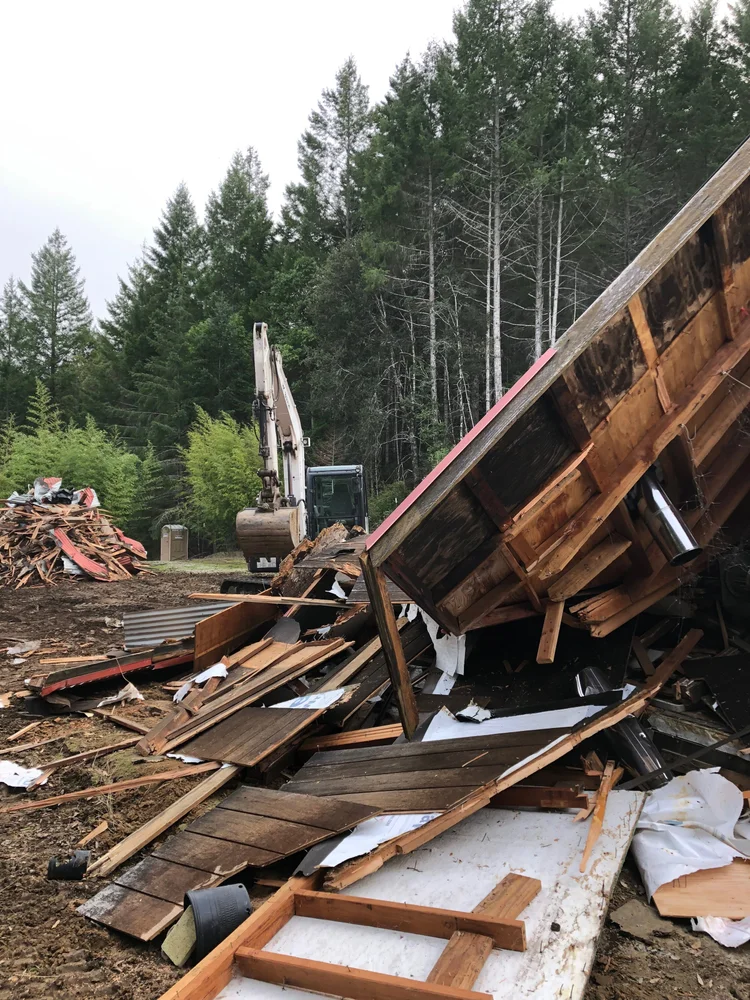
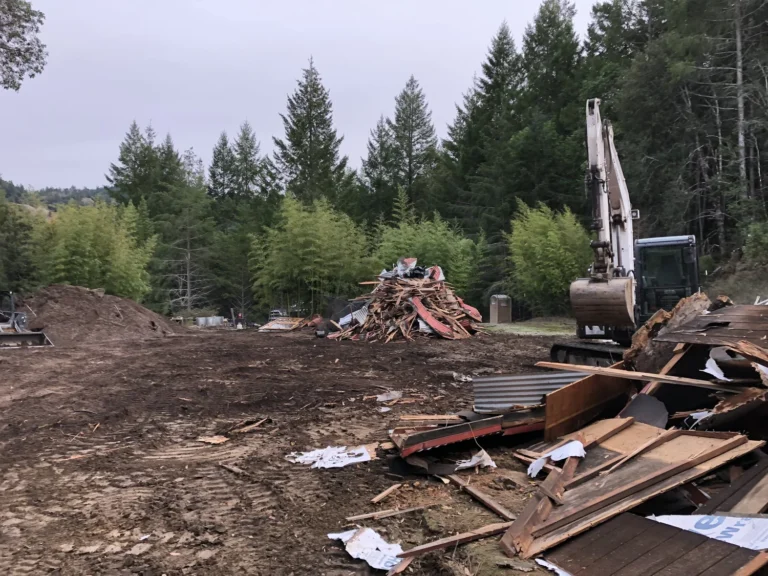
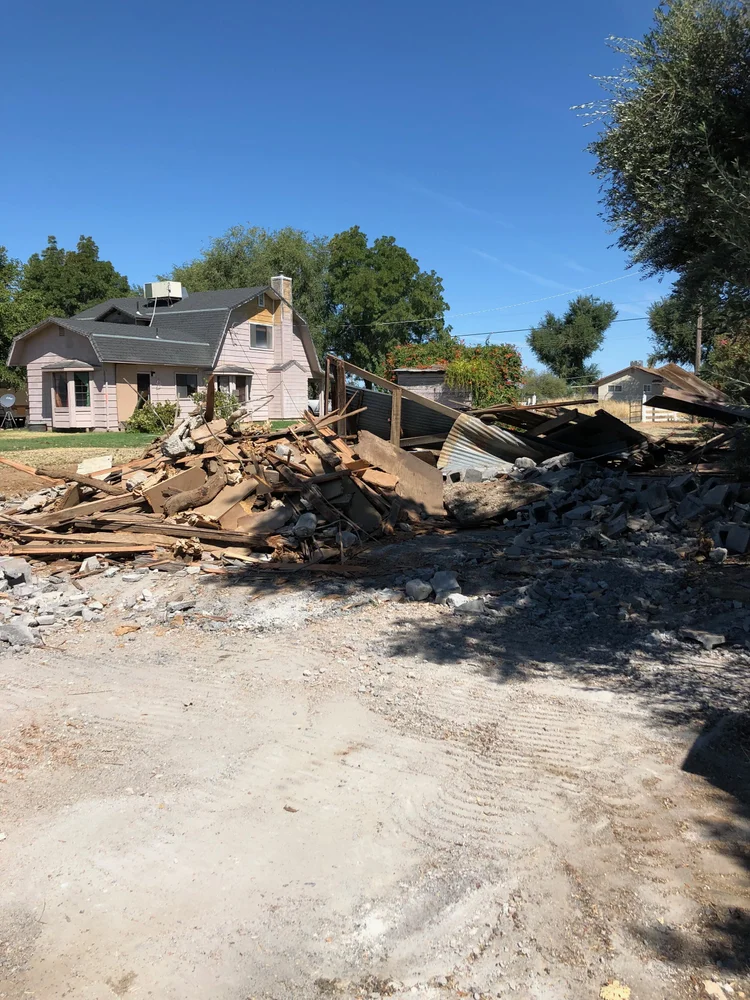
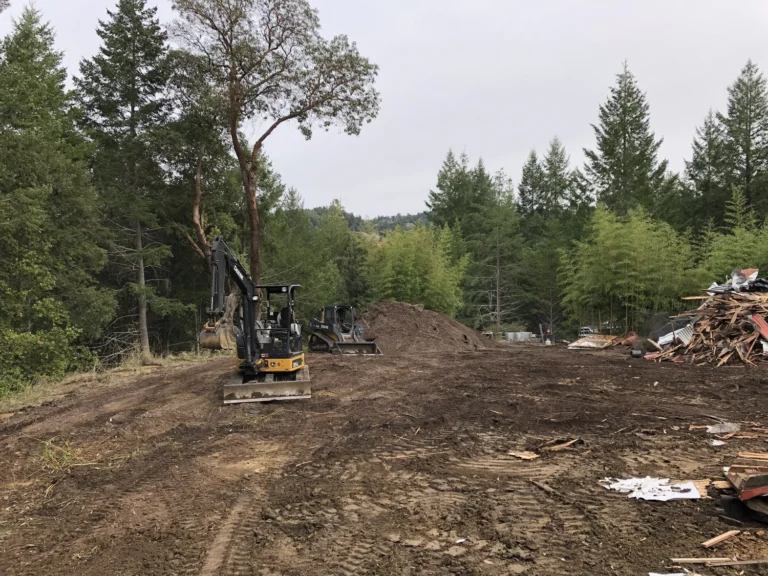
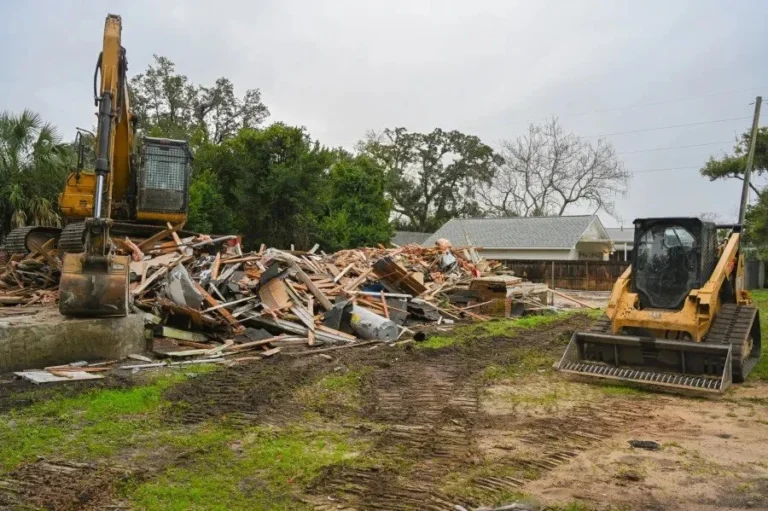
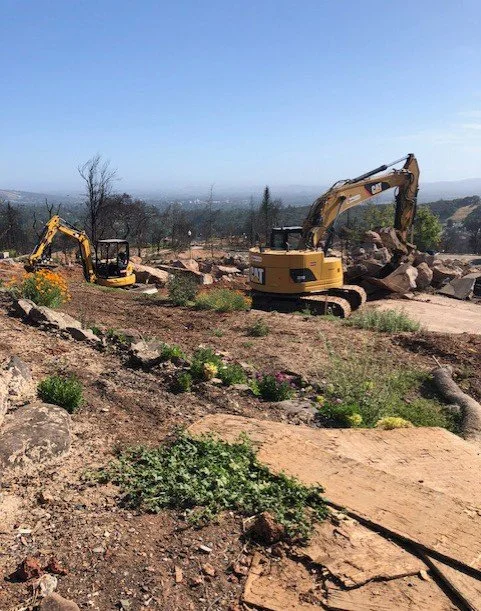
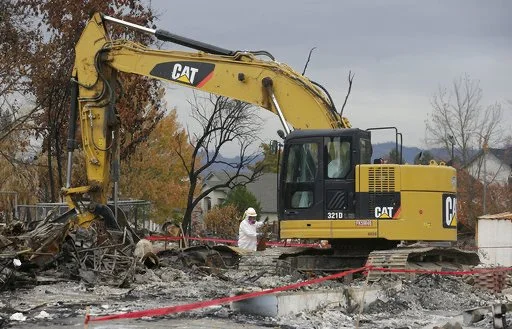
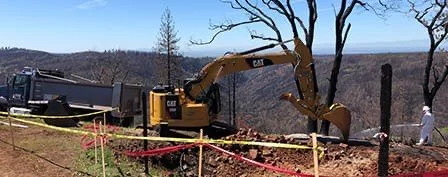
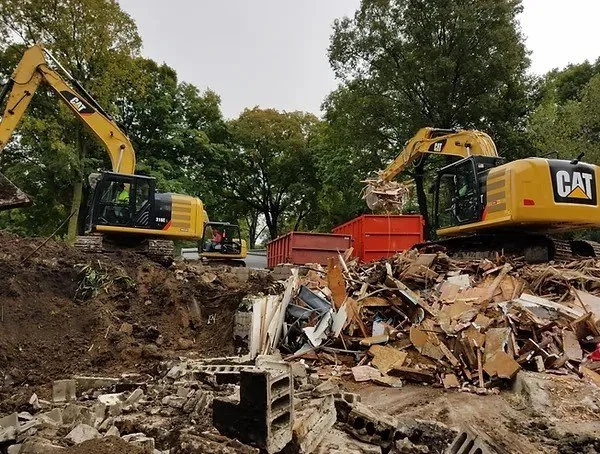
Demolition & Rehabilitation Project Work
Common Questions
Questions we hear regularly from property owners, developers, and contractors across Sonoma County, Monterey County, and the California Central Coast.
Call Us DirectlyWhat permits are required for demolition in California? +
Most demolition projects in California require a demolition permit from the applicable building department — either the county (Sonoma County PRMD or Monterey County RMA for unincorporated areas) or the relevant city building department. The permit application typically requires documentation of utility disconnections from PG&E, the local water district, and other utility providers. If the structure may contain asbestos-containing materials — generally any building built before 1978 is assumed to — a hazardous materials survey is required before the permit can be finalized, and asbestos abatement must be completed by a licensed contractor before any demolition work begins. In Sonoma County, notification to the Bay Area Air Quality Management District (BAAQMD) is required for projects disturbing regulated asbestos quantities. In Monterey County, the Monterey Bay Air Resources District (MBARD) governs these requirements. Call us at (707) 601-9091 and we can walk you through what your specific project will need.
How does asbestos affect a demolition project? +
Asbestos-containing materials (ACM) were used extensively in construction through the late 1970s — in roofing, flooring, insulation, drywall joint compound, ceiling texture, pipe insulation, and other materials. California law requires a survey of any structure before demolition to identify the presence of regulated asbestos. If ACM is found, it must be removed by a licensed asbestos abatement contractor before any mechanical demolition can begin. This affects both the project timeline and cost. The survey itself typically takes a few days; abatement timelines depend on the quantity and location of materials found. We coordinate hazmat survey and abatement work as part of our pre-demolition process, so property owners aren't managing multiple contractors and trying to sequence the work themselves.
What happens to the debris after demolition? +
Post-demolition debris is sorted and handled according to material type. Concrete and masonry may be crushed and recycled for use as base material, or transported to a recycling facility. Metal materials are typically salvaged. Wood, drywall, and mixed debris go to a licensed construction and demolition (C&D) debris facility for processing and disposal. Hazardous materials identified during abatement are handled separately by licensed hazmat contractors under specific disposal protocols. California has C&D debris diversion requirements — most jurisdictions require a minimum percentage of demolition waste to be diverted from landfill. We handle the sorting and documentation required to meet those requirements. When demolition is complete, the site is cleared to grade — not just surface-cleaned with debris pushed into piles or buried.
Can you demolish just part of a structure — a wing, addition, or accessory building? +
Yes. Selective or partial demolition — removing a specific portion of a structure while leaving the rest intact — is common and requires careful planning. The demolition sequence has to account for the structural relationship between what's being removed and what's being retained. Utility runs that serve both the demolished and retained portions need to be properly isolated and capped. Weatherproofing of any newly exposed surfaces has to be addressed immediately. Selective demolition work requires close coordination between the demolition contractor and whoever is handling any subsequent construction or repair on the retained portion. We've done this work on homes, agricultural buildings, and commercial properties throughout Sonoma County, Monterey County, and the California Central Coast.
What does "site rehabilitation" mean after demolition? +
Site rehabilitation goes beyond clearing a structure. After a building comes down, the ground where it stood has typically been disturbed — foundation footings, slabs, buried utilities, and compacted soils from decades of use are all part of what's left. Site rehabilitation involves removing these remnants, properly backfilling and compacting any excavations, rough grading the cleared area to achieve positive drainage, and establishing temporary erosion control if the site won't be going directly into the next construction phase. The goal is a site that's genuinely ready for its next use — whether that's new construction, agricultural use, or simply restoring the land to a natural or managed state. We handle the full scope of this work rather than leaving a partially rehabilitated site for someone else to finish.
How long does a demolition project typically take? +
The timeline depends on the size and complexity of the structure, the permit processing time in the applicable jurisdiction, and whether hazardous materials are present. A straightforward residential demolition on a single-family structure might take a few weeks from permit application to site completion. A larger commercial project with significant hazmat abatement and complex site rehabilitation could take several months. The permit processing timeline in Sonoma County and Monterey County varies — currently ranging from a few weeks to several months depending on project complexity and agency workload. We give clients realistic timelines during the assessment phase rather than estimating optimistically and then adjusting later.
Do you handle demolition of fire-damaged structures? +
Yes. Fire-damaged structures present specific challenges that require experience and proper planning. Structural instability from fire damage affects the demolition sequence — charred or partially compromised framing can behave unpredictably during mechanical removal. Fire-damaged structures often have elevated hazardous material concerns, particularly when materials have been melted, burned, or contaminated by firefighting chemicals. The hazmat survey process for fire-damaged structures is more thorough than for typical demolition. We have experience with fire-damaged residential and agricultural structures in Sonoma County and the surrounding region, including work following the significant fire events this area has seen over the past several years.
Can you work directly with a property owner, or do I need a general contractor? +
We work directly with property owners. Many demolition projects don't require a general contractor — particularly standalone demolitions where the property owner is simply clearing a structure before deciding on next steps, or where the follow-on work is a separate construction project being managed independently. We handle the permit applications, utility coordination, hazmat contractor coordination, demolition work, and site cleanup as a complete package. If you have a general contractor managing a larger project that includes demolition, we can work as a subcontractor within that structure as well. Call us at (707) 601-9091 to discuss how your project is organized and how we can fit into it.
What makes demolition in the California Central Coast different from other regions? +
A few things distinguish demolition work in this region. The air district requirements differ from the rest of California — BAAQMD in Sonoma County and MBARD in Monterey County each have their own notification and compliance processes for asbestos and regulated materials. The age and type of construction common in wine country Sonoma and agricultural Monterey County means a higher proportion of projects involve older structures with complex hazmat profiles. Coastal conditions affect both structure condition and site considerations in properties near the coast. The permit processing environment at Sonoma County PRMD and Monterey County RMA has its own rhythms, requirements, and people — knowing how to work with those agencies makes a real difference in project timelines. Working in this region for over a decade means we understand these specifics in a way that doesn't require a learning curve on each project.
How do I get started? +
Call us at (707) 601-9091 or use the contact form on this page. It helps to have the property address, a description of what needs to come down, and any information you have about the structure — approximate age, construction type, whether any hazmat surveys have already been done. A site visit is usually the right starting point for demolition projects. It takes a short amount of time and gives us the information we need to give you an accurate scope and timeline rather than a ballpark estimate based on incomplete information.
Ready to Clear the Site
and Move Forward?
DW Excavation provides demolition and site rehabilitation services for residential, commercial, and agricultural projects across Sonoma County, Monterey County, and the California Central Coast. Licensed, experienced, and committed to leaving your site in better shape than we found it. Call to schedule a site assessment or submit the contact form to get started.
Sources
- California Department of Industrial Relations — Asbestos in Construction — dir.ca.gov
- Bay Area Air Quality Management District — Asbestos Demolition & Renovation — baaqmd.gov
- Monterey Bay Air Resources District — Asbestos Requirements — mbard.org
- California Air Resources Board — Asbestos Airborne Toxic Control Measure — arb.ca.gov