Sonoma County to Monterey County · CA LIC #1060838
Paving
Services
Asphalt and concrete paving for driveways, parking lots, and private roads across the California Central Coast — built on proper subgrade, done right the first time.
Start Your Project
Homepage Short Form
DW Excavation provides asphalt and concrete paving services throughout the California Central Coast — including residential driveways, commercial parking lots, private roads, and access paths. Services include surface preparation, subgrade grading, paving installation, and maintenance. Licensed in California (CA LIC #1060838) and serving the region since 2013.
Asphalt & Concrete Paving Across the California Central Coast
A paved surface is only as good as what's underneath it. That's the part most people don't think about until the pavement starts cracking, heaving, or breaking down at the edges within a few years of installation. Subgrade preparation — proper grading, compaction, and drainage — is what separates pavement that lasts from pavement that needs to be replaced.
DW Excavation handles both the prep work and the paving. We've been grading and excavating on the California Central Coast since 2013, which means we understand the soil conditions, drainage challenges, and climate factors that determine how a paved surface performs over time. Whether it's a residential driveway, an agricultural access road, or a commercial parking lot, we approach every project from the ground up.
We work with asphalt for most driveways and road applications — it's cost-effective, performs well in our climate, and holds up to the seasonal temperature swings common across the region. Concrete is the right choice where load-bearing strength and longevity are the priority. We assess the application and recommend the material that will perform best for the specific use.
Paving Services We Provide
- Asphalt Paving — Residential driveways, private roads, parking areas, and access paths; durable and cost-effective for most applications
- Concrete Paving — High-strength applications where load capacity and longevity are the priority
- Surface Preparation & Subgrade Grading — The critical step most paving contractors rush; we grade to proper slope and compact to spec before any material goes down
- Base & Aggregate Installation — Crushed rock base layers sized and compacted for the intended use and soil conditions
- Driveway Paving — New residential and rural driveways, including curved entries and hillside approaches
- Parking Lot Paving — Commercial and agricultural parking areas with drainage designed in from the start
- Private Road Paving — Ranch roads, access lanes, and shared private roads
- Paving Repair & Patching — Targeted repair of failed sections, edge damage, and drainage-related deterioration
What Makes Paving Fail — and How We Prevent It
Most premature paving failures trace back to one of three causes: inadequate subgrade compaction, poor drainage design, or a base layer that wasn't thick or stable enough for the application. These aren't paving problems — they're preparation problems. Fixing them after the fact means tearing out the pavement and starting over.
We don't shortcut the prep phase. Every paving project starts with a site evaluation to understand existing drainage patterns, soil conditions, and how the surface will be used. We grade to establish positive drainage away from structures and toward appropriate outlets, compact the subgrade and base to the density required for the load, and confirm everything is spec before paving begins. That's not extra effort — it's the minimum required to get a surface that holds up.
Paving That Holds Up to Central Coast Conditions
Paving on the California Central Coast deals with conditions that accelerate failure in surfaces that weren't designed for them. Expansive clay soils that swell and shrink seasonally create movement that cracks poorly supported pavement. Steep hillside driveways drain poorly when the subgrade wasn't graded correctly. Agricultural roads carry loads that a residential-spec base can't handle. Coastal areas see more moisture cycling than inland zones, which accelerates edge deterioration.
We've been working in these conditions since 2013. That experience informs how we specify base depth, drainage slope, and compaction requirements for each project — not by applying a generic standard, but by understanding what the specific site and application actually need.
Northern Region — Wine Country & Surrounding Areas
Driveways and roads in the northern California Central Coast frequently run through rolling terrain with clay-heavy soils. Clay's seasonal movement is one of the most common causes of driveway cracking in the region — pavement placed over clay without adequate base depth and drainage will heave and crack within a few seasons. Hillside entries add drainage complexity that flat-site paving doesn't require. We account for all of this in how we approach subgrade and drainage design before any asphalt or concrete goes down.
- Clay soil movement — base depth and drainage designed to accommodate it
- Hillside driveways — proper slope and drainage to prevent washout and edge failure
- Rural access roads — aggregate and base spec matched to actual load requirements
- Agricultural properties — driveways, equipment pads, and access lane paving
Southern Region — Monterey County & Central Coast
Monterey County's varied terrain — coastal flatlands, hillside residential lots, and Salinas Valley agricultural properties — means paving requirements vary significantly across the region. Coastal properties deal with more moisture and salt air, which affects pavement longevity if the surface and drainage aren't done correctly. Agricultural properties in the Salinas Valley often need roads and pads capable of handling heavy equipment. We work throughout the county and understand what each zone's conditions require from a paving and subgrade standpoint.
- Coastal conditions — drainage and surface design appropriate for higher moisture environments
- Agricultural roads and equipment pads — base spec matched to load requirements
- Hillside residential driveways — slope and drainage designed in from the start
- Commercial and multi-use paving — parking lots and access areas designed for the application
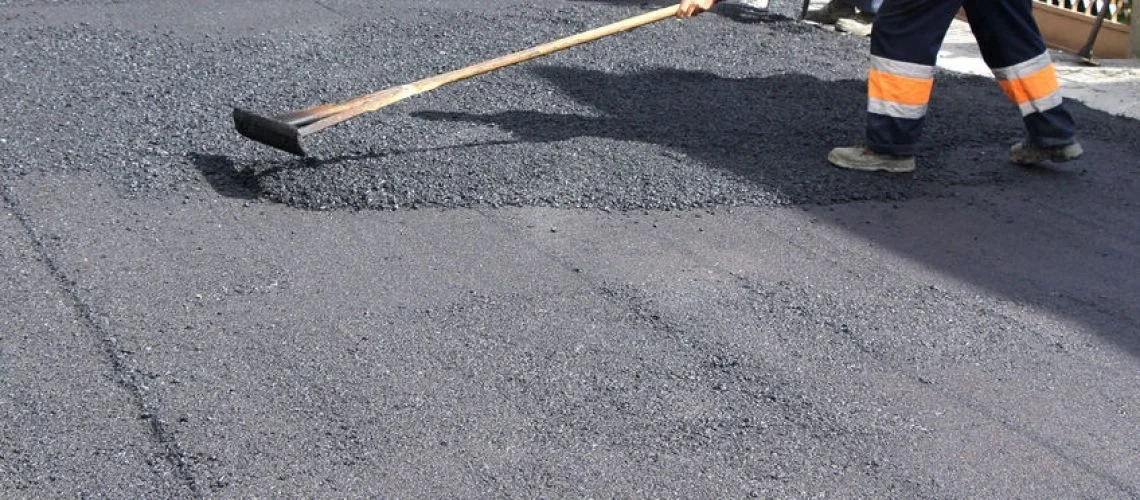
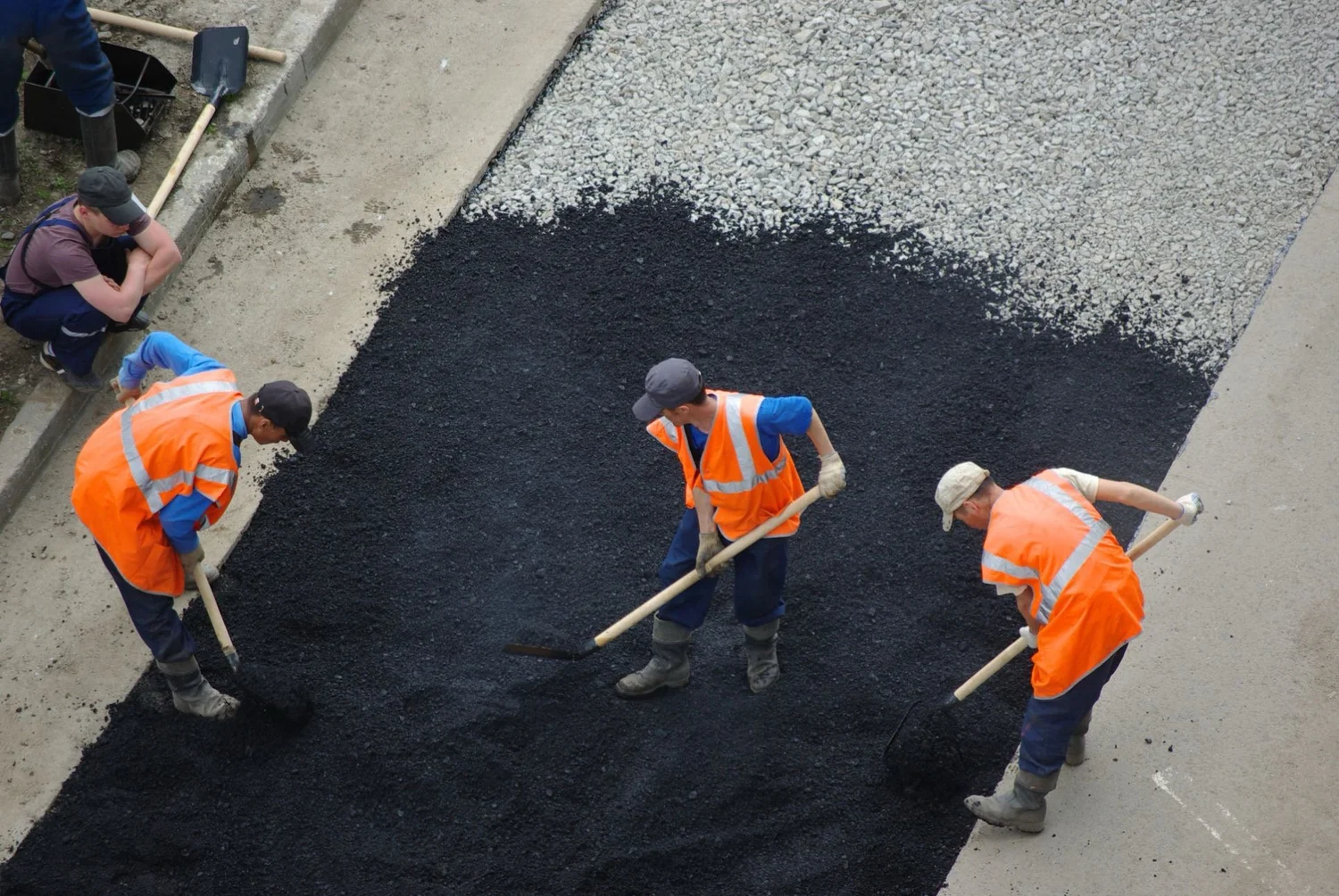
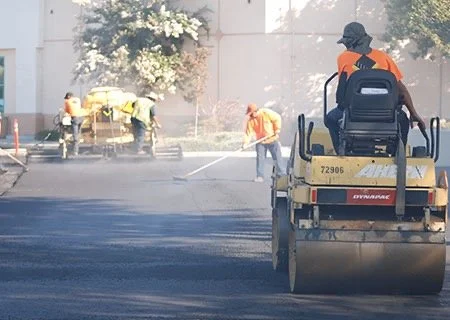
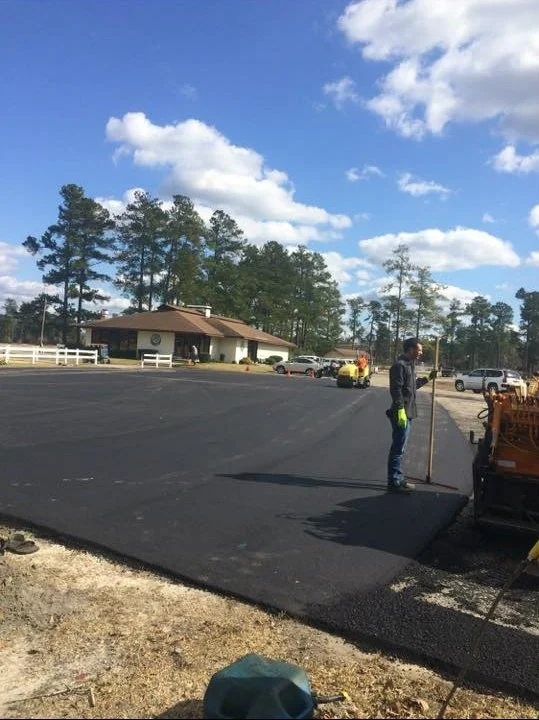
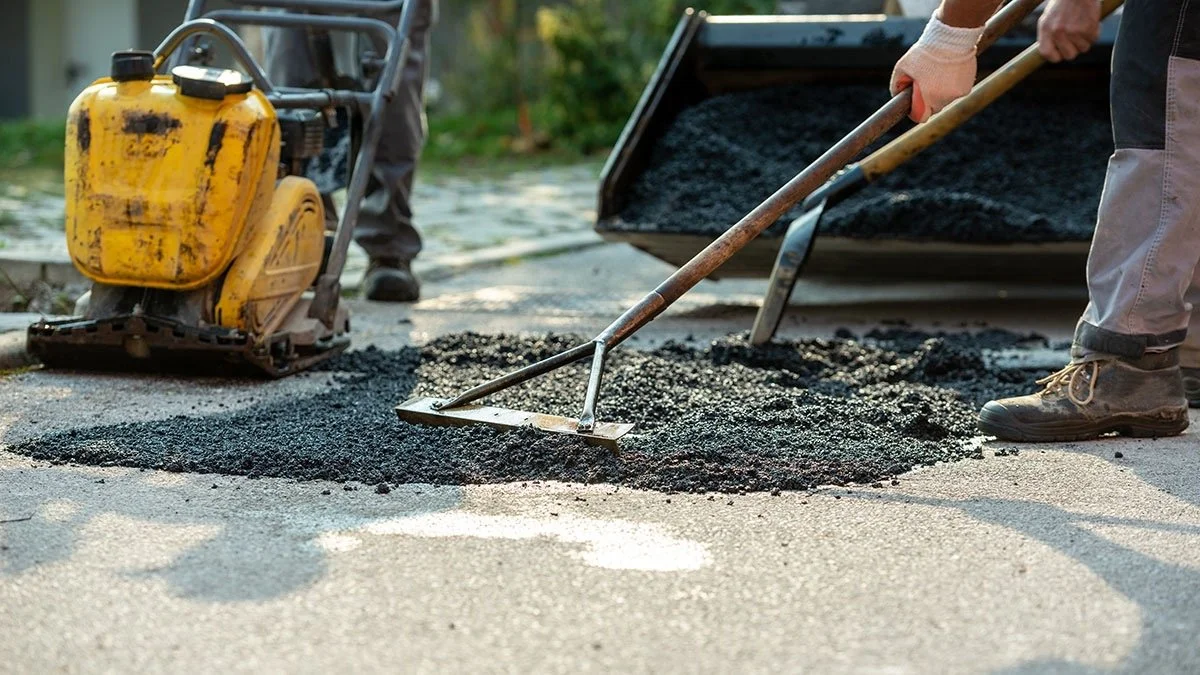
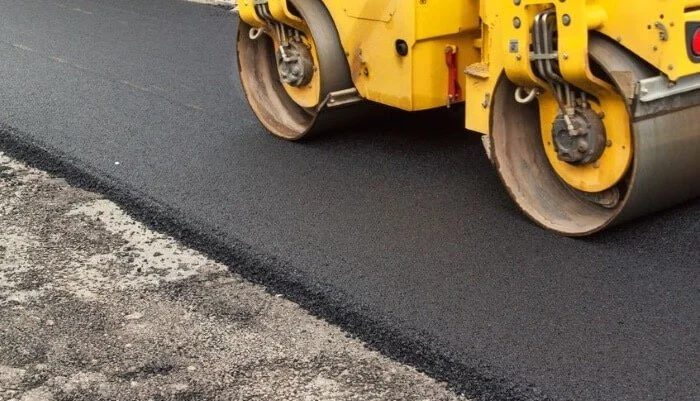
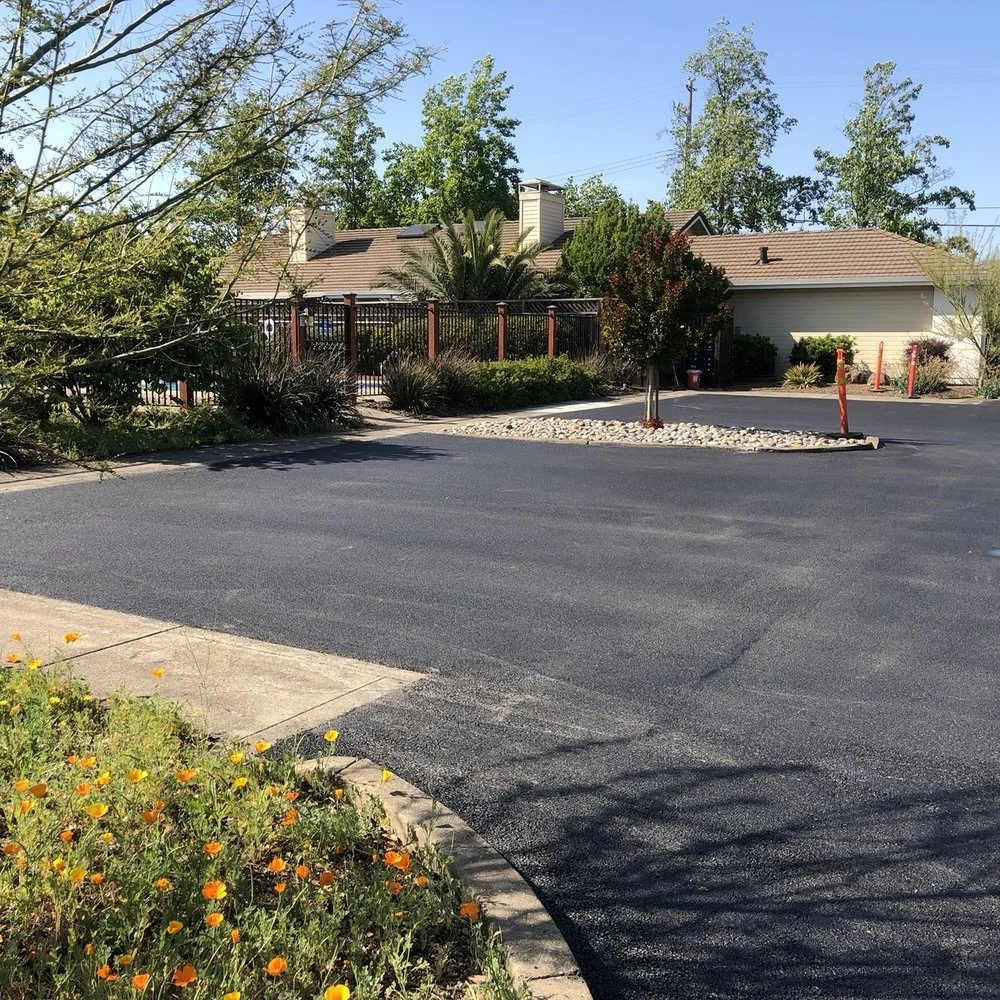
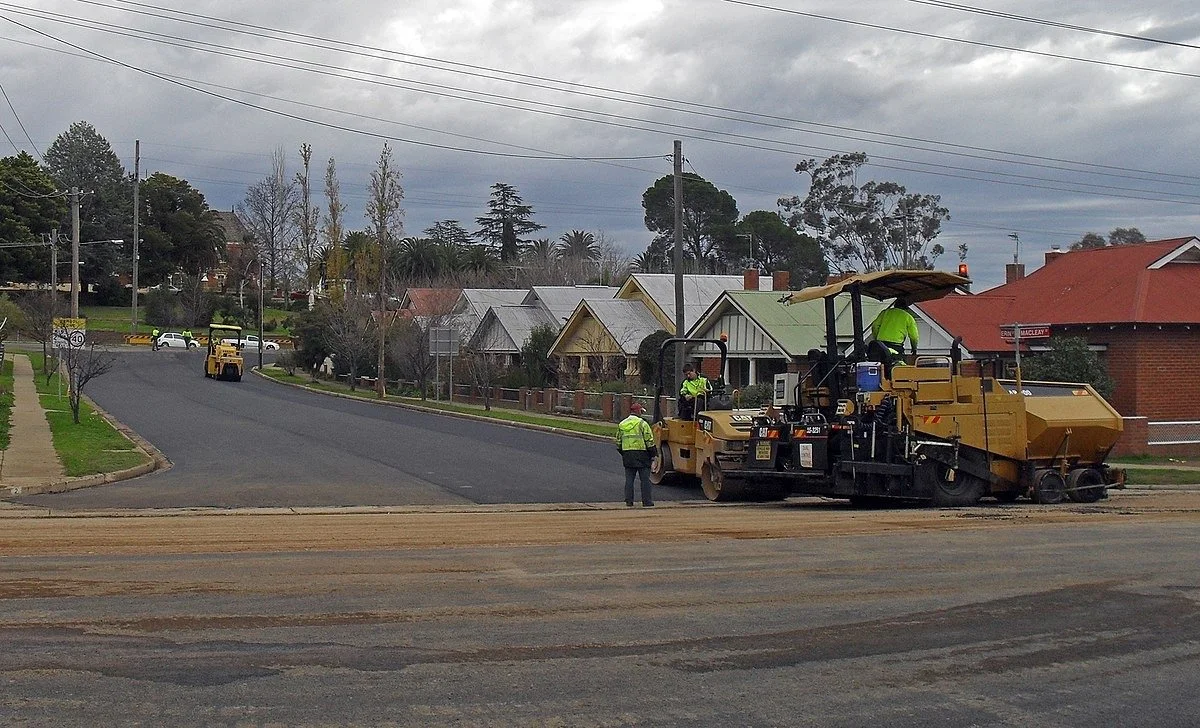
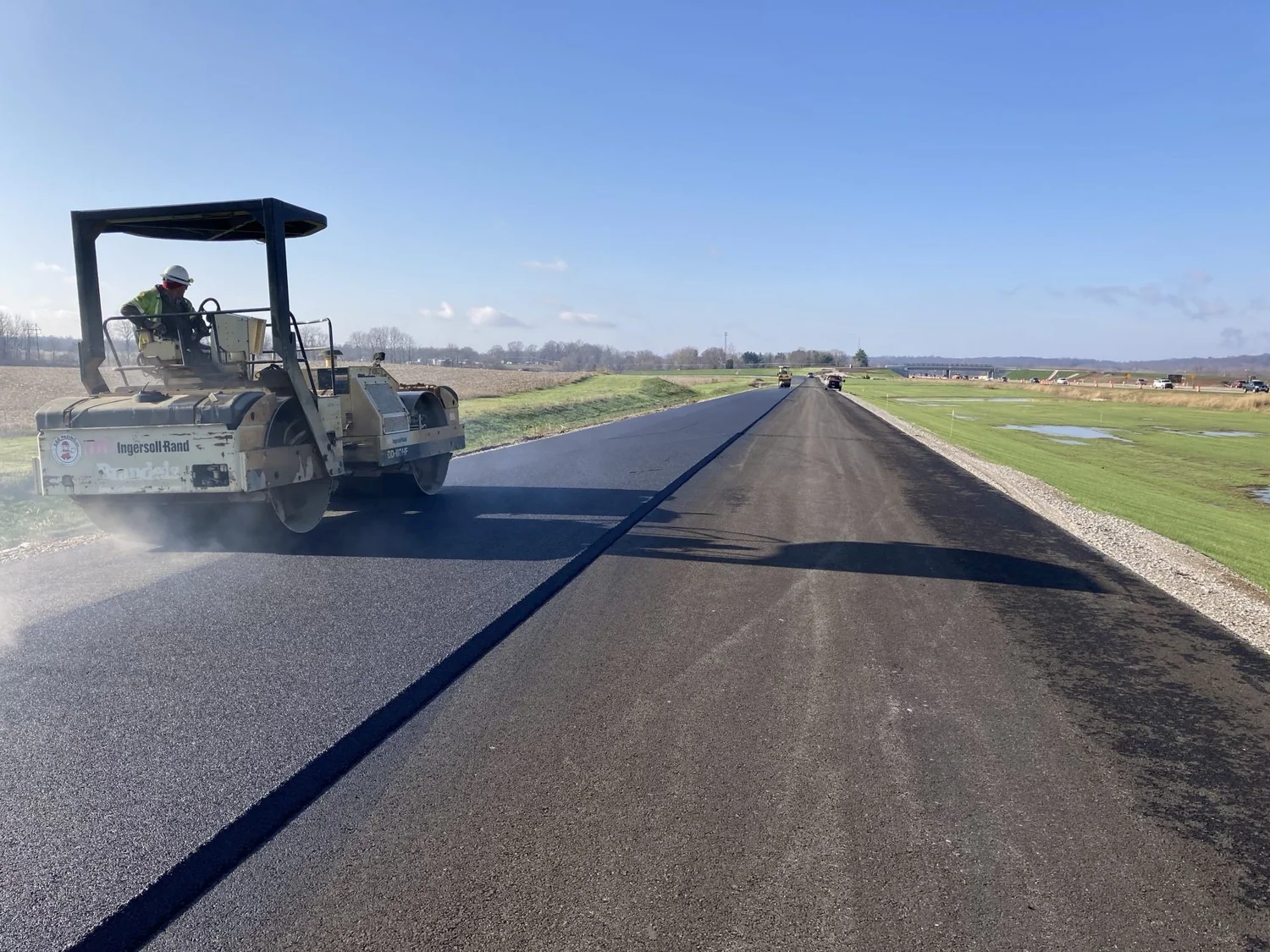
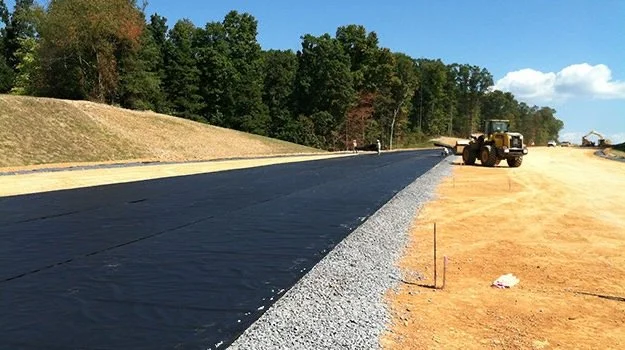
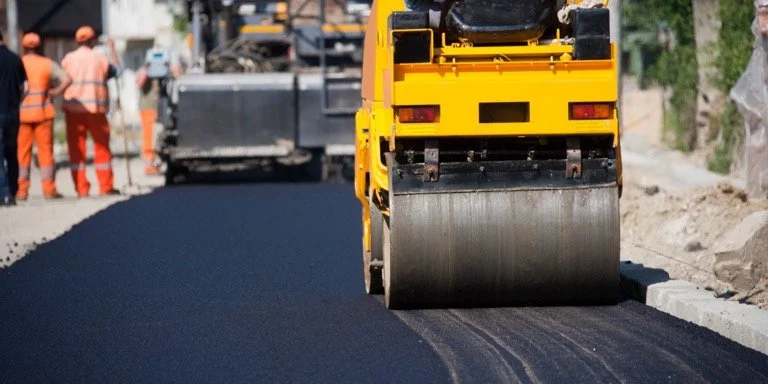
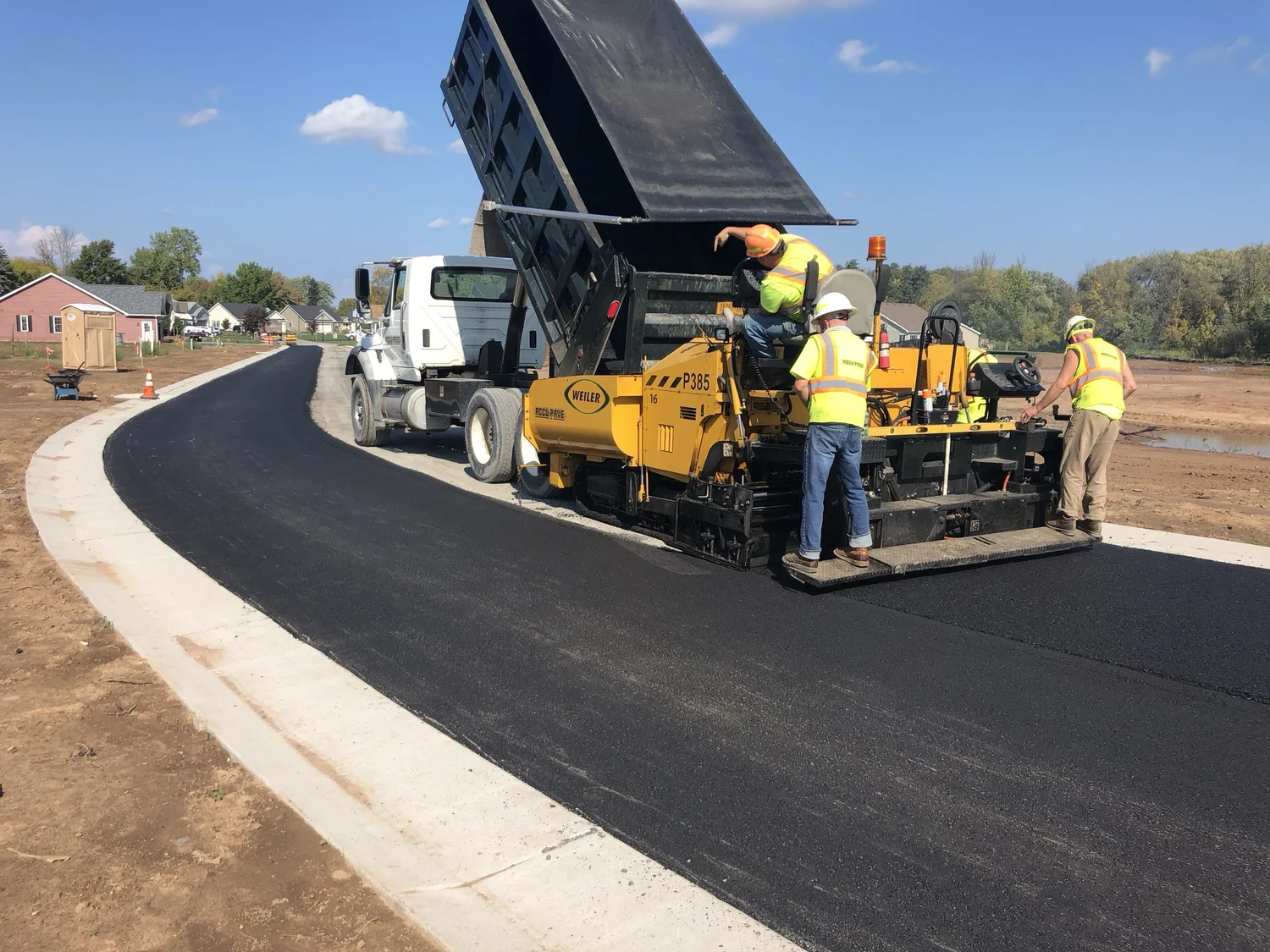
Paving Work Across the Central Coast
Paving FAQ
Answers to the questions we hear most often from property owners planning paving projects on the California Central Coast.
📞 Still have questions?Call us directly
What's more important — the paving material or the subgrade? +
The subgrade. By a significant margin. Asphalt and concrete are both capable of lasting 20–30 years when placed over a properly prepared, well-drained base. Either will fail in 3–5 years if placed over poorly compacted subgrade, inadequate base depth, or a surface that doesn't drain correctly.
This is why we evaluate the subgrade condition and drainage before any material goes down. The visible surface gets all the attention, but the performance is determined entirely by what's underneath it.
Should I choose asphalt or concrete for my driveway? +
For most residential driveways on the California Central Coast, asphalt is the better choice. It's less expensive upfront, handles our temperature range well, and is easier to repair if sections fail. It also performs better over slightly flexible subgrades — like the clay soils common in parts of Sonoma and Monterey Counties — because it can flex slightly rather than crack.
Concrete makes sense when you need maximum load capacity (heavy equipment, RVs, or commercial traffic), want a longer service life with minimal maintenance, or prefer the aesthetic. It costs more upfront and is harder to repair, but a well-built concrete surface can outlast multiple asphalt lifecycles. We'll give you a straight recommendation based on your specific situation.
Why did my old driveway crack and fail so quickly? +
Premature paving failure almost always traces back to one of three causes: the subgrade wasn't adequately compacted, the base layer was too thin or the wrong material, or drainage wasn't established correctly and water is undermining the surface from below.
Clay soils on the California Central Coast are a common factor. Clay absorbs moisture and expands, then dries and contracts. Without sufficient base depth to isolate the pavement from that movement, the surface cracks and heaves. Inadequate drainage is the other major culprit — water that can't exit the subgrade freezes, moves, or weakens the base, causing the surface above it to fail.
How thick does an asphalt driveway need to be? +
For a standard residential driveway, 2–3 inches of compacted asphalt over a properly prepared aggregate base is typical. The base layer itself — usually compacted crushed rock — is typically 4–6 inches deep, though this varies based on soil conditions and the anticipated load.
For driveways that will carry heavier vehicles — RVs, delivery trucks, or heavy farm equipment — both the asphalt thickness and the base depth need to be increased. Using residential-spec paving for a commercial or agricultural application is one of the most common reasons driveways fail prematurely. We spec the thickness based on actual use, not a generic standard.
How should a paved driveway drain? +
Water needs to move off the surface quickly and away from structures. A properly graded paved surface should have a cross-slope or crown of approximately 2% — enough to move water to the edges without being noticeably steep. At the edges, water needs somewhere to go: a swale, catch basin, or drainage outlet that directs it away from the property.
On hillside driveways, drainage is more complex. Water running down the slope needs to be intercepted and redirected before it reaches the paved surface or undercuts the road. We design drainage into every paving project from the start — not as an afterthought.
Do I need a permit to pave a driveway or parking lot? +
Permit requirements vary by county, municipality, and project scope. In most cases, paving a residential driveway doesn't require a separate paving permit, but it may trigger requirements under stormwater management regulations — particularly if the impervious surface area increases significantly. Sonoma County and Monterey County both have stormwater control requirements that can apply to larger paving projects.
Commercial parking lots and larger paved areas are more likely to require permits and drainage plans. We'll let you know what's needed for your specific project and can help coordinate the permitting process if required.
When is the best time of year to pave on the California Central Coast? +
The dry season — roughly May through October — is the ideal window for most paving projects. Asphalt needs to be placed and compacted at temperature, which is much easier to achieve on a dry, warm day than on a cold or wet one. Subgrade preparation also goes better in dry conditions when soil is at optimal compaction moisture content.
That said, paving can be done year-round in most of our service area when conditions allow. We schedule around the forecast and plan projects to take advantage of suitable windows. For larger projects with extended timelines, fall scheduling sometimes makes sense to get prep work done before winter.
How long does asphalt paving last? +
A properly installed asphalt driveway over a well-prepared subgrade typically lasts 20–30 years with basic maintenance — crack sealing and sealcoating at appropriate intervals. The actual lifespan depends heavily on subgrade quality, drainage, traffic loads, and maintenance history.
Driveways that were paved over inadequate base or poor drainage may start showing significant deterioration in 5–10 years. When we do a replacement, we always address the underlying cause of the previous surface's failure — otherwise we're just replacing the same problem on the same schedule.
How much does paving cost? +
Paving cost depends on the square footage, the thickness and type of material specified, how much subgrade preparation is needed, site accessibility, and whether existing pavement needs to be removed first. There's a wide range between a straightforward flat driveway replacement and a hillside road paving project with drainage infrastructure.
Published price ranges for paving are rarely useful because they don't account for site-specific conditions. The most accurate way to get a number is to have us look at the site. Call 707-601-9091 and we'll schedule a visit.
Are you licensed and insured for paving in California? +
Yes. DW Excavation holds California Contractor License #1060838 and carries liability insurance and workers' compensation coverage. We've been operating on the California Central Coast since 2013 and are familiar with the permit requirements and code standards that apply to paving projects in both Sonoma and Monterey Counties.
Hiring a licensed contractor matters because it means you have recourse through the California Contractors State License Board if issues arise, and because licensed contractors are required to carry insurance that protects you as the property owner.
Ready to Start Your
Paving Project?
Call us to discuss the site or fill out the form above. We'll evaluate the subgrade, drainage, and application before recommending a material and spec.
Sources
- Sonoma County Permit Sonoma — Grading & Stormwater Requirements (2024): permitsonoma.org
- County of Monterey Development Services — Grading and Drainage Standards (2024): countyofmonterey.gov
- California Building Standards Commission — 2025 California Building Code (effective January 2026)
- IndustryARC — Permeable Pavement Market Research, 2024: industryarc.com