
That gurgling drain or unusually green patch of lawn might seem like a minor nuisance. For many California homeowners, however, these are early warnings of a much larger problem developing just beneath the surface. Aging pipes, aggressive tree roots, and the state's unique geological pressures create a constant threat of underground pipe failure.
Ignoring these subtle signs is a significant gamble that can lead to foundation damage, environmental hazards, and emergency repair bills that run into the tens of thousands. Waiting for a complete pipe collapse means dealing with property destruction, health risks, and severe disruption to your life. This guide details the 5 benefits of early pipe repair California homeowners can’t afford to miss, explaining how a strategic, planned repair can save you money and protect your property.
1. Small Leaks Can Cost You Thousands
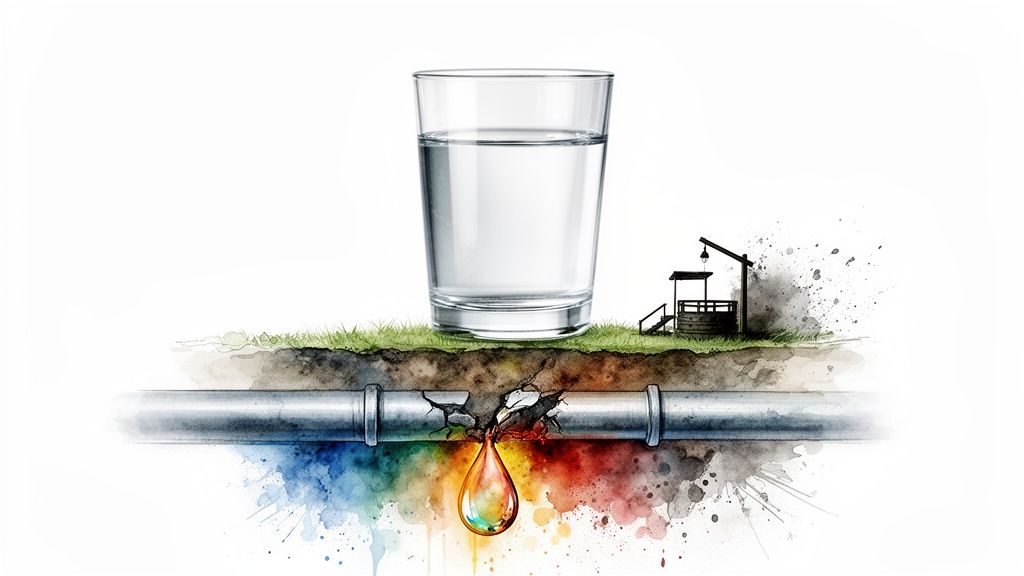
An undetected underground pipe leak is more than just a plumbing problem; it's a direct threat to your home's structural integrity. When water seeps from a broken sewer or water line, it saturates the soil supporting your foundation. This can lead to catastrophic foundation shifts, cracks, and settlement.
Across the U.S., an estimated 6 billion gallons of treated water are lost daily from leaky pipes [EPA, 2024]. For homeowners, that kind of waste means rising utility bills and hidden water damage. Addressing issues early avoids costly surprises like mold, soil erosion, or a weakened foundation.
Why Is Soil Saturation a Major Risk in California?
This process is especially dangerous in California, where expansive clay soils swell when wet and shrink when dry. A constant leak creates a pocket of supersaturated soil that can cause one part of your foundation to heave upward while the rest remains stable. The resulting stress can lead to repairs costing tens of thousands of dollars.
2. Preventive Repairs Are Less Disruptive
Waiting until a pipe collapses can turn a simple fix into a major excavation, destroying your landscaping, driveway, and hardscaping. A sudden failure forces you into crisis mode, often leading to emergency excavation costs that are significantly higher than planned repairs.
Today’s technology—especially trenchless pipe repair—makes it easier than ever to tackle issues early without tearing up your entire yard. A planned repair is almost always more affordable, less disruptive, and gives you control over the process.
What Are the Benefits of Trenchless Technology?
Modern repair methods allow for fixes with minimal digging. Key benefits include:
- Faster Completion: Repairs are often finished in a single day.
- Cost-Effective: It saves thousands on landscape and hardscape restoration.
- Durable: New pipe liners can last for 50 years or more.
- Less Intrusive: It avoids the noise and mess of major excavation.
3. Pipe Failures Are Becoming More Common
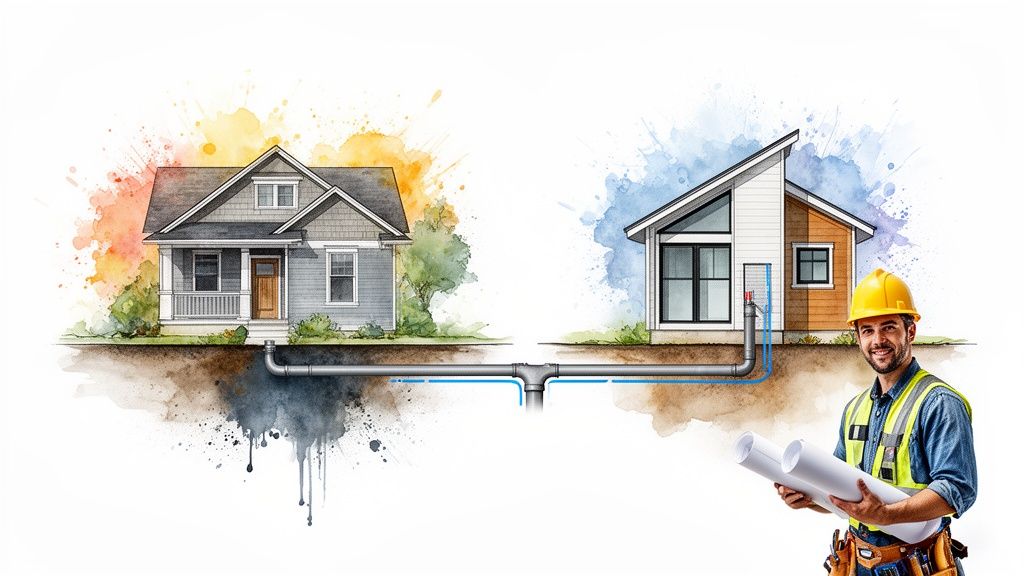
Deteriorating underground pipes are a nationwide issue, and California’s aging infrastructure isn’t immune. Water main break rates have increased by 27% in the last decade, a stark reminder that residential pipes are more vulnerable than ever [Utah State University, 2018].
If your home was built before the 1990s, it may have outdated or damaged piping—like clay or cast iron—that is at higher risk of failure from root intrusion, corrosion, or ground movement. Proactively replacing these lines is one of the key benefits of early pipe repair California homeowners can’t afford to overlook.
What Are the Signs of an Aging Pipe System?
Waiting for a major backup is a reactive and expensive strategy. Be on the lookout for early warning signs:
- Slow drains or frequent clogs throughout the house.
- Gurgling noises from toilets or drains.
- Unexplained damp spots or lush patches of grass in your yard.
- Sewage odors in or around your property.
4. Don’t Rely on Guesswork—Get It Inspected
Many homeowners wait until drains back up or water appears in the yard to call for help. But by then, significant damage to your soil and foundation may already be done. The only way to know the true condition of your underground pipes is with a professional inspection.
A proper video camera inspection allows a technician to see the inside of your pipes, identifying cracks, blockages, and weak spots before they become emergencies. This gives you time to plan the right solution, whether it's a minor spot repair or a full trenchless replacement.
How Often Should I Get My Pipes Inspected?
A good rule of thumb for California homeowners is:
- Homes Over 40 Years Old: Schedule an inspection every 5-7 years.
- Before a Major Renovation or ADU Build: An inspection is critical to ensure your system can handle increased demand.
- When Buying a Home: Never skip a sewer line inspection during your due diligence period.
5. A Reliable Contractor Makes All the Difference
Choosing the right partner for your pipe repair is as important as the repair itself. We understand the frustration of dealing with unreliable contractors or confusing technical jargon. A trustworthy expert will act as your guide, not just a service provider.
DW Excavation doesn’t just offer repairs—we offer clarity. We’ll explain your options (trenchless vs. traditional), assess your soil conditions, and help you make the best decision for your home. We believe in doing what’s right for your property and your budget, not just what’s fast.
What Should I Look for in a Pipe Repair Contractor?
- Local Expertise: Look for a company with experience in Sonoma County, Monterey County, or the Central Coast, as they will understand local soil types and regulations.
- Transparency: They should provide clear, detailed estimates and explain the pros and cons of each repair option.
- Proper Licensing and Insurance: Always verify that your contractor is fully licensed and insured to protect your property.
- Engineering-Integrated Approach: A company that understands the relationship between pipes, soil, and foundations can offer a more holistic and effective solution.
Your Proactive Partner for Underground Pipe Health
Waiting for an underground pipe to fail is a reactive gamble that almost always results in higher costs, greater property disruption, and significant stress. Procrastination is not a strategy when it comes to protecting your most valuable asset.
If you live in Sonoma County, Monterey County, or anywhere on the Central Coast and want to protect your home from underground pipe problems, now’s the time to act. A professional inspection replaces guesswork with data, empowering you to make smart, cost-effective decisions. By addressing small issues before they escalate, you can prevent a major sewage damage clean up and secure your home’s long-term health.
Are you ready to understand the true condition of your underground pipes and protect your property? Contact us today for a clear path forward and gain the peace of mind that comes from knowing your home is secure.
Frequently Asked Questions (FAQs)
1. How much does a pipe inspection cost in California?
A professional video camera inspection for a residential sewer line in California typically costs between $300 and $800. The final price depends on the length and accessibility of the pipe.
2. What is trenchless pipe repair?
Trenchless pipe repair is a modern method that fixes underground pipes without extensive digging. Techniques like pipe lining or pipe bursting create a new, durable pipe inside the old one, saving your landscaping and driveway from destruction.
3. Are older homes in Sonoma County at higher risk for pipe failure?
Yes, homes built before the 1990s in areas like Sonoma and Monterey County often have clay or cast-iron pipes. These materials are prone to cracking, corrosion, and root intrusion, making them more susceptible to failure over time.
4. Can a small leak really damage my foundation?
Absolutely. Even a slow, persistent leak can saturate the expansive clay soils common in California. This saturation causes the soil to swell and lose its strength, leading to uneven foundation settlement, cracks, and costly structural repairs.
5. Will my homeowner's insurance cover a collapsed sewer line?
Coverage varies significantly between policies. Many standard policies do not cover damage from aging or deteriorating pipes unless you have a specific endorsement. It's best to review your policy or contact your agent to understand your specific coverage for underground utility lines.