
Extreme weather events like historic rainfalls and wildfires are exposing vulnerabilities in California properties with inadequate site planning. As a result, flood cleanup is shifting from a reactive emergency service to an expected routine cost for property owners. Many are now making faster decisions to upgrade drainage and correct site grading, as repeat flooding damages foundations, asphalt, and utilities. Failing to address these root causes leads to compounding costs and increased structural risks. The solution is to pair cleanup with strategic site correction, evaluating grading, drainage, and underground infrastructure to prevent future damage and ensure long-term financial predictability.
For property owners across California, the constant threat of extreme weather is doing more than just changing flood cleanup—it's making the old way of doing things financially impossible. Flooding isn't a once-in-a-blue-moon crisis anymore. It’s a recurring risk that chews away at foundations, asphalt, and utilities with every storm.
This new reality is pushing a major shift in how we think about property management. We're moving away from one-off emergency cleanups and toward smart, long-term site preparation.
The New Normal: Why Flood Cleanup Isn't Enough Anymore
Let's be honest: flooding in California has changed. Historic rainfalls and wildfires have exposed vulnerabilities in sites lacking proper grading or planning [DW Excavation, 2026]. Flooding is no longer a rare event—it’s a recurring operational risk for property owners.
Simply calling for an emergency crew to pump out water is a temporary fix that's fast becoming a costly nightmare. Sure, the water is gone for now, but the underlying issue remains. Your property is just as vulnerable, and the next downpour will bring the same—or worse—damage.
The Impact: From One-Time Crisis to Recurring Cost
For homeowners and property managers, this means flood cleanup is shifting from reactive emergency service to an expected routine cost. Repeated flooding does more than just get your property wet. It causes compounding damage that spirals over time.
With each new flood, your property can suffer from:
- Destabilized Foundations: Saturated soil loses its strength, compromising the very structure holding up your home or building.
- Degraded Paving: Water seeps into asphalt and concrete, creating cracks, potholes, and erosion that demand expensive repaving.
- Damaged Utilities: The stress on underground pipes and electrical lines increases the risk of a messy and costly failure.
Because of this, property owners are making faster decisions about drainage upgrades, grading corrections, and underground pipe inspections. Cleanup alone no longer feels like enough.
Modern flood response is also getting a boost from new technology. Learning about how Drone Operations Transforming Emergency Services provides a fascinating look into how advanced tools are changing disaster management.
The Gap: Why Failing to Address Root Causes Is Risky
Failing to address root causes creates compounding costs. If flood cleanup is handled without correcting improper grading or underground drainage failures, properties remain vulnerable. We've seen firsthand how this proactive approach prevents disasters, something we cover in our guide on how new infrastructure failures are increasing sewage clean up emergencies.
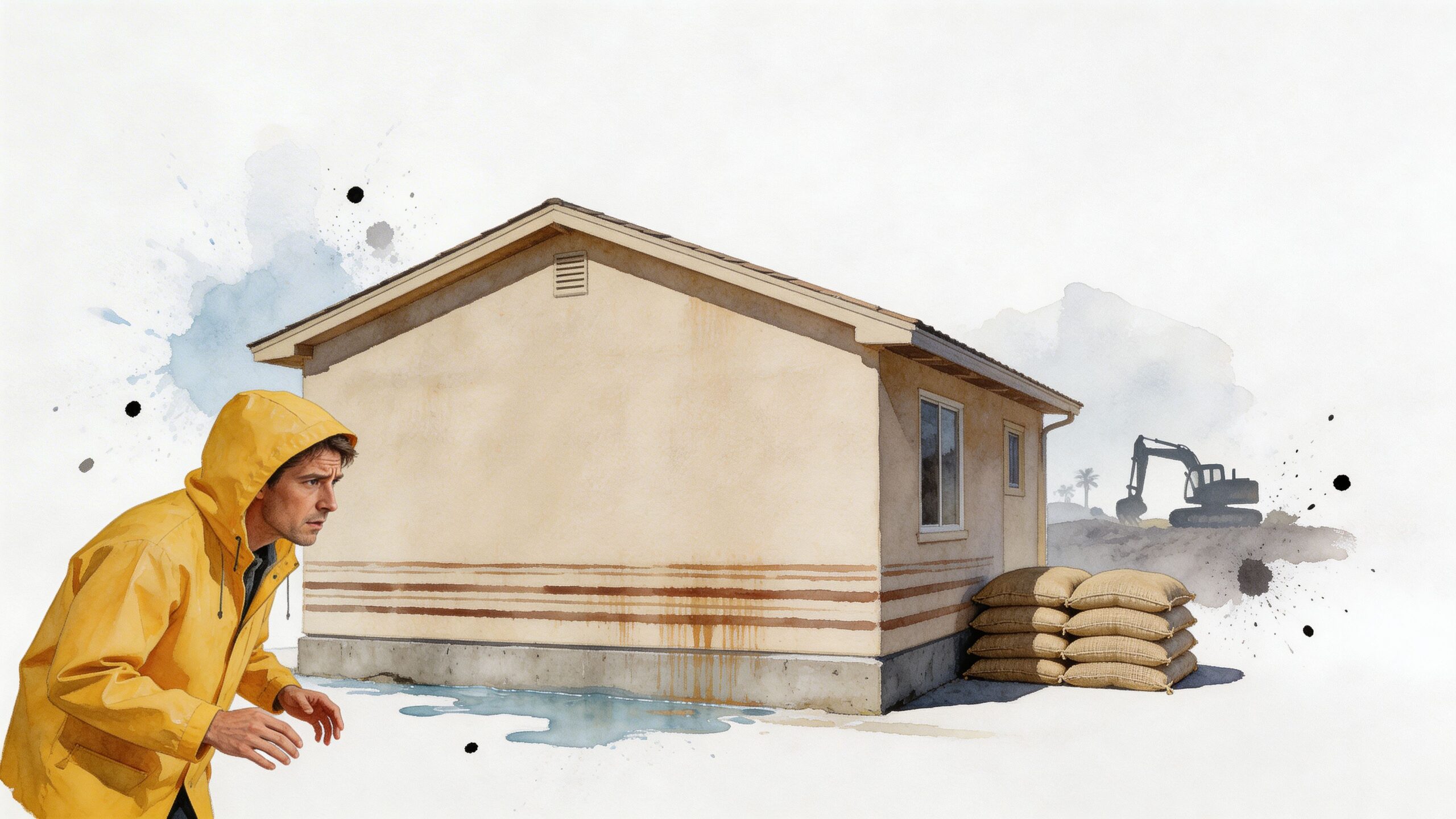
Repeat water intrusion increases structural risk, insurance complications, and long-term repair expenses. The real solution is to find and fix the site deficiencies that let water pool and cause damage in the first place.
How Extreme Weather Intensifies Local Flood Risk
The recent uptick in flooding across California properties isn't just a string of bad luck. It's a direct consequence of changing weather patterns. A warmer atmosphere holds more moisture—about 4% more for every 1°F increase in temperature [Environmental Defense Fund, 2024]. This leads to deluges that our older infrastructure was never built to handle.
This isn’t some far-off global problem; it’s hitting us right here at home. A rain shower that would have been normal a few decades ago now has the potential to turn into a destructive, localized downpour. This shift is turning flood cleanup from a rare headache into a regular, urgent need.
The Double Threat of Rain and Drought
It sounds backward, but California’s intense cycles of drought actually make flooding worse. Long, dry spells bake the soil solid, creating a hard crust that's almost as waterproof as pavement. When the rain comes, the ground can't soak it up.
Instead, that water sheets right off the hardened surface. A storm that the landscape could have easily absorbed in the past now creates massive runoff, overwhelming natural drainage and funneling water straight toward your home's foundation.
The link between our wild weather and frequent floods is undeniable. Between 1980 and 2026, the U.S. was hit by 403 separate billion-dollar weather and climate disasters, with the total cost rocketing past $3.1 trillion [NOAA, 2026].
What Are Atmospheric Rivers?
If you live in California, you've definitely heard the term "atmospheric river," and for good reason. These are massive, concentrated plumes of water vapor in the atmosphere that transport moisture from the tropics. When one of these systems makes landfall, it can unleash an unbelievable amount of rain.
A strong atmospheric river can carry a volume of water equal to the flow at the mouth of the Mississippi River [USGS, 2023]. When that aerial river slams into the coastal mountains of Sonoma County or Monterey County, the moisture is dumped on us, causing the record-breaking rainfall and widespread flooding that keep making headlines.
Why Old Assumptions No Longer Work
For decades, site development was based on historical weather data that treated rainfall as a relatively predictable event. Drainage systems and property grading were designed to handle what was once considered a "100-year storm." But these new, supercharged weather events are making those old calculations obsolete.
The hard truth is that the shift in extreme weather is changing flood cleanup demand because today’s storms are a different beast. Relying on outdated site planning is a recipe for disaster. Learn more about how new weather patterns are changing site planning forever in our detailed guide.
The Compounding Cost of a Cleanup-Only Strategy
After a flood, your first instinct is to get the water out. But just cleaning up the mess without fixing why it happened is a costly mistake—one we see homeowners make all too often.
Simply removing water and drying things out creates a dangerous and expensive cycle. Each new storm doesn’t just repeat the previous damage; it builds on it. This is the hidden financial trap of a cleanup-only approach.
The Cycle of Repeat Damage
Think of it like trying to fix a leaky pipe by just mopping the floor. You're addressing the effect, not the cause. When you only focus on cleanup, you leave your property completely exposed to the next storm.
Each flood will likely cost you more than the last one. Why? Because the original vulnerabilities were never fixed.
- Foundation Stress: When soil becomes saturated, it can cause your home’s foundation to shift, crack, or settle over time.
- Utility Damage: Constant moisture corrodes pipes and can short out electrical conduits, increasing the risk of a major utility failure.
- Landscape Erosion: With every flood, you lose valuable topsoil and landscaping, which destabilizes slopes and makes your property more flood-prone.
The weather patterns we used to rely on are gone. Today’s intense, localized storms are the new reality, as this graphic shows.
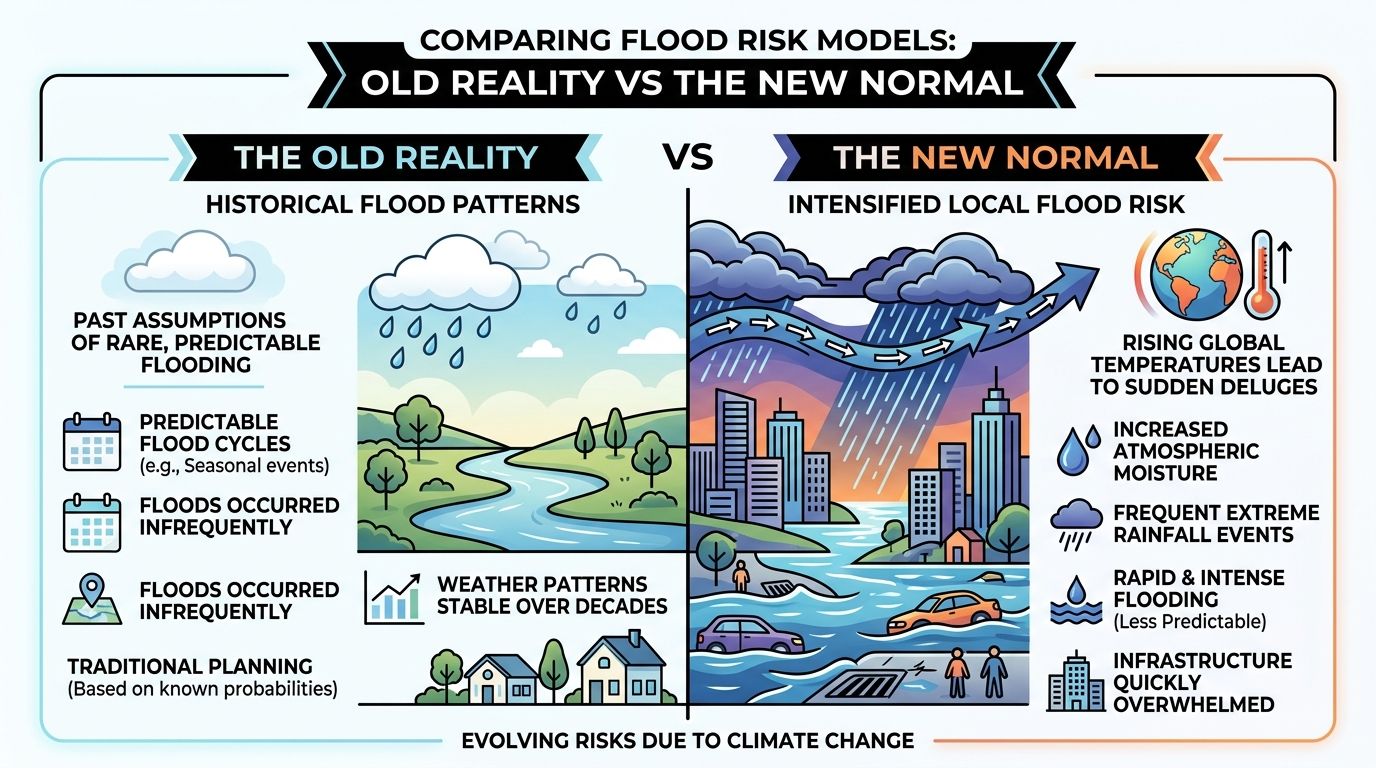
This shift from predictable rainfall to sudden deluges is exactly why old assumptions no longer work. A modern, resilient site strategy is now essential.
Cost Analysis: Reactive Cleanup vs Proactive Mitigation
The numbers don't lie. A reactive approach is a recurring expense, while proactive site work is a one-time investment that pays for itself. This table breaks down the true financial impact.
| Cost Factor | Reactive Cleanup Approach (Annual) | Proactive Mitigation Approach (One-Time & Long-Term) |
|---|---|---|
| Emergency Services | High, recurring costs for water extraction, drying, and debris removal. | Minimal to none. Properly graded sites manage water effectively. |
| Structural Repairs | Escalating costs for foundation cracks, wall damage, and utility line fixes. | One-time investment in grading and drainage prevents these issues. |
| Insurance Premiums | Premiums often increase after repeated claims. | Stable or potentially lower premiums due to reduced property risk. |
| Property Value | Decreases due to recurring flood risk and documented damage history. | Increases due to enhanced resilience and long-term structural integrity. |
| Landscaping | Repeated costs to replace eroded soil, plants, and hardscaping. | Minimal upkeep. Proper drainage preserves landscaping and prevents erosion. |
Ultimately, a proactive approach protects your property’s value and eliminates the financial and emotional stress of waiting for the next disaster.
From Unplanned Expense to Strategic Investment
The true cost of a reactive strategy isn't just what you pay for cleanup. It's the rising insurance premiums and the headache of complicated claims. Knowing how to file a flood insurance claim properly is crucial to protecting your finances.
Breaking this cycle requires seeing things differently. Proactive site work—like precision grading or modern drainage systems—isn't an expense. It's a powerful investment in your property's future that builds long-term mitigation.
The Solution: An Excavation-Led Approach to Prevention
If you’re a property owner in California, you know the drill: flood, cleanup, repeat. It’s an exhausting and expensive cycle. It’s time for a smarter approach—one that shifts from constantly cleaning up messes to preventing them with expert-led site correction.
A real, long-term solution starts with a professional site assessment. This shift makes site planning experts and excavation-informed contractors critical in the flood cleanup conversation. DW Excavation approaches flood-related damage with a prevention-first mindset.
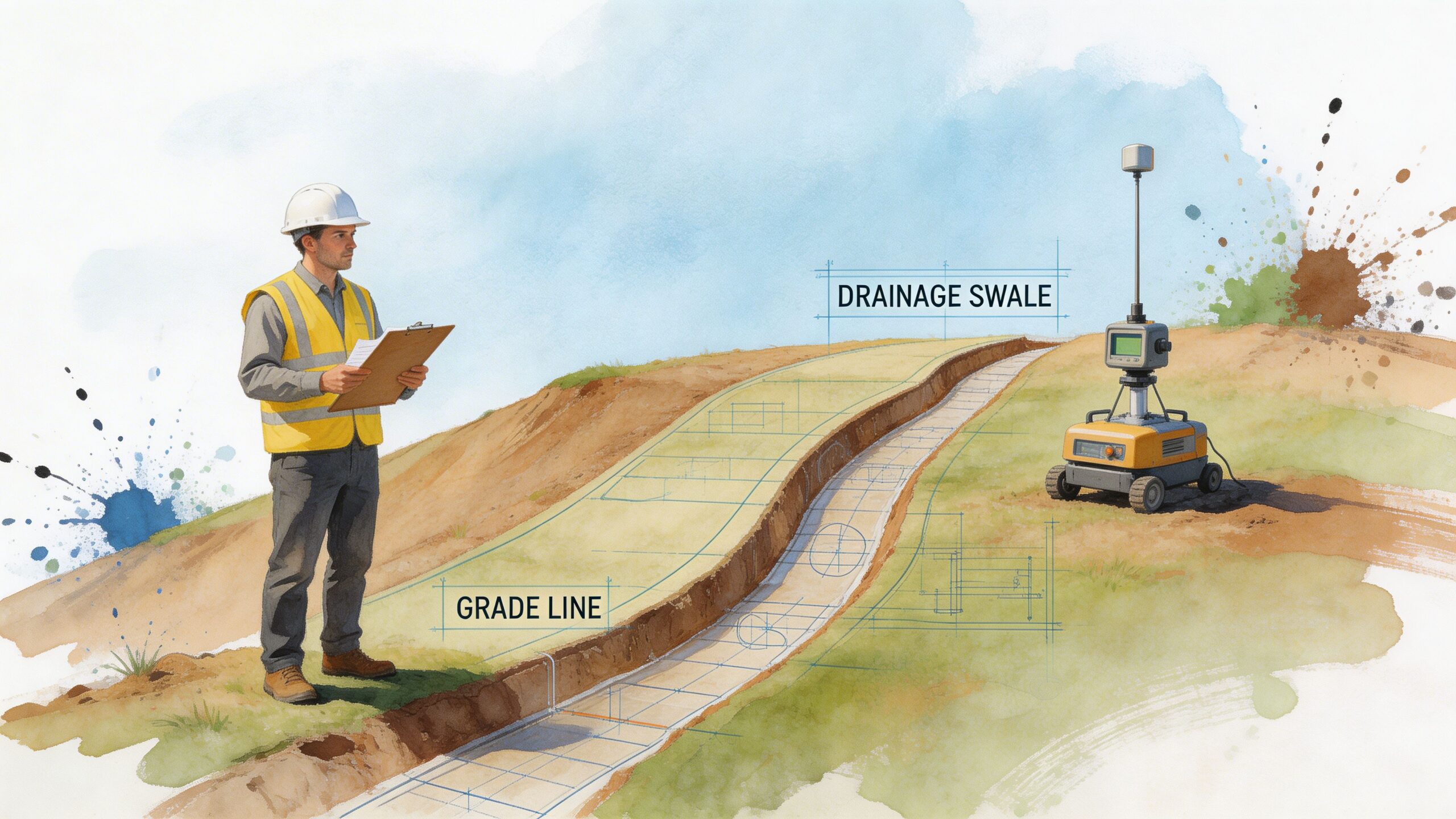
What We Look For In a Professional Site Assessment
Before a single shovel hits the ground, an excavation expert needs to diagnose the core issues. Think of it like a doctor figuring out the root cause of an illness before prescribing a cure. This first step is crucial.
Here’s what we evaluate on your property:
- Grading Slope and Direction: Is your land sloped to carry water away from your foundation, or is it accidentally funneling water right toward it?
- Water Flow Pathways: We trace the natural paths water wants to take across your land. This helps us spot where it pools, where it causes erosion, and where it just sits and stagnates.
- Soil Composition: Hardpan and heavy clay soils, common around Sonoma County, can act almost like concrete, leading to massive runoff.
- Existing Drainage: Are your French drains, swales, or pipes actually working? A single clog can make your entire drainage system useless.
Reshaping Your Land to Control Water
Once we have a clear diagnosis, we can shift our focus to strategic correction. This is where modern excavation becomes a precision tool for prevention.
The shift in extreme weather is changing flood cleanup demand by transforming excavation from a simple digging service into a critical preventative measure. That integrated excavation and engineering perspective ensures cleanup efforts are paired with long-term mitigation.
This engineering-first approach makes excavation your best line of defense. For example, using GPS-guided grading, our operators can sculpt the land to exact specifications. This ensures every inch of your property is working to direct water to a safe discharge point.
The Cost of Doing Nothing
The need for this proactive approach is growing right alongside the economic and human costs of these disasters. Globally, 24% more people live in flood zones than in the year 2000, and building in these vulnerable areas only increases the risk [Nature, 2021].
Here on California's Central Coast, the problem is even worse. Wildfire-scarred hills repel water, and expanding urban areas covered in pavement mean that flash floods can easily overwhelm older drainage systems. For a deeper dive into the fixes, check out our guide on drainage solutions for homes.
The Local Impact on Sonoma and Monterey County Properties
It's easy to think of changing weather as a global headline, but here on the ground, the effects are hitting home. In Sonoma County, Monterey County, and across the California Central Coast, seasonal heavy rains and changing climate patterns make flood risk a recurring concern.
That general forecast of "heavy rain" becomes a very real problem when an atmospheric river slams into our coastal hillsides and meets aging infrastructure.
Climate-driven weather is pushing flood risks into areas that were once considered safe. Research shows the number of people living in flood-prone areas worldwide has shot up by 24% since 2000—a rate 10 times higher than experts predicted [Nature, 2021]. You can read the full research on why floods are hitting more places to see the bigger picture.
Unique Regional Challenges
In Sonoma and Monterey Counties, we’re dealing with a perfect storm of factors that can turn a downpour into a destructive flood. Understanding what we're up against is the first step.
Here are the key challenges we face locally:
- Atmospheric River Runoff: Our coastal mountains force these massive "rivers in the sky" to dump incredible amounts of rain, quickly overwhelming old storm drains and natural creeks.
- Wildfire Burn Scars: Recent wildfires have left huge burn scars on hillsides. The fire-hardened soil repels water, creating fast-moving, destructive runoff filled with mud and debris.
- Hillside Development Risks: Many homes on the Central Coast are built on or near hills. If a property isn't graded correctly, these slopes can funnel water straight toward the building’s foundation.
It’s a frustrating story we hear all the time: your property was fine for 30 years, but now it floods with every big storm. That isn't just bad luck. It's a clear signal that your site’s original design can't keep up with California's new weather reality.
A Call for Proactive Assessment
If your property has experienced flooding, now is the time to evaluate whether grading, drainage, or underground infrastructure improvements can prevent the next cleanup event before it starts. The shift in extreme weather is changing flood cleanup demand from a reactive emergency call to a vital part of proactive property management.
Waiting for the next storm is a gamble. By getting a professional to evaluate your property's grading, drainage, and underground systems now, you can stop the next disaster. To understand what’s involved, you can check out our guide on residential excavation in Monterey and Santa Rosa.
The Benefit: Financial and Structural Payoffs of a Resilient Site
When you invest in proactive site work, you're not just preventing damage—you're getting a clear return. The biggest win? Financial predictability. Instead of reacting to one emergency after another, you’re making a smart, one-time upgrade to protect your property.
Property owners who move from reactive cleanup to strategic site correction reduce repeat damage and stabilize foundations. They are actively boosting their property’s value and security for the long haul.
Bolstering Your Property’s Structural Integrity
The structural advantages you get from a resilient site are deep and long-lasting. By taking control of how water moves across your land, professional grading and drainage work directly shields your most valuable assets.
- Stabilized Foundations: Proper site work is all about stopping water from pooling and saturating the soil around your foundation. This reduces the immense hydrostatic pressure that leads to foundation cracks and settling.
- Longer Lifespan for Pavement: When you direct water away from asphalt and concrete, you stop the erosion and water intrusion that cause cracks and potholes. Your driveways and parking areas will simply last longer.
- Protected Underground Utilities: Keeping the ground around your buried pipes stable and dry is key. It dramatically cuts down the risk of corrosion, joint failure, and costly breaks. You can learn more about the benefits of early pipe repair that California homeowners can't afford to miss.
Enhancing Property Value and Reducing Risk
The upsides of a flood-resilient site go far beyond just structural health, creating real, tangible financial wins. A property that is proven to stand up against our region's new weather patterns is a much more attractive and valuable asset.
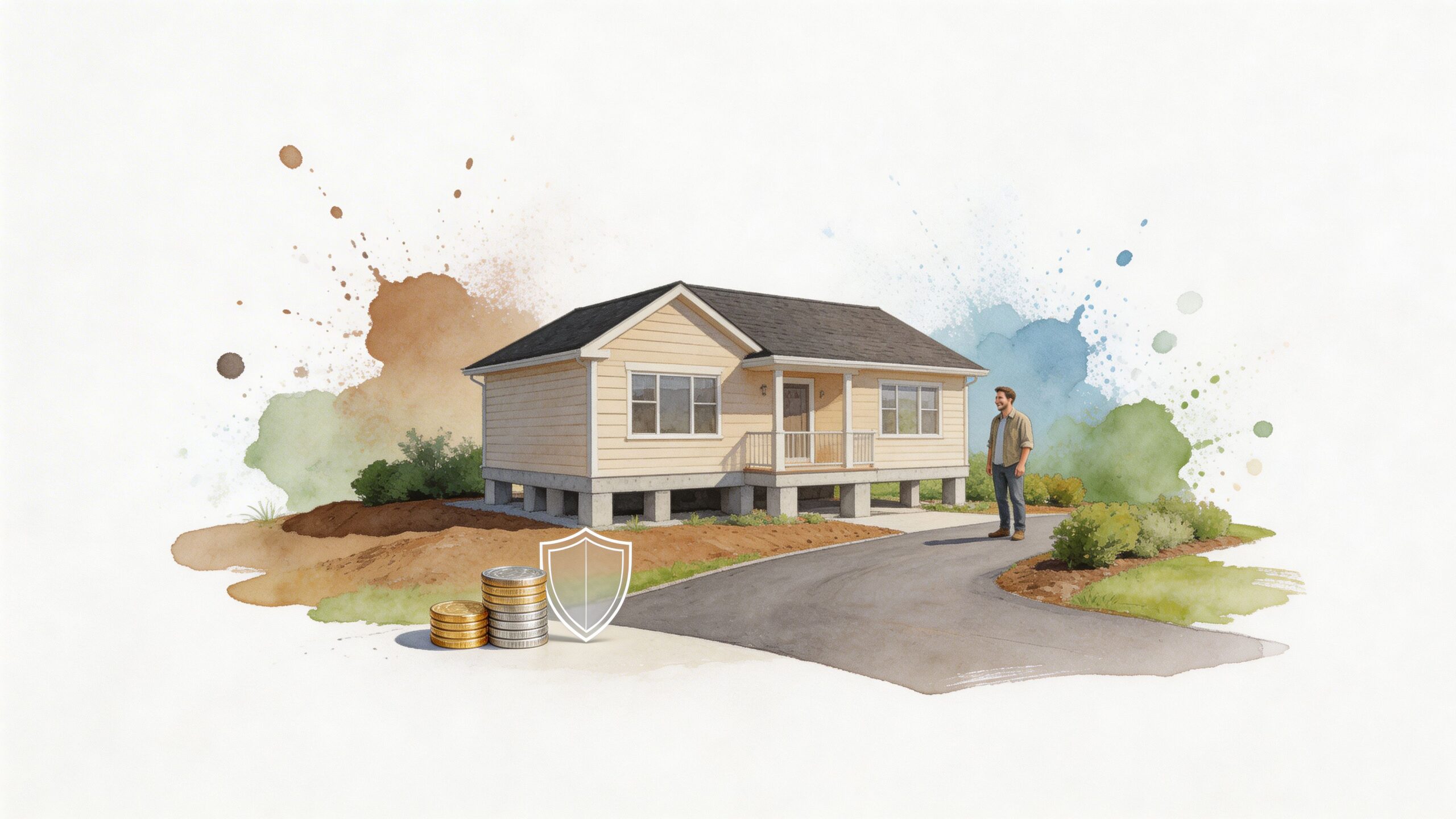
On top of a higher property value, some owners might even see their insurance premiums go down. When you take provable steps to mitigate known risks, you may be able to lock in more favorable terms. It’s a proactive move that can lower your long-term carrying costs.
Investing in strategic site correction isn't just another expense—it's a powerful upgrade. The return isn’t just structural — it’s financial predictability and reduced emergency spending.
This forward-thinking approach gives you something invaluable: the peace of mind that comes from knowing your investment is secure. It addresses the shift in extreme weather is changing flood cleanup demand by turning a challenge into an opportunity.
Frequently Asked Questions About Proactive Flood Prevention
With California's weather getting more intense, property managers are realizing that waiting for a flood is a losing game. Shifting from reactive cleanup to proactive site work is a smart move, but it brings up a lot of good questions. Here are straightforward answers to the questions we hear most often.
My Property Only Has Minor Pooling. Is A Big Excavation Project Really Necessary?
It’s easy to dismiss a little standing water, but even minor, recurring puddles are a serious red flag. That "minor" water is constantly saturating the soil around your home, and over time, that weakens its ability to support your foundation.
This slow-but-steady saturation can eventually lead to major structural damage, like cracked concrete or a settling foundation. Often, a small-scale grading tweak or a simple French drain is all it takes. An expert site assessment is the only way to know for sure.
How Do I Know If My Problem Is Site Grading or a Broken Underground Pipe?
This is a tough one because both can cause similar water problems. But there are a few telltale signs that can point you in the right direction.
Look for these clues to help identify the source:
- Grading Issues: Water consistently runs toward your house during a storm, or you notice soggy spots near the foundation. The problem is usually widespread and happens in direct response to rainfall.
- Broken Pipe Symptoms: You might find soggy patches on your lawn that won't dry out, even days after it rains. Other signs can be sinkholes, a sudden drop in water pressure, or an unexpectedly high water bill.
An experienced excavation contractor can use tools like non-invasive pipe cameras to diagnose the issue without tearing up your yard. This lets us find the exact cause without guesswork.
Is Extensive Excavation Work Disruptive to My Property in Sonoma County?
The word "excavation" often brings to mind a huge, messy construction site, but modern techniques are all about minimizing that disruption. As contractors who live and work in Sonoma County, we know how much you value your property.
We use advanced technology to make this happen. GPS-guided grading gives us surgical precision, which means we only move the dirt that absolutely has to be moved. For underground pipe issues, trenchless pipe repair often lets us fix broken lines with just a couple of small access points.
The shift in extreme weather is changing flood cleanup demand by pushing contractors to adopt less invasive, more strategic solutions. The focus is no longer on just digging, but on solving the problem with precision and minimal disruption.
What Is the Very First Step to Make My Property More Flood Resilient?
The single most important first step is a professional site consultation. An experienced excavation and site planning expert can walk your property with you, giving you the insight you need to protect it from the growing threat of extreme weather.
During this assessment, a professional will analyze how water moves across your land, check the existing drainage, and listen to your concerns. This isn't about guessing; it's about getting a clear, actionable plan tailored to your property’s unique weak spots.
Can Proper Grading and Drainage Really Help with The Atmospheric Rivers We Get in California?
Absolutely. While it’s true that no system can stop a truly historic storm, professional site work is designed specifically to handle the massive volume of water our atmospheric rivers deliver. The goal is to make your property as resilient as possible.
Properly engineered grading and drainage systems work together to create a clear, safe path for water to flow away from your home and foundation. This drastically reduces the risk of water getting inside or saturating the foundation. It’s about giving that water a designated place to go.
Are you ready to stop the cycle of cleanup and repair? The team at DW Excavation, LLC specializes in creating resilient properties with expert grading, drainage, and site planning solutions. Contact us today to schedule a site consultation and build a plan that protects your investment for the long term.